
TIPS FOR STAYING HEALTHY IN THE NEW YEAR
It’s the beginning of a new year and a fresh start so if you have not already, now is the time to set some new goals, specifically for your health. This past year was a tough one all around and most of us are feeling it physically just as much as we are mentally! While your goals should be specific to you and what works for your lifestyle the best, we have a few foundational tips that will help you eat well and live better as you step into 2021:
Eat Real
Yes, that bag of popcorn you snack on at work is not necessarily going to hurt you – but is it helping you? Processed foods come in all shapes and sizes (cereals, frozen meals, chips, reconstituted meats, etc.) but they all have one thing in common: they are empty calories, creating a foundation to feed disease in your body and not much else. Snacking is not necessarily a bad thing, but watch what you are snacking on because that is when processed foods tend to sneak themselves into your otherwise healthy diet.
Switch to Organic
Here at Clean Juice – organic is a necessity. Yes, it is expensive, does not always look as pretty, and takes some extra planning and effort, but the long term effects of eating organic and using organic products far outweigh any alternative options. Many health issues ranging from hormonal imbalances to diseases can be a result of the harmful pesticides and growth hormones used in non-organic meat and produce. It can be hard to get into the swing of a full-on organic diet and lifestyle, so start small and switch up some of your favorite fruits and vegetables for organic next time you buy groceries. Your body will thank you!
Give your digestion a break
Our digestive systems are much more sensitive than you would imagine. If you don’t chew your food enough it can cause inflammation, or if you stress too much and it can cause a leaky gut or gastroparesis – and when our digestion is off, our entire body is affected. Every now and then it is extremely helpful to give your gut a break and either practice intermittent fasting and stick to water for a few hours or opt for a protein smoothie or juice (organic of course). This allows your body to cleanse itself of any backup in your digestive tract while also supplying the energy it once used to break down food to target other issues such as acne!
Drink water
Of all the necessary elements, water is arguably the most essential. The list of positive side effects of drinking enough water is endless from glowing skin and healthy hair to stronger joints. Water is the essential building block of everything in our bodies and yet 80% of Americans claim to not be drinking enough. A simple way to drink enough water is to plan it out – carry a reusable water bottle with you throughout the day and plan to drink a certain number of ounces before bed. If you are having a hard time making yourself drink enough, putting a dash of organic, unsweetened fruit juice or lemon can help! Pretty soon your body will start to crave that water and it will be hard to go a day without having more than enough.
Practice alternatives
After attempting to give up my love of baking due to its negative effect on my health, I stumbled upon a recipe for paleo brownies. I decided to give it a try and was instantly hooked. Now, baking with healthy, whole ingredients is second nature – I will never go back! Similarly, finding alternatives to snacks or drinks you love is essential to a lasting healthy lifestyle. The good news is that there is an alternative to just about everything! Cravings are a natural human instinct and while the alternative may not taste identical to the real thing it can help satisfy those cravings in a nourishing way.

“Menopausal women have the ability to reduce their chance of breast cancer by 14% by walking 7 hours per week. That’s one hour per day.”
-Laura Renegar, Be Organic Podcast Ep. 47
This is a reassuring statistic. There are lots of ways we can reduce our risks and predispositions to diseases like Breast Cancer. We sought information from the experts – Dr. Chasse Bailey Dorton, oncologist, and Dr. Kat, a Thermography specialist. Family history and predispositions don’t have to be inevitable, so let’s talk about it.
Hormonal Signs
Let’s start with getting in tune with your body. Notice how your periods feel, whether your breast size changes, and whether some months seem to be heavier than others. When we are stressed, our bodies lean towards the hormone estrogen during our cycles, and when we are relaxed we lean more towards progesterone during our cycles. It’s something to take note of in your body but there is no need to freak out about it! Figure out what makes your periods feel more comfortable and that will ultimately help you find that hormonal balance. Lowering stress, moving your body, and eating nutritious foods are going to be the best place to start for getting your estrogen/progesterone levels under control. Here are some of the top fruits & vegetables to help balance your hormones: (1)
- Avocado – The healthy fats in avocados are the building blocks for important sex hormones like estrogen, progesterone, and testosterone. Filling your body with the healthy fat in avocados will give your body the fuel it needs to keep producing hormones.
- Fresh Berries – Vitamin C may help regulate your progesterone levels during the PMS phase of your cycle, and blueberries, strawberries, blackberries, and raspberries are all hormone balancing fruits packed with vitamin C. (2) It’s best to get your fill of these berries before your cycle starts, so we recommend The Berry Bowl or The Youthful One.
- Lignan-rich seeds – Seed cycling has helped many people balance their hormones naturally. Check out our short podcast episode on it here. Flax & pumpkin seeds contain lignans, compounds that may help stimulate estrogen production when you’re a little low and get rid of excess estrogen. (3) Get your pumpkin seed dose with The Fall Bowl & The Autumn Crisp Bowl – two stars of our seasonal Fall menu!
Self Checkup
It’s good to feel your breast tissue for any new developments, no matter how old you are. Being in tune with small changes, whether it be fibroids or something else, it’s always good to get it checked out as a proactive step. It’s important to be your own advocate and address it when something just feels “off”. Learn how to do a self-examination here.
Nutrition
We talk about it all the time, but the food you put in your body has the ability to literally change your DNA- aka epigenetics. What does this mean? Well, if you have diseases that have been passed down from generation to generation, you don’t have to be stuck with the same outcome. The foods we eat have the capabilities of signaling inside the cells, turning on and off different genes. I know we just simplified this concept a lot, but your food goes way past being “just macronutrients”. Make sure to get fruits and vegetables in every day – and if you hate eating them, try drinking them! Cold-pressing pounds of fresh produce into each Clean Juice bottle will deliver your body key nutrients, vitamins, and minerals. We also have our Greenoa greens & grains bowls that are sure to give you your daily dose of fresh leafy greens.
It is critical to make sure your fruits & vegetables are USDA-certified organic. They are sprayed with harmful pesticides and even after being washed, these pesticides remain and will be ingested when you eat non-organic produce. Filling your body with toxins and harmful pesticides will have adverse side effects, and choosing organic means you will have reduced exposure to synthetic pesticides, increased antioxidant levels, and a minimized chance of having heavy metal poisoning. One of the most common commercial pesticides, glyphosate (known by the brand name, Roundup) is classified by the International Agency for Research on Cancer as a probable human carcinogen. Experts warn that over time, repeated exposure to pesticides can lead to certain types of cancer. Looking for that USDA-organic seal when you shop and slowly switching over your household ingredients will help reduce your exposure to harmful pesticides.
Movement
We could talk all day about movement and its benefits, but one of the first things that come to mind is this quote, “stagnant pools breed disease.” This makes us think about our blood and lymph, two mechanisms that are used to excrete toxins out of the body. What happens when this fluid isn’t moved? It becomes stagnant and bad waste builds up. How do we get our lymph moving and toxins out? We workout out and sweat all those toxins out. So get that sweatband on and let’s move it!
Recent podcast guest, Lisa Gainsley, taught us all about lymphatic massaging and lymphatic contouring. Massaging your lymph nodes (the correct way!) starts to move the toxins out. As Laura Renegar said at the beginning of this blog post, just walking for 1 hour a day is enough to get you started on your path towards breast cancer prevention. A great way to get your steps in AND support breast cancer research & programs would be to join a Making Strides Against Breast Cancer walk in your town! Walking and meeting other men and women passionate about eradicating breast cancer will leave you with lasting memories.
(1) https://doctortaz.com/4-hormone-balancing-foods/
(2) Henmi, H., Endo, T., Kitajima, Y., Manase, K., Hata, H., & Kudo, R. (2003). Effects of ascorbic acid supplementation on serum progesterone levels in patients with a luteal phase defect. Fertility and sterility, 80(2), 459-461. https://www.fertstert.org/article/S0015-0282(03)00657-5/fulltext
(3) Aehle, E., Müller, U., Eklund, P. C., Willför, S. M., Sippl, W., & Dräger, B. (2011). Lignans as food constituents with estrogen and antiestrogen activity. Phytochemistry, 72(18), 2396-2405. https://www.ncbi.nlm.nih.gov/pubmed/21889775
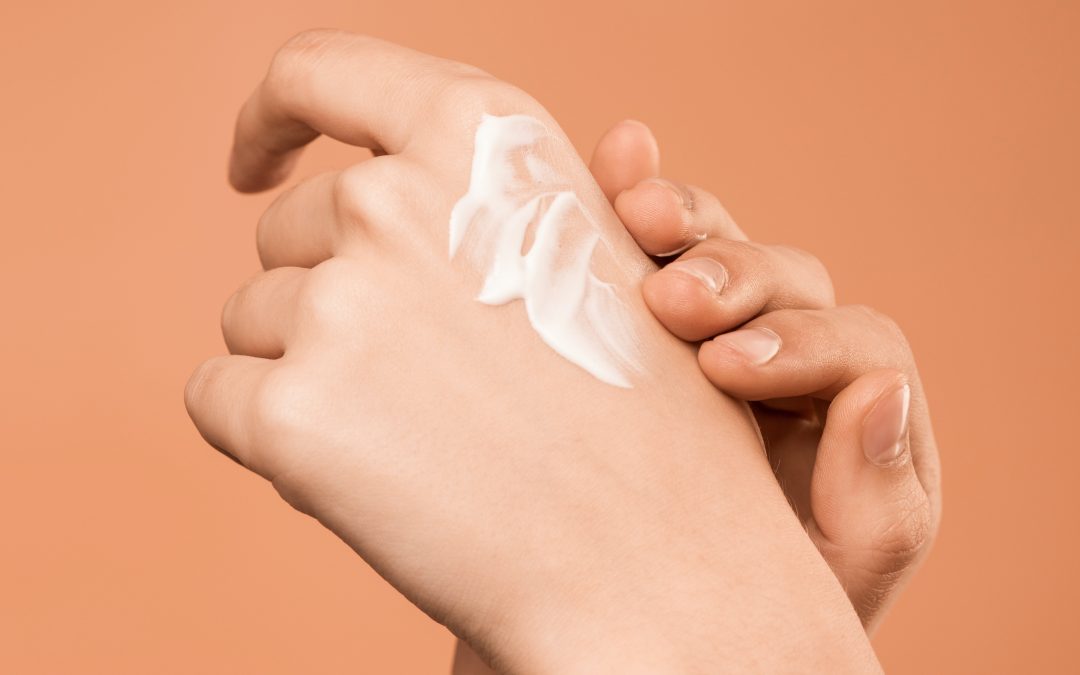
If you’re struggling with acne or inflammation like eczema, it’s time to treat these skin problems as a symptom, not a condition. Stomach inflammation, chronic body inflammation, gut imbalances, and oxidative stress (which is essentially free radical damage) are all huge contributors to skin problems. The skin microbiome is also a complex part of your body that you probably have not heard about. Even if you don’t struggle with chronic skin symptoms, there are ways that you can take care of your skin to keep your microbiome in balance. Let’s dive into this bacteria ecosystem and talk about ways to help your skin.
The Skin Microbiome
The skin has a very special environment for good bacteria to thrive while warding off bad bacteria and other pathogens. In the world we live in, it is very easy for the skin microbiome to become imbalanced and overrun with bad bacteria as well as inflammatory responses that cause the tough situation to become worse. The food we consume can also wreak havoc on the skin microbiome. Trying to find the balance in the skin after toxin overload, hormonal chaos, and inflammatory response can be more than just eating some carrots and drinking a glass of water.
Eating right will help keep your gut happy & ultimately your skin happy. Hydrating is an essential part of preventing acne or keeping your skin happy. Drinking water, lots of water, will help get rid of dead skin cells, transport antimicrobial proteins to the skin’s surface so that they can keep acne-causing bacteria in check, and keep the environment moist so that it can heal. Eating mineral-rich foods like dark leafy greens (spinach & kale), pumpkin seeds, avocados, and cacao. Don’t love eating pounds of spinach and kale? Drink them instead! Our cold-pressed juices are designed to deliver the minerals and nutrients you need in a convenient USDA-certified organic bottle.
Watching what you put on your skin is another way to lessen the absorption of chemicals that could lead to inflammation and trigger health problems. Take deodorant for example. A guest on our BeOrganic Podcast, Skyler Stein, talked about the harmful properties in traditional deodorant and antiperspirants.
“There are specific bacteria in armpits that cause body odor. When we use antiperspirants we are killing all of the bacteria in our armpits, all of the good and the bad. So we are completely burning down the forest every day that we use it.” -Skyler Stein
With deodorant, Skyler argues that not only is the bad bacteria being killed but the good along with it. When you go a few days without deodorant, that skin environment is more imbalanced than ever before, causing more odor, and then come full circle to you needing to apply deodorant once again (and maybe more throughout the day). It’s a feedback loop of the stinkiest kind.
ENDOLYSINS
Endolysins are superheroes when it comes to policing bad bacteria and creating more of the good in the skin microbiome. Skyler Stein, a recent BeOrganic Podcast guest, works with endolysin technology with his product Gladskin that essentially creates a healthy environment for the skin microbiome to flourish without the help of steroids, sulfates, alcohol, fragrance, parabens, or preservatives. Traditional skin treatments contain harsh chemicals and steroids that often strip your skin and don’t give it the chance to heal itself.
Endolysins have the unique ability to break through foreign pathogen cell walls and represent alternatives to conventional antibiotics. They also have something called “host specificity” meaning that they can effectively target the pathogen causing distress in your body, so they work more focused without the contraindications that some antibiotics can have. Even better yet, endolysins are naturally occurring all over the globe – experts are just now learning how to use endolysin technologies. Pretty cool right? If you like science, here’s a link on endolysins’ efficacy in treating Staph infections. These endolysins are powerful healing agents for skin conditions that extend beyond acne and have been particularly useful in healing eczema.
Want to learn more about the skin microbiome and Endolysins? Check out our BeOrganic podcast episode with Skyler Stein here!

There are many forms of fasting. From water fasting, intermittent fasting, and even something called “fast mimicking diet,” there are lots of options to choose from if you are searching for a new way of eating that works for your body. One of the ‘buzz words’ that you have probably heard flying around in the last year or two is intermittent fasting. What is it? Why are people swearing by it? What other fasting options are out there? Let’s dive in and see if we can answer some of your questions about fasting!
Intermittent Fasting
This popular fasting technique is cycling through periods of eating and periods of fasting. The beginner level is a 12 hour fast where you eat for 12 hours out of the day and fast for the other 12. Basically, that’s like not eating a snack after dinner. Most people choose to do the next level, where they consume their meals within an 8-hour window and fast for the remaining 16 hours (commonly named the 16/8 method). Many people choose to skip breakfast and eat from 1-9 pm.
Intermittent fasting is very easy for people to manage, seeing as though they could skip breakfast naturally without even noticing. The benefits of fasting include something called “cellular autophagy” where the body has a break from metabolizing and is able to repair other regions, getting rid of old cells it no longer needs. This is why we see such benefits, like for example in our gut, in such a short period of time- because we have not necessarily cut calories, but instead have just expanded the window of time in which the body can heal itself. You are also more likely to cut down on the number of calories that you are consuming, which could result in weight loss. It is very important to listen to your body and find what works best for you! Try it for 3-4 days and give your body time to adjust to the new pattern. You might feel yourself having more energy, sleeping better at night, or losing a few pounds.
The Circadian Code
Our recent guest on the Be Organic podcast, Tyler Jean, talked all about The Circadian Code and what this diet & sleep schedule is. The Circadian Code is based on the theory that we should be timing our diet and sleep with nature. We eat in the twelve hours it is light outside, and we fast for the 12 hours it is dark. It’s also important to try to sync this with sleep, going to bed when it gets dark. This allows your internal body clock to sync externally with the elements of nature and thus will begin to rebalance hormones. It should feel pretty natural and the idea is to consume a large breakfast and lunch, with a smaller dinner. This is an ancient practice that is being brought back to the table once again, showing that nature always knows best.
Water Fasting
Water fasting is an intense way to reset your body, but it comes with some serious health risks if you are not careful. Most water fasts last for 24-72 hours and should not go any longer without medical supervision. The main reasons why people start a water fast is to promote autophagy (a process that breaks down and recycles potentially dangerous parts of your cells) or to lose weight fast (even though this weight loss could come from water weight, carbs, or even muscle mass).
Juice Fasting
Drinking fruit & vegetables that have been cold-pressed in-house should almost not even be considered a fast since your body is still receiving macro and micronutrients and minimal fiber so that your digestive system is still stimulated. Doing a water fast, where the water has been stripped of all vitamins & minerals, your gastrointestinal tract is really put on hold. Doing a juice cleanse is a more safe option for resetting your body. Not only are you getting the rest your body needs from digesting physical food, but you are also flooding your body with valuable nutrients and minerals that you would not be able to get normally by eating pounds of produce. Of course when you are cleansing it is critical to make sure it is a USDA-certified organic juice cleanse. When doing our juice cleanse, you can drink more than 15 pounds of produce each day. That is A LOT of fruits and veggies. And if this produce is conventional and non-organic, you are essentially flooding your body with pesticides, possibly even to a toxic level, making for a very ineffective and perhaps even detrimental cleanse. So give your body the best juice cleanse available by making a certified organic juice cleanse from Clean Juice. Want to learn more about juice cleansing? Visit our cleanse page or call your local store, we can answer any questions you make have.
Fast Mimicking Diet®
Tyler Jean also mentioned in his episode of the Be Organic Podcast that the Fast Mimicking Diet® was working well for him. This diet was created by Dr. Valter Longo, an Italian biologist, and researcher. This diet is a five-day pre-packaged meal kit that is full of meals and snacks that are whole-food derived and plant-based designed to ‘go undetected by cellular food sensing paths’ to keep the body in fasting mode. If you don’t want to pay for a pre-packaged meal kit you can do it yourself! There are plenty of bloggers who have done the hard work for you and give their recommendation for keeping your body in “fasting mode” while still eating.

Every system in your body is uniquely connected, but did you ever think that your teeth could be connected to your heart health, joint pain, or gut health? Not only can your teeth and gums tell you a lot about what is going on in your body, but they can also be causing some of those problems. Let’s dive into some common topics about oral health & how it relates to overall wellness!
The Gut/Oral Health Link
According to Dr. Blodgett, a recent guest on the Be Organic podcast, gut health begins in the mouth. Oral bacteria spreading throughout the body is a common occurrence, and the gut is no exception. A lot of things go down the GI tract from our mouths are unhealthy, and the oral microbiome fights hard to shield us from harmful bacteria.
Some signs from your mouth that your gut health might be off:
- Acid reflux takes a toll on your teeth (the acid can melt teeth, especially the back molars)
- Sleep apnea or sleep disturbances can lead to mouth breathing and the saliva dries up, no longer protecting gums and teeth (flattened, red gums)
Wisdom Teeth
We’ve probably all had our wisdom teeth removed at this point, but did you know that 50-70% of removal sites become infected, sometimes without people even knowing? This infection and inflammation of the removal site can lead to problems elsewhere in your body. In holistic medicine and holistic dentistry, practitioners are studying the Meridian Tooth Chart and seeing that each tooth has a unique connection to other organs and tissues of the body. For example, Dr. Blodgett discussed with us the connection wisdom teeth have to heart health! He said that plaque build-up within the arterial walls parallels with plaque build-up on the teeth. There is a similar bacterial exposure in both situations. Want to read more about the heart-tooth connection? Check out the book Beat the Heart Attack Gene by Bradley Bale and Amy Doneen.
Respiratory Diseases
Your oral care and the state of your mouth and gums have a correlation between fighting off respiratory diseases. We are meant to breathe primarily through our nose, using the nasal passages to regulate air, heat air, humidify or de-humidify air, and much more before it ever reaches your lungs. If breathing through your mouth, your nasal passaged can’t do their jobs and you are more susceptible to respiratory problems!
Mercery vapor could also be coming off of your old fillings and when you breathe at night you are breathing in mercery vapor and could create a chronic state of inflammation. If you’re inflamed you’re more prone to other diseases from the lungs!
Not only is the state of your oral health reflective of the state of your systematic health but it influences it directly. The quality of your food matters, your chewing matters, and your breathing matters.
“If we want people to have great oral health we have to have great nutritional health, great breathing work.”
– Dr. Blodgett
Listen and learn more about these topics on Episode 34 of the Be Organic Podcast!
Ready to get your oral health on? Check out some of these cool products we love:Dr. Bronner’s organic peppermint toothpasteConventional toothpaste is often packed with chemicals, preservatives, artificial colors and flavors. If you’re going to eat and drink clean, make sure you brush clean too! Organic toothpaste with no synthetic foaming agents & only simple clean ingredients is the way to go.Tongue scraperIf you don’t use a tongue scraper, it’s time to start! Clean the surface level or particles that contain bad bacteria. Less bad bacteria can help freshen breath, lessen the likelihood of tooth decay, and the bad bacteria is less likely to travel to your gut and throw off your gut health!Charcoal bamboo toothbrushBrush your teeth and make an impact at the same time! Using an organic bamboo toothbrush means that you can scrub away (with soft bristles that protect your teeth) and rest assured that your toothbrush is eco-friendly and biodegradable.Organic coconut pulling oilBye-bye traditional mouthwash! Say hello to this non-GMO, alcohol-free, fluoride-free, preservative-free, & artificial flavor-free pulling oil. This process helps swish away bad bacteria from your mouth without the harsh chemicals and artificial colors and dyes that traditional mouthwash has!

Ready to start buying organic but don’t know how to make the switch? Start small! No need to throw out your entire refrigerator. Here are our favorite tips for buying organic:
- Buy in season! Fruits and vegetables are cheapest and freshest when they are in season. Find out when produce is delivered to your market so you’re buying the freshest food possible. To find farmers’ markets, organic farms, and grocery co-ops in your area, check out Local Harvest.
- Organic doesn’t always equal healthy. Making junk food sound healthy is common in the food industry but organic baked goods, desserts, and snacks are usually still very high in sugar, salt, fat, or calories. It pays to read food labels carefully!
- Grow your own! If you’ve got extra time on your hands at home, try your hand at gardening. By growing your own organic veggies you can save money and appreciate putting fresh produce on your table.
- Start with The Dirty Dozen. Here are the top pesticide-laden fruits and veggies from EWG’s 2020 list. Try to buy these USDA-certified organic if possible:
- Strawberries
- Spinach
- Kale
- Nectarines
- Apples
- Grapes
- Peaches
- Cherries
- Pears
- Tomatoes
- Celery
- Potatoes
And of course, visit your local Clean Juice and let us do all of the heavy lifting for you. We source our USDA-certified organic ingredients for you, so you don’t have to plant a garden to get your greens in. Smoothies, juices, acai bowls, and wraps – we’ve got you covered!

Clean Juice is the first USDA-certified organic juice bar franchise in the country. What does that mean? Is being certified organic really better for you? Is it more than just a seal?
Organic produce is healthier, safer, and more sustainable than foods grown in conventional farming practices. Clean Juice only uses USDA-certified organic ingredients. Other juice bars may only use limited organic ingredients or no organic ingredients at all. But our commitment is to the highest quality nutrition possible, which you can only get with certified-organic fruits and vegetables.
We firmly believe that organic isn’t just a trend, it’s a return to tradition. Pure food, grown as it should be, and improving people’s lives one bite at a time.
Let’s talk farmers
Organic farmers have to go through a rigorous process to become USDA-certified organic. In order to become certified, farms have to prove their produce and farming methods are organic. An inspection may include:
- Checking out neighboring land
- Inspecting powerlines and make sure they are not sprayed for weeds
- Monitoring erosion prevention
- Inspecting irrigation sources
- Looking closely at the farmer’s barn, shop, wash station, field equipment, field hours, lumber, seeds, and more.
Organic farming is also healthier for farmers. Fruits & vegetables that are being farmed organically do not use harmful chemicals and pesticides, instead they use organic fertilizers and natural pest deterrents. Their work can thrive without putting their health and the health of their communities at risk!
Let’s talk logistics
Farming without the harsh pesticides- how does that work? Farmers typically use three lines of defense against pests and disease:
- The first line of defense is managing weeds, insects, and diseases by having a well-designed and healthy organic system that will naturally have fewer pest problems (through crop rotation, intercropping, and resistant varieties).
- The second line of defense is to use mechanical and physical practices (like burning crop residues, mulching, or introducing insect predators) and non-synthetic and natural materials.
- The final line of defense against pest control if all other options are in-effective is to use biologicals and botanicals to control pests. Botanicals are derived from plants that contain unique bug-repelling properties and biologicals are animal properties like pheromones that naturally deter pests.
Let’s talk environment
The chemicals involved in conventional farming practices usually end up eliminating important complementary species from farms, throwing off the balance of the local ecosystem. Chemicals and harmful pesticides can also leech into the soil and water, contaminating plant, and animal life. Organic methods are good for biodiversity, ecosystems, and the environment — and choosing organic means supporting these alternative means of production!
Organic agriculture has been based on the principle of sustainability since its beginning.This means that many farmers add organic matter & soil microbes that will naturally increase over time and create rich healthy soil that will help their crops better fight off drought, diseases, and insects. Happy soil = no need for harmful pesticides!
Let’s talk health
Choosing organic means that you are exposed to less harmful pesticides than in a conventional diet. Studies have linked pesticides to a variety of negative health problems (headaches, cancer, birth defects, and more) and a report by the National Academy of Sciences shows that even low-level pesticide exposure can still be significantly toxic to children.
Did you know that organic food may also have a higher nutrient content than conventional food?
With no harmful pesticides and fertilizers, plants boost their production of phytochemicals that strengthen their resistance to bugs and weeds. Why do we phytochemicals? Because they are the vitamins & antioxidants that our body needs!
Here are some of the top benefits of organic food for your health:
- Reduced exposure to synthetic pesticides: Non-organic food undergoes multiple rounds of pesticide application to kill pests and parasites that would otherwise damage the food. One of the most common commercial pesticides, glyphosate (known by the brand name, Roundup) is classified by the International Agency for Research on Cancer as a probable human carcinogen. Experts warn that over time, repeated exposure to pesticides can lead to certain types of cancer.Even after washing food, there’s still a risk of ingesting leftover pesticide residue and of the chemicals themselves affecting the integrity of the food. Over time, this exposure to pesticides may slowly erode our health and prevent us from getting the fullest nutrition we require. Eating organic foods and drinking organic fruits and vegetables reduces or eliminates this risk. Certified-organic foods don’t have any synthetic pesticides applied to them—only natural pest-prevention measures that are organic-approved.
- Increased antioxidant levels: Antioxidants from food sources help to reverse the effects of oxidative stress, which causes cellular damage and speeds up the aging process. Eating foods rich in antioxidants is one of the best ways to help protect your body. Research has found that organic farming practices preserve the concentration of antioxidants in crops compared to non-organic farming practices. A 2017 study concluded that organic onions had higher concentrations of antioxidants than non-organic onions (likely due to better soil management practices in organic farming compared to non-organic farming). Now we don’t use onions in our cold-pressed juices, but we do use organic produce that has these same organic farming practices! Antioxidant-rich ingredients are a fundamental component of our cold-pressed juices. Because all our juices are made from certified-organic ingredients, you can rest assured that you’re getting the highest concentration of antioxidant nutrients possible from all of our cold-pressed juices, cleanses, or any menu item.
- Minimized heavy metal poisoning: Non-organic foods put consumers at risk of heavy metal poisoning. When we eat plants and other crops that contain heavy metals, we can absorb them into our bodies where they accumulate in our livers and kidneys. In 2014, the British Journal of Nutrition published a meta-analysis that looked at nearly 20 years’ worth of studies on organic foods and found that organic foods had 48% less cadmium (toxic heavy metal) concentration than non-organic foods. This is important because reducing our exposure to heavy metals as much as possible is essential for lowering and preventing toxicity in your body. By eating certified-organic foods, you can take steps to prevent heavy metal accumulation and protect your long-term health. Bye bye toxins!

We all grew up with our parents, grandparents and teachers preaching the “be nice to others” card -no hitting, give back, share, say please and thank you -but who taught us how to be nice to our bodies? Did our elders intentionally neglect to teach us the importance of health and wellness? Likely no, they were never taught themselves because they lived in a generation where food was natural and remedies were made at home – not by a manufacturer adding a bunch of chemicals into products.
So yes, we need to start being kind to our bodies. Longevity starts with a healthy body and a healthy mind.
Detoxify Your Brain
Let’s take it from the top. Be kind to your brain. Try not to let the small things overwhelm you so easily and try not to let stress become chronic. Remove toxic people and relationships in your life and focus on self-care and controlling your stressors.
Did you know that chronic stress increases the amount of cortisol in our adrenal glands, which can lead to hormonal imbalances; low energy and thyroids; decreased immunity; increased blood pressure, inflammation and depression; and weight gain? Terrifying right?
Chris Johnson, author of On Target Living, wrote: “All too often people lose their health to make money, and then lose their money to try and get back their health.” What a sobering reality.
Self-care is the most powerful tool you can use towards taking care of your mind and decreasing your stress. Ask yourself these questions: Do I take time for myself on a regular basis? What do I enjoy doing? What did I used to enjoy that I am not doing currently? Why did I stop doing that? What can I do to make time for myself?
Jump start your own self-care with these ideas.
- Write in a journal -write your disappointments and frustrations and, more importantly, your goals towards becoming a happier and healthier person, mentally and/or physically.
- Organize your days (planners/agendas are fun) to make time for you and your goals. Organization makes me excited for the day…I feel useful and accomplished. If you ever feel you look at your to-do list and have too much to do, become overwhelmed and frustrated, make sure to delegate and/or scale back. Don’t be afraid to say no…you can’t do it all!
- Relaxation: yoga and stretching; music; warm baths; reading with a cup of tea; spa (facial, massage, manicure/pedicure).
- Re-live your old hobbies (crafting, painting, scrapbooking, sewing, running).
- Plan: meal plan; meal prep
- Exercise and listen to music (while walking/exercising).
- And don’t exercise! Take a day off and let your body rest and restore itself.
Detoxify Your Body
Remove as many toxins going into and onto your body as quickly as possible
Did you know plastic can cause direct toxicity? Let’s begin with removing the plastic in your life not only for you but for the environment: plastic zip locks, bags, water bottles, wrap, straws, Tupperware, wrappers/store bought food items, baby toys. Instead, purchase stainless steel straws, silicone zip lock baggies, beeswax wrap, a re-usable water bottle, bring your own cloth bags to the grocery store, wood/silicone toys, glass/silicone Tupperware containers as well as purchasing food in glass or metal jars.
Next, let’s look at what you’re eating. Remove products with ingredients on the label you can’t pronounce. Food labels should have short ingredient lists and be full of real, whole food items. Make it easier on yourself by enjoying more home cooked meals and eating more foods in your diet without food labels (produce/whole foods).
Just like food, make sure you are buying skin care products with the least amount of ingredients that include the most natural products. Have you ever looked at the ingredients of dry shampoo or face wash? Heavy metals (mercury, lead, arsenic, cardimum) can make their way into cosmetics through clays, minerals and colorants; be careful as these are toxins that can increase risk of cancer and/or organ damage.
Now, don’t forget to sleep! Sleep enhances your performance mentally and physically; rejuvenates and restores our cells, muscles and hormones; increases your energy; and encourages weight stabilization/loss. Did you know melatonin is inhibited when we are in the sun or in front of a blue screen and it tricks our brain into thinking it’s still day time? Time to drop that phone before bed especially if you are having trouble falling asleep at night. If you feel you experience plenty of screen time each day (job, TV, social media), I would highly recommend purchasing blue light blue screen glasses. I use Pixel glasses.
Finally, your legs, butt and feet…”get up off of that thang and let me see you move it”. The importance of exercise cannot be overstated. Our bodies were not made to live a sedentary lifestyle; however, most of us do. Don’t be afraid to ask your employer for a standing desk (if possible) or bring in a large medicine ball to sit on at work instead of a chair.
Detoxify Your Home
Remove the in-house toxins (candles, plug ins, air fresheners, etc.). These smell good items are filled with artificial fragrances that release volatile organic compounds (VOCs) and can not only ruin our air quality, but can damage our organs by entering through our cardiovascular (heart) system, endocrine (hormone) system and respiratory (lung) system. The chemicals from our cozy scents are overwhelming the air in our homes, which then interact with ozone compounds and make secondary pollutants. Essentially you are destroying not only your health but your children’s, animal’s, spouse’s, and friend’s and family’s health as well.
I truly believe this is the start of a new era of wellness and we should all be instilling this concept in our brains. This is a big, healthy step away from the conventional mode of health: fix me (typically with pharmaceuticals). If any of you are in need of a chiropractor, acupuncturist, nutritionist or massage therapist please, don’t hesitate to reach out to me as I will be able to help you start/follow through with your functional medicine journey!

Jordan Hostetler
Registered Dietitian and Licensed Dietitian Nutritionist who owns a blog where she encourages others to live their happiest and healthiest life through nutrition tips, recipes, and education.
Beautifull Profit Blog
Beautifull Profit Instagram

I recently purchased a coffee table from Charlotte-based artisan Janine Bithell of Rosewood Co and two original paintings by Leslie Poteet Busker, a Charlotte-based artist.
I initiated both of these transactions on Instagram separately, but I wound up picking up the two purchases on the same rainy Thursday morning.
There was something so refreshing about seeing these ladies in their workspaces. Leslie’s studio is a room in her home with beautiful light. When I arrived, I was greeted by Leslie in her signature poppy-colored lipstick. She had a fire lit and offered me coffee. While I wasn’t able to sit and visit (and boy did I want to), the experience warmed my heart.


To purchase artwork for my interior design projects, I’m usually running in and out of stores and boutiques in a way that is so much less personable. This ability to interact with the artist directly and support someone in my community, felt just like that – a warm cup of coffee on a cold rainy day.
Meeting Janine was equally as sweet. She told me her studio was her parents’ garage and welcomed me with a sincere smile and a warm hug. We chatted for a moment and she helped me load my beautiful new herringbone table into the back of my LandRover. Our interaction was brief, but I love the story that now goes along with my table. Meeting the woman behind the beautiful Instagram photos was an unexpected gift. Also, I learned, with every purchase made, the first 11 percent goes straight to a local charity to help those in need – another unexpected gift.
Meeting both of these sweet ladies affirmed my commitment to supporting local small business whenever I can. And so I encourage you to consider: “Who are the local artisans in my neighborhood?” Perhaps a warm cup of coffee and an unexpected gift lie in wait just around the corner.
——
Deena Knight is an Interior Designer based in Charlotte, NC who loves sharing design, style, and life on her Instagram. To view her portfolio, you can visit her website here.