Tiny Tummies, Mighty Nutrition – Kids’ Snack Guide
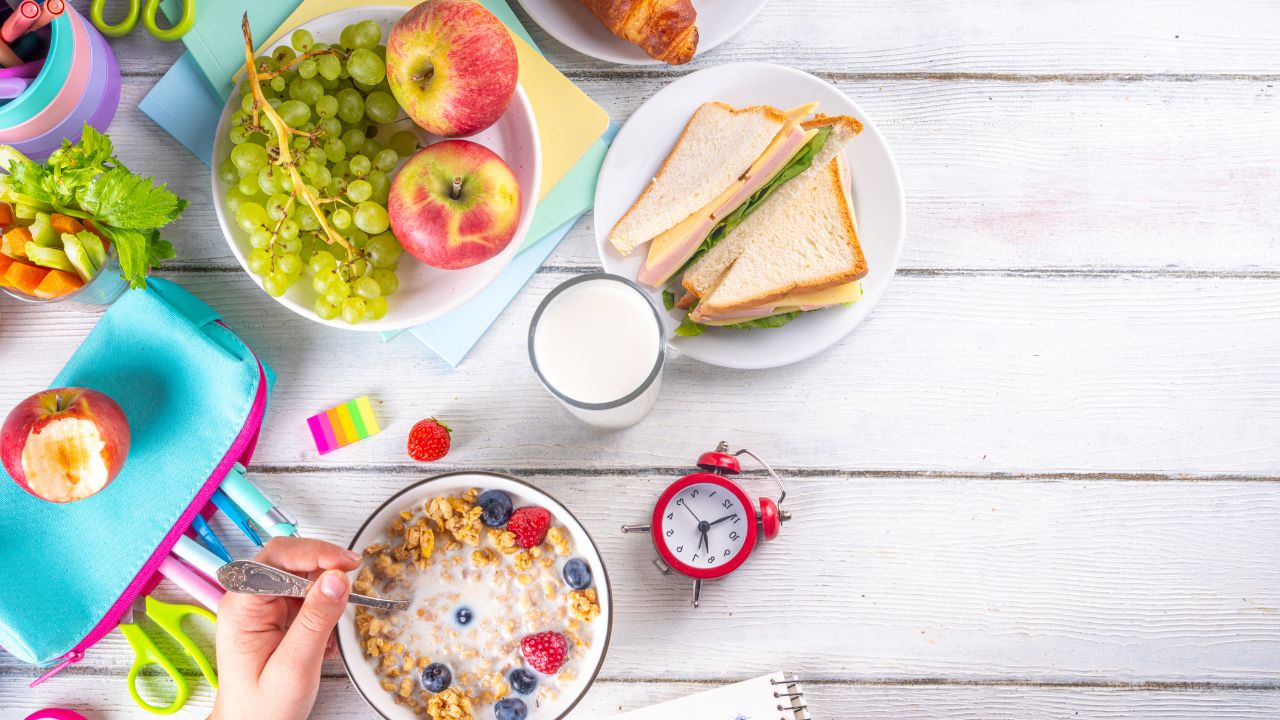
Snack time is a cherished ritual for children, but it’s also an opportunity to shape their relationship with food from an early age. By prioritizing healthy snack options, we can cultivate a love for nutritious ingredients and flavors that will serve them well throughout their lives.
Nutrient-dense treats not only satisfy their cravings but also provide essential vitamins, minerals, and energy to fuel their boundless curiosity and active lifestyles. Moreover, exposing children to healthy foods can help expand their palate and encourage them to develop a diverse and balanced diet, setting the foundation for lifelong health and well-being.(1)
Table of contents:
- The State of Kid’s Nutrition Today
- Essential nutrients for kids include: (5)
- Tips for Encouraging Healthy Eating Habits
The State of Kid’s Nutrition Today
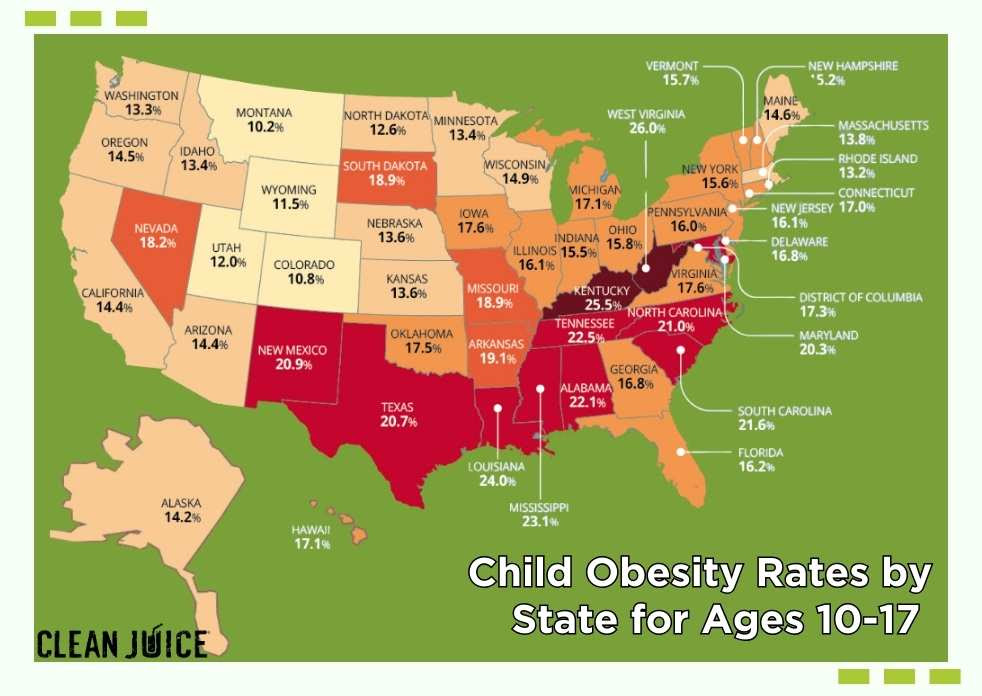
The current state of children’s health in the United States is concerning, with rising rates of obesity, diabetes, and excess consumption of sugars and unhealthy fats. This alarming trend is closely linked to poor dietary habits, including the overconsumption of processed foods high in added sugars and unhealthy fats. (2) Consequently, an increasing number of children are being diagnosed with type 2 diabetes, a condition that was once considered an adult-onset disease.
These nutrition-related issues not only impact children’s physical health but also their mental well-being and overall quality of life. (3) We understand that it’s not always easy to feed our kids healthy foods all the time, especially while on the go, but whenever possible, we try and keep in mind just how important a balanced nutrition is to growing, healthy children.
Why do kids need balanced nutrition?
Little ones are constantly active, their bodies and minds developing at a rapid pace. This non-stop growth requires steady, balanced nutrition as fuel. Providing a well-rounded diet builds strong bones, muscles and cognitive abilities during these formative years. Establishing wise eating habits early also yields lifelong benefits. Proper childhood nutrition reduces risks of chronic issues like heart disease, diabetes and obesity later on. (4) Beyond disease prevention, balanced eating allows kids to feel energized and fully embrace all the joys of youth.
Nutrients Kids’ snack must include: (5)
1. Protein for muscle growth, hormone production, and immune function. Lean proteins like Greek yogurt, eggs, hummus, almond butter and other nut butters make for energizing snacks.
2. Complex carbohydrates from whole grains, fruits and vegetables provide lasting energy while offering fiber, vitamins and antioxidants to support overall health.
3. Healthy fats found in avocados, seeds and nuts promote brain development and help absorb fat-soluble vitamins. Just watch portion sizes.
4. Calcium from dairy products builds strong bones and teeth as kids grow. Cheese, yogurt and milk are great sources during snack time.
5. Iron helps transport oxygen in the blood to muscles and the brain for energy and focus. Kid-friendly iron sources include lean meats, beans and spinach.
6. Folate is your key for powering kids’ constant growth and go-mode. You’ll find it supplying vital folate fuel in many greens, citrus and beans.
7. Fiber keeps little bellies regular, provides slow-burning energy, and supports heart health. Whole grains, fruits, veggies and beans offer fiber kids need.
8. Vitamin A is important for healthy vision, immune function and cell growth. This nutrient comes from colorful produce like carrots, sweet potatoes and cantaloupe.
9. Vitamin C is a powerful antioxidant that boosts immune defenses and aids in absorbing iron. Citrus, bell peppers, tomatoes, and berries are great sources of ascorbic acid.
10. Vitamin D is critical for building strong bones and teeth. Many kids lack this vitamin found in fish, eggs, fortified milks and moderate sun exposure.
11. Potassium regulates fluid balance and muscle contractions. Bananas are a classic source but beans, yogurt and leafy greens also provide this mineral.
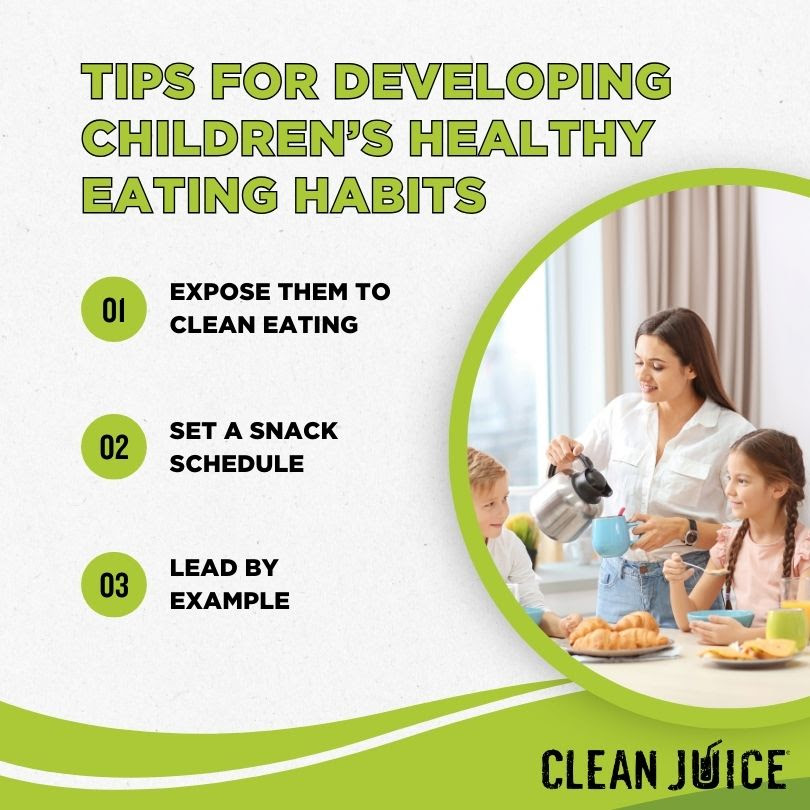
Tips for Encouraging Healthy Eating Habits
1. Expose them to clean eating – Instead of defaulting to fast food or overly processed snacks, make an effort to regularly introduce your children to healthier options. The more exposure little ones have to better-for-you foods, the more their taste preferences can expand. You don’t have to eliminate all treats, but making nutrient-dense snacks accessible plants the seeds for better eating habits down the road. The key is offering a balanced variety and letting kids experience the natural flavors of whole, minimally processed foods.
2. Set a snack schedule – Establish regular snack times and stick to them to avoid mindless grazing. Aim for snacks around mid-morning and mid-afternoon to refuel their energetic moves before the next big meal. A predictable snack schedule lets kids get in tune with their body’s real hunger signals instead of mindlessly munching like a hungry hippo. Having those re-energizing breaks dialed in lets you set the beat for keeping tummies happy and energy sustained throughout their active days.
3. Lead by example – Children are more likely to make nutritious snack choices if they see parents and other family members enjoying the same wholesome treats. Modeling healthy eating behaviors has a big influence on little ones. When kids witness you happily munching on fresh fruits, crunchy veggies, or nutrient-dense snack bars, they’ll be more inclined to try those good-for-you foods themselves.When kids see adults relishing healthy snack choices, it fosters positive associations and instills enduring healthy habits.
Clean Juice Creations
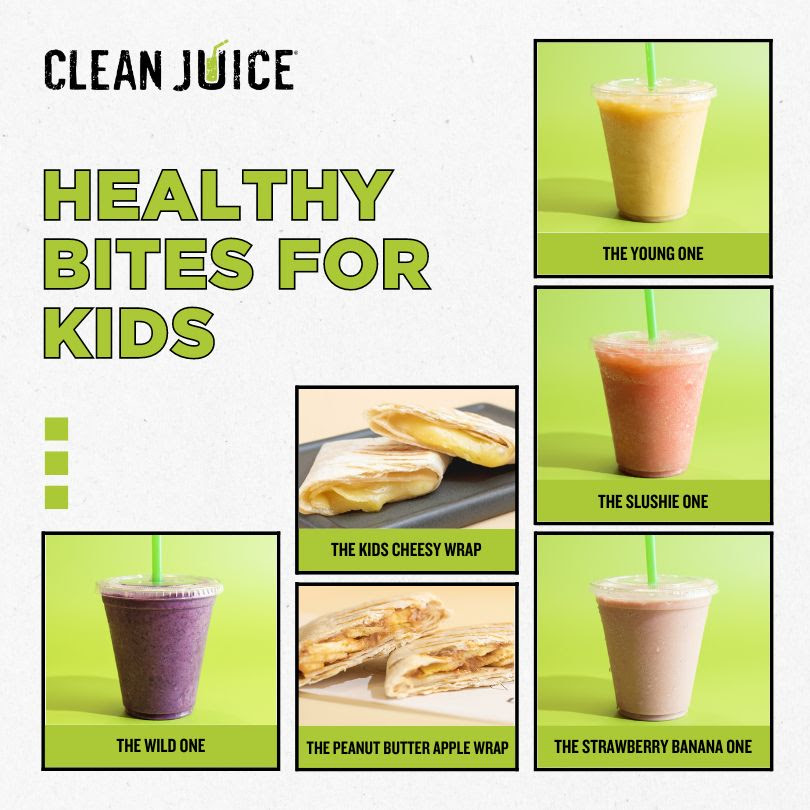
Clean Juice Recommendations:
1. The Slushie One: Made with real strawberries, pineapple and hydrating coconut water, this slushy sipper packs a serious nutritional punch with vitamin C, enzymes and electrolytes to fuel their active adventures.
2. The Kids Cheesy wrap: With its whole grain wrap supplying fiber and nutrients, plus a portable portion of calcium-rich melty cheese, the Kids Cheesy Wrap packs a tasty punch that’ll power little adventurers. This snack delivers vitamins and minerals in a fun, kid-approved form.
3. The Wild One: Let their taste buds go a little wild with this thick, creamy smoothie supercharged with nutrient-dense ingredients. Almond butter and banana create an irresistibly rich base, while blueberries offer antioxidant power and chia seeds provide a boost of fiber and healthy fats. A squeeze of lemon brightens the flavors for a vibrant sip that energizes young bodies and minds.
By making the nutritious choice fun and serving as a positive example, parents can be snack superheroes. Guide your little adventurers to develop an appetite for wholesome flavors with balanced offerings from Clean Juice’s energizing Kids Menu. Nourishing young minds and bodies today allows kids to grow into unstoppable forces full of zest for an active, healthy lifestyle. Establishing smart snacking habits now provides a lifetime of vitality – that’s a deliciously rewarding parenting win.
Sources:
- (1) Nidirect: Healthy Eating for Children
- (2) American Diabetes Association: Youth-Onset Type 2 Diabetes: The Epidemiology of an Awakening Epidemic
- (3) Annual Report: State of Childhood Obesity
- (4) Healthdirect Australia: Healthy Eating for Children
- (5) Parents: 11 Important components of Kids’ nutrition
Disclaimer: The information presented here is for educational purposes only and is in no way intended as a substitute for medical counseling. Consult your doctor before using any health treatment, including natural remedies, and tell your doctor if you have a serious medical condition or are taking any medications.
If you’re unsure whether physical activity would be a healthy addition to your wellness routine, ask your doctor if any of your health details might make physical activity unsafe for you.
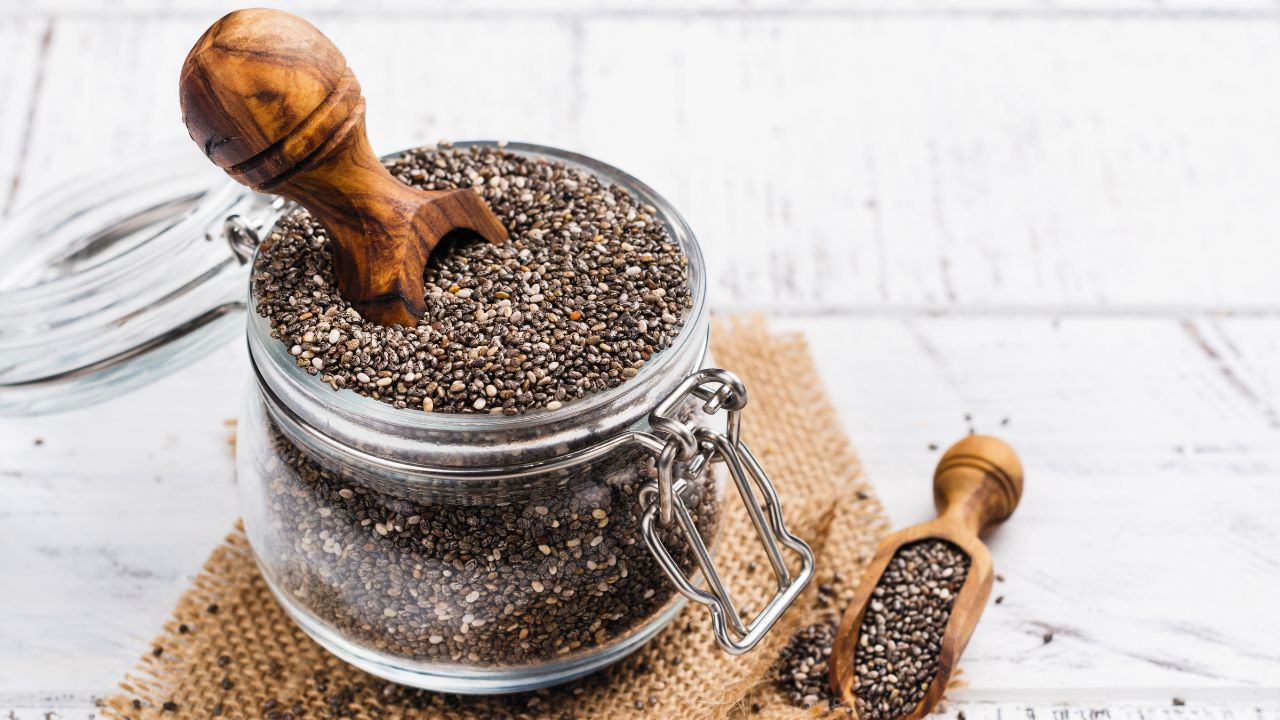
The Mighty & Mysterious Chia Seed
Tiny but mighty, Chia seeds have been packing a powerful punch for thousands of years! These unassuming little seeds were superstars in the ancient Mesoamerican civilizations. In fact, the word “chia” stems from the Mayan word for “strength.” (1) How fitting for a teeny seed that was considered nearly magical for providing stamina and endurance.
Table of contents:
A Glimpse of the Origins of Chia Seeds
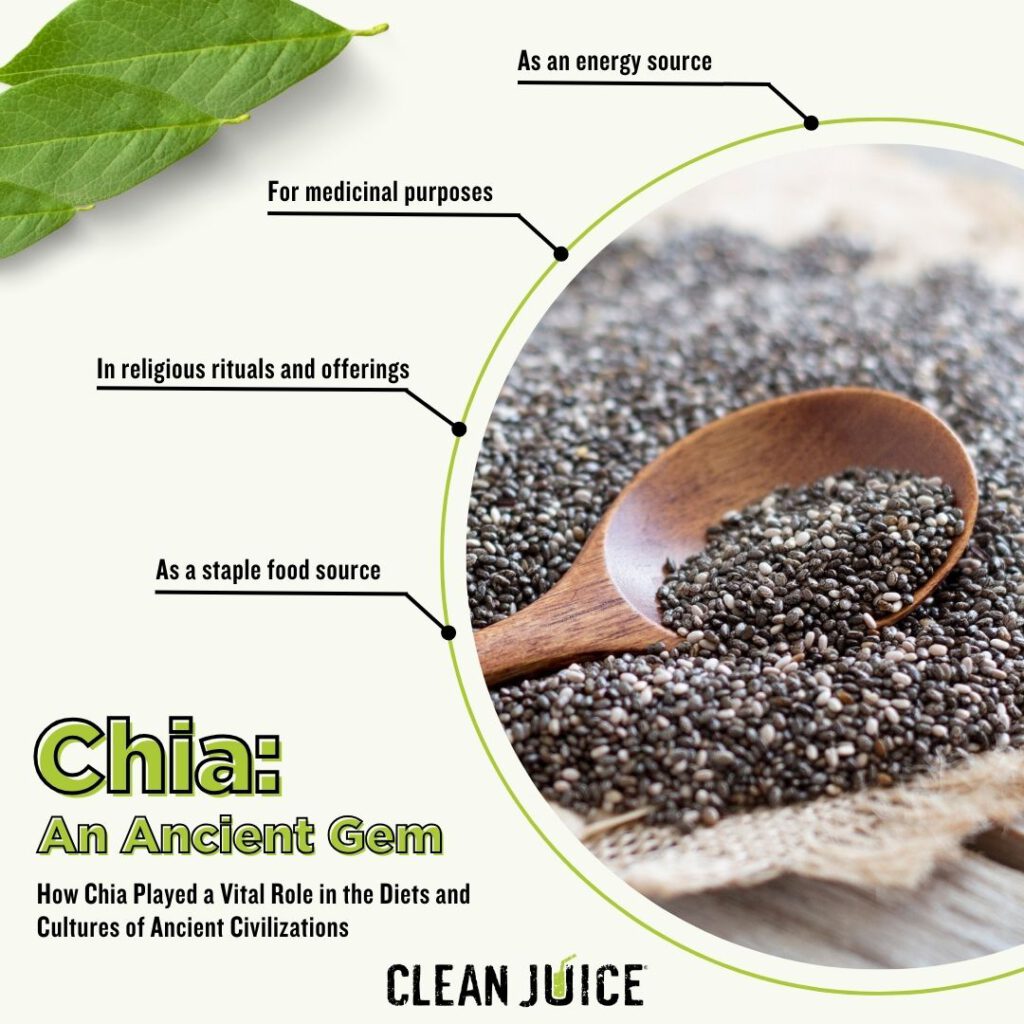
The Aztecs and Mayans weren’t messing around when it came to Chia. These cultures believed Chia held mystical powers of strength, energy, and fertility. (2) Warriors would load up on the seeds for an extra boost before long journeys. Ancient rituals centered around Chia as offerings to the gods. There’s no doubt these ancient people tapped into the profound nutritional potency of Chia!
The Multifaceted Marvel of Ancient Chia
Can you imagine fueling up on Chia before an epic battle or ceremony? That’s just how revered and nutritious these seeds were back in the day. Chia played several vital roles in the diets and cultures of ancient civilizations like the Aztecs. (3) How?
As a staple food source
Chia seeds were indeed a dietary dynamo. These tiny nutritional powerhouses provided vital nutrients and energy that sustained the Aztec people.Packed with fiber, protein, omega-3 fatty acids, and essential minerals like calcium, magnesium, and iron, chia seeds were a comprehensive food source for the Aztecs.(3) Chia could be ground into a flour, which allowed for easy storage and transport even on the longest of journeys. The versatile seeds were also frequently mixed directly into other Aztec foods and beverages, enhancing dishes with an extra nutrient-dense boost.
In religious rituals and offerings
But Chia was more than just food to the ancient Aztecs – it was a revered spiritual force! Chia played a sacred role in religious rituals and ceremonies central to Aztec culture. The mystical seeds, believed to bestow strength and fertility, were cherished offerings presented to Aztec gods and deities.
For medicinal purposes
These pre-Columbian cultures got extra clever with mighty Chia seeds as well. Not only were they nutritious, but the seeds served as raw materials in traditional natural remedies too! Rich in antioxidants like chlorogenic acid, caffeic acid, myricetin, quercetin, and kaempferol, as well as containing essential omega-3 fatty acids, chia seeds have powerful anti-inflammatory and antioxidant properties that made them a prized ingredient in various ancient health tonics and treatments.(5)
As an energy source
With their protein, fiber and healthy fats, it’s no wonder Chia was the go-to energy source for the Aztecs and other pre-Columbian cultures.The portable seeds fueled mighty warriors and travelers, providing sustained energy during long treks, military campaigns, and other strenuous activities. It seems Chia’s vigor-boosting powers had helped drive ancient people to blaze new trails and push the limits of human potential!
The humble Chia seed has traveled an amazing journey, from being revered by ancient civilizations for its life-giving properties to gracing modern superfood status today. With each sprinkle of Chia, we partake in centuries of nourishing wisdom and cultural tradition. By rediscovering the enigmatic origins of Chia, we gain a deeper appreciation for the modern-day superpowers that this tiny but mighty seed still possesses. Next time you add Chia seeds to your favorite smoothie, bowl or meal, keep in mind its ancient history, and see if you can channel the Chia’s centuries long wisdom and power.
The Modern Benefits to Chia Seeds
Modern research suggests chia seeds might be more than just delicious sprinkles. These tiny wonders, once cherished by the Aztecs, are making a big comeback in the modern wellness world. Packed with potential benefits, chia seeds may support digestive health, help reduce blood pressure and cholesterol levels, aid in weight management, and even help combat inflammation. (4) But that’s not all – these little seeds might also be your ally in the fight against diabetes and could even give your mental well-being a boost, noted in some studies to help alleviate symptoms of depression and anxiety. (4) So, why not add a sprinkle of chia magic to your meals and see what all the fuss is about?
Non-Dietary Keys to a Healthy-looking Skin
When it comes to achieving healthy, radiant skin, there’s no one-size-fits-all solution. However, by incorporating a few key habits into your daily routine, you can help your skin look its best.
1. Hydrate, hydrate, hydrate! Drinking plenty of water throughout the day helps to flush out toxins, plump up your skin cells, and keep your skin looking fresh and dewy.
2. Get your beauty sleep! Aim for 7-9 hours of quality shut-eye each night to allow your skin to repair and regenerate itself, leaving you with a well-rested, glowing complexion.
3. A consistent skincare routine is a great way to show your skin some love. Cleanse, moisturize, and protect your skin daily to keep it looking its best. Don’t forget the mineral based sunscreen!
4. Manage stress through relaxation techniques like meditation, deep breathing, or yoga. Try and keep things in perspective as well as remembering what you are grateful for to help you de-stress. When you’re less stressed, your skin looks more radiant and youthful.
Superfood Toppings that Help Skin Stay Healthy and Vibrant
At Clean Juice, we’ve got dozens of menu options to choose from that include the 5 foods listed at the start of today’s newsletter including our guest favorite The Avocado Toast, The Loaded Avocado Toast, The Protein Toast, several of our sandwiches and wraps that have tomatoes, and dozens of fresh juices and smoothies that contain berries or leafy greens. But what about some of the superfoods add-ons we have available–which of these are the best for helping your skin stay healthy and vibrant?
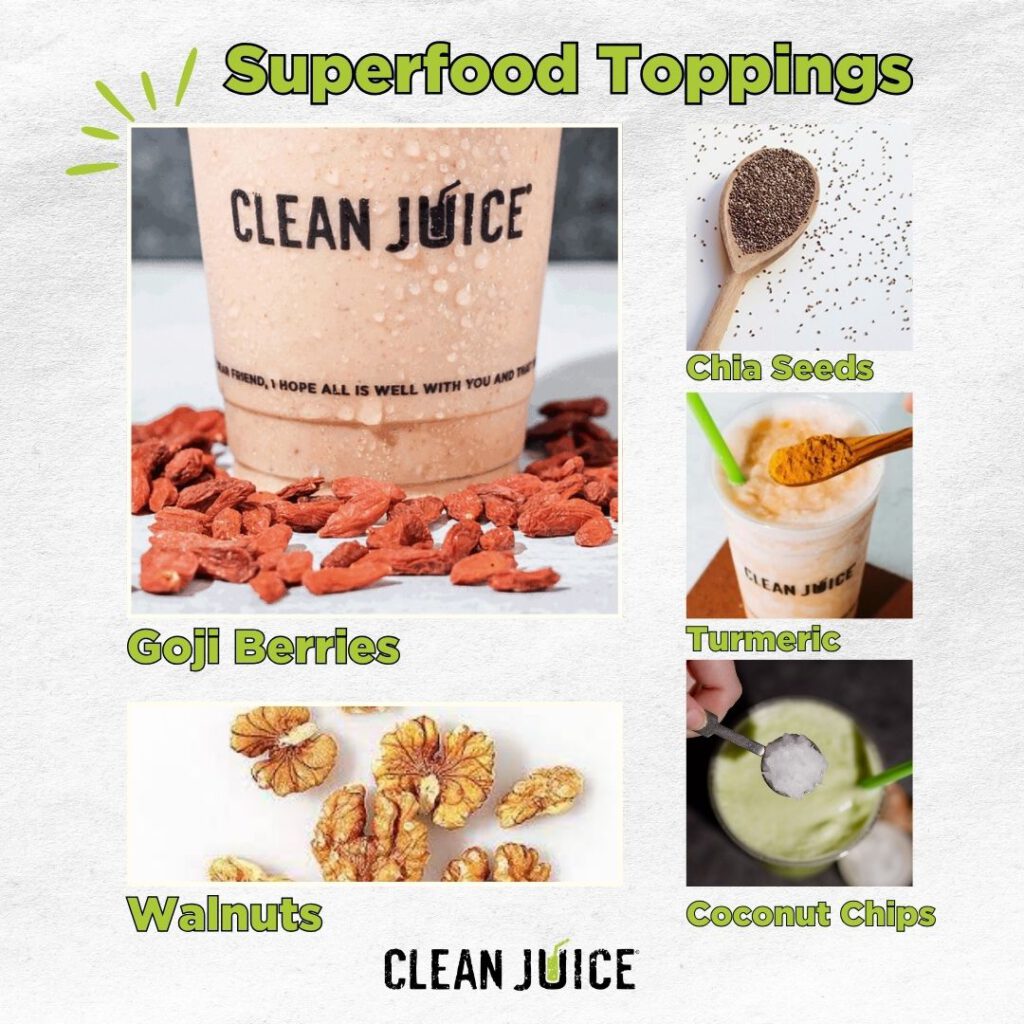
Goji Berries: Unleash the power of goji berries for a radiant complexion. These tiny, nutrient-packed fruits are renowned for their high levels of antioxidants and Vitamin C, which aid in the fight against aging by protecting the skin from oxidative stress. Incorporating goji berries into your diet can help promote collagen production, ensuring your skin remains firm and youthful. A sweet, tangy addition to any salad or acai bowl, goji berries are your skin’s best friend for warding off the signs of aging.
Chia Seeds: Hydrate and heal your skin with chia seeds, the superfood that packs a massive nutritional punch. Rich in omega-3 fatty acids, chia seeds help provide deep moisturization for your skin from the inside out. The antioxidants found in chia seeds also help combat inflammation and promote smoother, more resilient skin. Add a sprinkle of chia seeds to your smoothie or acai bowl for a daily boost of skin hydration and protection.
Hemp Seeds: Elevate your skin health with hemp seeds. These small but mighty seeds are loaded with omega-3 and omega-6 fatty acids, contributing to stronger, more supple skin. Hemp seeds also contain gamma-linolenic acid, a powerful anti-inflammatory that helps with skin growth and new cell generation, reducing acne and keeping your skin smooth. Power up your smoothie or acai bowl with hemp seeds for some extra skincare love.
Walnuts: Unlock age-defying beauty with walnuts. These crunchy nuts are not only tasty but are also rich in anti-inflammatory omega-3 fatty acids, which help protect your skin against UV damage, reduce skin inflammation, and promote a smoother, more even complexion. Walnuts are also a good source of antioxidants and zinc, critical for repairing skin damage and keeping the skin’s barrier strong, and they make for a great addition to a salad or acai bowl.
Coconut Chips: A guest favorite add-on to many of our acai bowls, coconut chips are abundant in medium-chain fatty acids and lauric acid, known for their antimicrobial properties, which can help in reducing acne and infections. The hydrating properties of coconuts keep your skin moist and soft.
Maca: Invigorate your skin with maca, a root known for its unique nutritional profile. Maca is rich in vitamins and minerals that support skin clarity, including Vitamin C, zinc, and iron. These nutrients help reduce skin inflammation, promote healing, and maintain the skin’s elasticity. Adding maca to your fresh juice or smoothie can lead to a more vibrant, youthful complexion and an overall boost in skin health.
Turmeric: Brighten your skin naturally with turmeric. This golden spice is celebrated for its anti-inflammatory and antioxidant properties, thanks to curcumin, its active compound. Turmeric can help lighten hyperpigmentation, reduce redness, and fight signs of aging, promoting a smooth, even skin tone. Incorporate turmeric into your next fresh juice for a powerful, natural way to enhance your skin’s health and appearance.
Sources:
- (1) WebMD: An Overview of the Skin
- (2) The New York Times: How Your Diet Affects Your Skin
- (3) Healthline: 11 Reasons Why Berries Are Among the Healthiest Foods on Earth
- (4) PubMed: The effect of tomato and lycopene on clinical characteristics and molecular markers of UV-induced skin deterioration: A systematic review and meta-analysis of intervention trials
- (5) Shape: Kale Benefits for Skin That’ll Convince You to Chug a Green Juice
- (6) BetterHealth: Nuts and Seeds
Disclaimer: The information presented here is for educational purposes only and is in no way intended as a substitute for medical counseling. Consult your doctor before using any health treatment, including natural remedies, and tell your doctor if you have a serious medical condition or are taking any medications.
If you’re unsure whether physical activity would be a healthy addition to your wellness routine, ask your doctor if any of your health details might make physical activity unsafe for you.
The Clean beauty movement has been on fire and with good reason. Nearly all of the skincare products we find on the shelves are layered with ingredients that our great grandparents have never seen before and we’re over it. It’s time for some natural products to grace our skin because what we’re using is determining what our skin feels + looks like now, and will inevitably set the course for how our skin will look + feel years from now, and that’s kind of important. Why? Our skin is the largest organ on our body, which only heightens the importance of why we need to do all the things to take care of it, but what does that look like?
We’ll Tell You What It Doesn’t Look Like
From parabens, phthalates, and sulfates to oxybenzone, triclosan, hydroquinone, and artificial fragrances, you can find all of these nasty ingredients and more in your skincare products. Is your head hurting from trying to read all of those harsh words, yet? Because ours is. All of these ingredients can be found in your makeup, nail polish, sunscreen, shampoos + conditioners, hair dyes, and the list goes on. We are sure some of you have experienced irritations from certain products, and what do we do? We throw it away and move onto something marked “sensitive skin,” which fixes the short-term effects, but what are these products doing to us long term?
“Products are tested to make sure they don’t cause short-term problems, such as skin irritation. But they’re not tested for long-term safety,” says Dr. Kathryn M. Rexrode, associate professor of medicine and chief of the Division of Women’s Health at Harvard Medical School. The FDA only steps in when someone has made a claim against a product stating that it has caused damage, but other than that, the purity of a product is left to the hands of a money-hungry industry that doesn’t really care about the long term effects for us. It’s pretty upsetting, right? Well, let’s do something about it. How? Let’s take baby steps and then let’s take a plunge.
The Baby Steps
Obviously we all can’t afford to just throw away everything in our bathroom because so and so said so, but what we can do is start looking at the ingredients in the products that stay on our skin the longest. Body lotions, face lotion, body oils, face serums, primers, sunscreen, + makeup all seep into our skin and are there all day long. When you use products that aren’t natural, they have the potential to deplete your skin from its natural state, fill your body with harmful toxins, speed up aging, and some body lotions can even be the cause of weight gain because it’s interfering with your hormone production. So what do you do? Look at the ingredients. If you see any of the nasty words listed above in your products, start looking for an alternative.
Some alternatives for clean skincare are Primally Pure for facial cleansers, ILIA Makeup, The Organic Pharmacy for sunscreen and other options, + The Honest Company for body lotions, and for a list of Goops 2021 list of non-toxic favorites, check their picks out here.
Once you’ve found a clean alternative to the products that stay on your skin the longest, start throwing away the old products that have harmful toxins in them, and when you’re ready, start looking at other daily habits + products that are used on your skin, hair, and nails.
Take the Plunge
Taking the plunge could mean a lot of things, but really, we just want you to keep choosing better products that will help you step into a new you and start creating new daily habits that will benefit you, your future, and your skin. What daily, weekly, and monthly habits can you start incorporating? What shampoo + conditioner do you use? What about your soap, shaving cream, and nail polish? We have a snazzy new brand that you might have heard of called freecoat nails. What is it? It’s a non-toxic beauty bar that focuses on providing people with non-toxic options. They also have an organic sugar scrub that is made in-house + it feels like pure goodness on your skin (no lie). There aren’t too many non-toxic beauty bars out there, but we’re trying to change that so we can create the new norm.
Another change you should start to think about is your hair dye. If you dye your hair on your own or get it done professionally, you’re exposing yourself to 5,000 different chemicals including some known to disrupt the body’s natural hormone balance or to have cancer-causing effects in animals, according to studies. A study was published online on Dec. 3, 2019, by the International Journal of Cancer, which states that they found a link between hair dye and breast cancer. “Women in the study who used permanent hair dye at least once in the 12-month period leading up to the study had a 9% higher risk of developing breast cancer than women who didn’t use hair dye. And when the study authors broke the findings down by race, they found an even higher risk for African American women. Women in that group who used any permanent dye in the previous 12 months had a 45% higher risk of developing breast cancer compared with women who did not use hair dye. It didn’t seem to matter how often or for how many years the women had used the dye,” states Harvard Health Publishing.
Clean Beauty, It’s a Way of Life
There are so many different things you can do in order to incorporate new daily habits that will lead to a healthier you and a healthier future, but it’s all about what works for you. If you’ve found new, healthier + clean habits that work for you, what are they? If you use non-toxic skincare or hair products that you love, what are they? Leave it in the comments for our readers so we can all grow in this Clean Beauty movement together, because it shouldn’t be a movement, it should be a way of life, and we’re ready to live it.
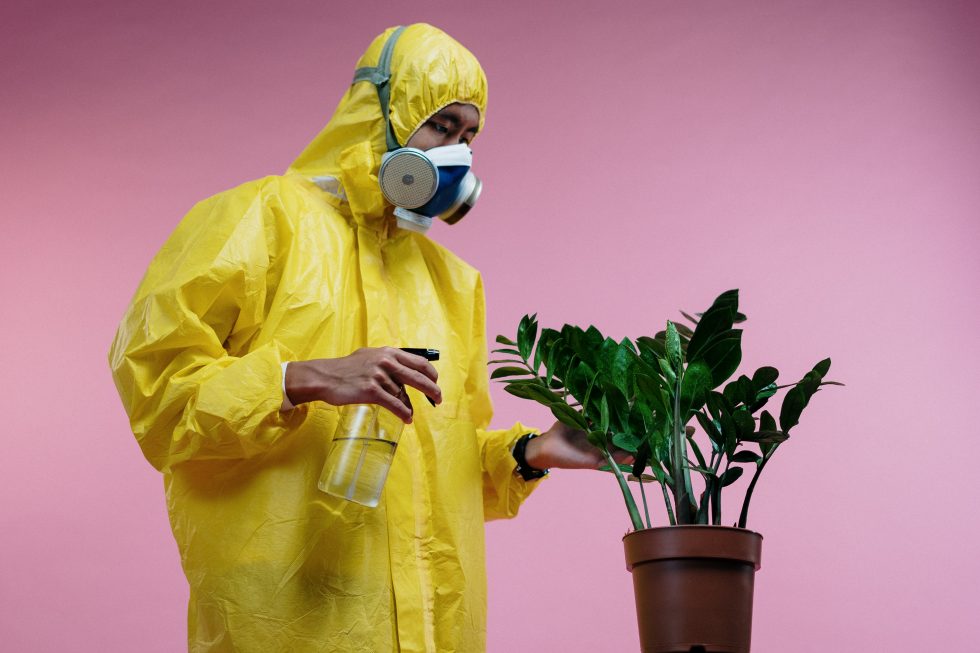
Glyphosate. What the heck is it and why do you need to stay away from it? Let’s talk about it for a hot minute, because it’s dirty, it’s disgusting, and it does not get our juices flowing.
According to the U.S. Food & Drug Administration (FDA), “glyphosate is a widely used herbicide that can kill certain weeds and grasses. Glyphosate works by blocking an enzyme essential for plant growth. The product is used primarily in agriculture, but also in forestry and lawn and garden care,” and you want to know where else it can be found? In our food. Yep, you read that right, and it gets worse. The FDA also states that “certain trace amounts of pesticides, or pesticide chemical residues, may remain in or on some crops after they’re harvested. The FDA’s role is to ensure that pesticide chemical residues on or in domestic and imported foods do not exceed the limits established by the U.S. Environmental Protection Agency (EPA),” which means that as long as there isn’t “too much” glyphosate found in our food, then it is deemed “safe.” We don’t know about you, but we don’t want to ingest anything that has any amount of pesticides on or in it.
Save the bees. Save the humans.
The thing is, glyphosate isn’t just found in our lettuce or veggies, it’s also in our chips, meat, wheat, and it’s affecting the biomes of insects like bees, causing massive numbers of bees to die off and causing devastating effects to earthworms and biodiversity overall. Think about it, if it’s affecting these insects that live in pretty rough environments and can adapt quickly to changes, just imagine the type of damage it could do to your body that isn’t exposed to half of the things they are. We don’t only need to save the bees, we need to save ourselves from the pesticides that are finding their way into our homes- our bodies.
The C-word
If it wasn’t bad enough knowing that pesticides are in our food, it gets even worse. Glyphosate is also known to be a probable carcinogen by the World Health Organization’s International Agency for Research on Cancer. There have been several lawsuits against products like RoundUp for being the cause of cancer, which is one of the commonly used pesticides for farmers where nonorganic food is grown. Did you catch that? Not only are there pesticides in our food, but these pesticides are a common cause of cancer. Umm, how do we stay away from all things Glyphosate?
Choose organic
The EWG published a report on August 15th, 2018, which showed that 43 of 45 samples of products made with conventionally grown oats indicated that glyphosate was present. I know what you’re thinking… How am I supposed to eat anything that doesn’t have glyphosate in it?
Easy. Choose organic.
Clean Juice has made it incredibly easy for everyone who walks through our doors. How? Because literally every product that is used in our stores is USDA certified organic and you never have to wonder where your food comes from, if there are any added sugars or additives, and you literally get to watch your food being made right in front of you. Does it get any more transparent than that? We don’t think so.
But why organic?
When you stray away from organic food, you run into other labels using glyphosate as a pre-harvest desiccant, which means that crops are harvested shortly after they are sprayed and long before the chemical can be broken down. Ok, what does that mean? When crops are harvested shortly after being sprayed, glyphosate is present at high levels in many common food crops, and these crops are often labeled as ‘natural’ and non-GMO, which triggers our brain to think it’s ‘healthy,’ but it isn’t. Scary, right? We know!
Some researchers have even raised concerns about the nutritional quality of food crops being reduced by the use of glyphosate, which is another reason to choose organic. Organic soybeans have been found to have higher nutritional value than genetically modified soybeans, and that’s not the only food that holds higher nutritional value when it isn’t genetically modified.
So, what are we saying??
We’re saying to eat Clean Juice morning, lunch, and dinner and choose all organic food when you’re grocery shopping. When you choose organic, you’re choosing foods that hold all of their nutritional value, aren’t loaded with extra preservatives or additives, and will leave you feeling clean, energized, and 100% yourself. At Clean Juice, all of our ingredients are USDA organic certified and they taste insanely delicious. We have locations all around the U.S. and you can even have your own Clean Juice in your back pocket when you download our app. We choose you, so choose us too and let’s save the bees, the planet, and ourselves.
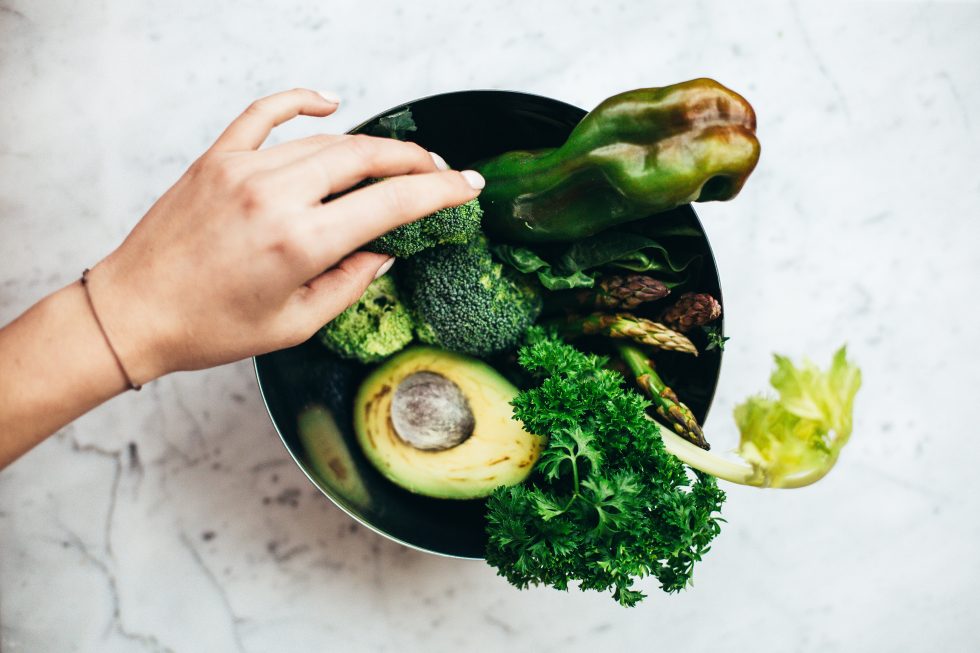
Organic agriculture means using cultural, biological, and mechanical practices that foster cycling of resources, promote ecological balance, and conserve biological diversity.
Since the beginning, organic agriculture has been based on the principle of sustainability. This means that many farmers add organic matter, soil microbes, and soil invertebrates that will naturally increase over time and create rich healthy soil that will help their crops better fight off drought, diseases, and insects. No need for harmful pesticides!
NO HARMFUL PESTICIDES, NO PROBLEMS
There are a few other ways farmers protect against pests and diseases while avoiding harmful pesticides. Having a well-designed and healthy organic system that will naturally have fewer pest problems (by using crop rotation, intercropping, or resistant varieties) is their first go-to move. If pests are still a problem, their second line of defense is to use mechanical and physical practices (like burning crop residues, mulching, introducing insect predators) and non-synthetic/natural materials. The final line of defense against pest control is to use biologicals and botanicals to control pests.
Biologicals and botanicals are pesticides derived from natural materials or living organisms and are allowed in organic production as long as they do not contain synthetic additives or are not prohibited on the national list of unapproved pesticides. Think compounds derived from plants with unique bug-repelling properties, minerals (like sulfur, copper, clay), and pheromones.
BETTER FOR YOU & YOUR HEALTH
Not only are USDA-certified organic fruits & veggies better for the environment, they may also have a higher nutrient content than conventional produce!
With no harmful pesticides or fertilizers, plants boost their own natural production of phytochemicals in order to strengthen their resistance to bugs and weeds. Why does that matter? Because phytochemicals are the vitamins & antioxidants that our body needs!
The harmful pesticides and chemicals used on most conventional produce are extremely toxic and poisonous to the body. Long-term harmful pesticide exposure can have very serious and negative effects on our health! When you eat organic, you are reducing your risk of developing health problems and you’re also filling your body with the best, most nutritious food possible.
You can rest assured knowing that everything on our menu is USDA-certified organic and designed to give your body something truly healthy.

Coffee is the second most popular drink worldwide with over 400 million cups downed a day by Americans alone. The statistics on coffee obsession are staggering, but not surprising if you catch a glimpse of the local Starbucks line around 8 in the morning. Of all the things to be obsessed with, coffee seems to be a safer option. Most of us have not truly thought twice about the long term effects of our daily coffee run. However, most people would be shocked to know that the coffee bean is the most heavily sprayed bean in the produce market. It is loaded with toxic chemicals that affect not only the crop itself, but the environment and the people around it. Due to coffee being in such high demand, it is essential that this issue be addressed for both our own health and the sake of the environment around us. We sat down with an expert in coffee chemistry, Dr. Hendon, on the Be Organic Podcast to talk about the science behind coffee. Check it out here!
In today’s world, Starbucks and Dunkin’ (along with most other chain restaurants) serve coffee that is laden with pesticides, carcinogenic sweeteners and a surplus of calories making it about as good for you as curling up with a slice of cake. If this was something we indulged in on occasion, it would not be as destructive to our bodies, but because it is the second most consumed beverage next to water itself, the negative impacts are impossible to ignore. You can eat a perfectly healthy diet, but if you are ordering a large vanilla latte every day – you are going to find yourself dealing with brain fog and crashing hard within an hour or so – not to mention the long term health effects. All this to say, coffee is not all bad, but what our society has done with it today is.
Coffee itself has so many benefits. It has been known to help combat Alzheimer’s, Parkinson’s certain forms of cancer and even oxidative stress. Regular coffee consumption, in a safe amount, can improve cognitive function and support different organs in our bodies. Not to mention the simple, yet positive, aspects of caffeine on our mental health and ability to get up and go in the morning! This all plays a huge role in our lives, but as with so many other natural health foods, it has come a long way from being the original superfood of the past. Thankfully, there are still ways to cure your coffee cravings in a healthy way! Dr. Chopra, coffee expert, believes that drinking 4+ cups of pure organic coffee a day has amazing benefits. Listen to more here!
Purity coffee is our go-to coffee brand. It is clean, organic and good for the environment. Especially when buying decaf beans, non-organic is further washed with chemicals to get rid of the caffeine. Purity coffee is a great example of a brand that uses water instead. Clean Juice carries wellness lattes during the winter which are a blend of organic, natural ingredients designed to give you the same effect of a regular latte, but without the crash, dehydration, inflammation or brain fog. We include ingredients such as ginger, turmeric, lion’s mane, and coconut sugar to turn your afternoon pick-me-up into a superfood supplement! All year we serve up organic cold-brew coffee in several products. Our Cashew Milk Latte cold-pressed cashew milk, The Beauty Bowl acai bowl, and The Coffee One fan-favorite smoothie. If you are looking for health alternatives to your regular morning or afternoon coffee run try grabbing some organic coffee beans from the store and making it yourself or stop by Clean Juice and let us do the hard work for you!
Coffee is an addiction for most of us and not something many are willing to compromise on, but give yourself a few weeks, make substitutions to use organic beans and natural sweeteners. You will feel so much better, there is a good chance you will not want to go back.

TIPS FOR STAYING HEALTHY IN THE NEW YEAR
It’s the beginning of a new year and a fresh start so if you have not already, now is the time to set some new goals, specifically for your health. This past year was a tough one all around and most of us are feeling it physically just as much as we are mentally! While your goals should be specific to you and what works for your lifestyle the best, we have a few foundational tips that will help you eat well and live better as you step into 2021:
Eat Real
Yes, that bag of popcorn you snack on at work is not necessarily going to hurt you – but is it helping you? Processed foods come in all shapes and sizes (cereals, frozen meals, chips, reconstituted meats, etc.) but they all have one thing in common: they are empty calories, creating a foundation to feed disease in your body and not much else. Snacking is not necessarily a bad thing, but watch what you are snacking on because that is when processed foods tend to sneak themselves into your otherwise healthy diet.
Switch to Organic
Here at Clean Juice – organic is a necessity. Yes, it is expensive, does not always look as pretty, and takes some extra planning and effort, but the long term effects of eating organic and using organic products far outweigh any alternative options. Many health issues ranging from hormonal imbalances to diseases can be a result of the harmful pesticides and growth hormones used in non-organic meat and produce. It can be hard to get into the swing of a full-on organic diet and lifestyle, so start small and switch up some of your favorite fruits and vegetables for organic next time you buy groceries. Your body will thank you!
Give your digestion a break
Our digestive systems are much more sensitive than you would imagine. If you don’t chew your food enough it can cause inflammation, or if you stress too much and it can cause a leaky gut or gastroparesis – and when our digestion is off, our entire body is affected. Every now and then it is extremely helpful to give your gut a break and either practice intermittent fasting and stick to water for a few hours or opt for a protein smoothie or juice (organic of course). This allows your body to cleanse itself of any backup in your digestive tract while also supplying the energy it once used to break down food to target other issues such as acne!
Drink water
Of all the necessary elements, water is arguably the most essential. The list of positive side effects of drinking enough water is endless from glowing skin and healthy hair to stronger joints. Water is the essential building block of everything in our bodies and yet 80% of Americans claim to not be drinking enough. A simple way to drink enough water is to plan it out – carry a reusable water bottle with you throughout the day and plan to drink a certain number of ounces before bed. If you are having a hard time making yourself drink enough, putting a dash of organic, unsweetened fruit juice or lemon can help! Pretty soon your body will start to crave that water and it will be hard to go a day without having more than enough.
Practice alternatives
After attempting to give up my love of baking due to its negative effect on my health, I stumbled upon a recipe for paleo brownies. I decided to give it a try and was instantly hooked. Now, baking with healthy, whole ingredients is second nature – I will never go back! Similarly, finding alternatives to snacks or drinks you love is essential to a lasting healthy lifestyle. The good news is that there is an alternative to just about everything! Cravings are a natural human instinct and while the alternative may not taste identical to the real thing it can help satisfy those cravings in a nourishing way.

“Menopausal women have the ability to reduce their chance of breast cancer by 14% by walking 7 hours per week. That’s one hour per day.”
-Laura Renegar, Be Organic Podcast Ep. 47
This is a reassuring statistic. There are lots of ways we can reduce our risks and predispositions to diseases like Breast Cancer. We sought information from the experts – Dr. Chasse Bailey Dorton, oncologist, and Dr. Kat, a Thermography specialist. Family history and predispositions don’t have to be inevitable, so let’s talk about it.
Hormonal Signs
Let’s start with getting in tune with your body. Notice how your periods feel, whether your breast size changes, and whether some months seem to be heavier than others. When we are stressed, our bodies lean towards the hormone estrogen during our cycles, and when we are relaxed we lean more towards progesterone during our cycles. It’s something to take note of in your body but there is no need to freak out about it! Figure out what makes your periods feel more comfortable and that will ultimately help you find that hormonal balance. Lowering stress, moving your body, and eating nutritious foods are going to be the best place to start for getting your estrogen/progesterone levels under control. Here are some of the top fruits & vegetables to help balance your hormones: (1)
- Avocado – The healthy fats in avocados are the building blocks for important sex hormones like estrogen, progesterone, and testosterone. Filling your body with the healthy fat in avocados will give your body the fuel it needs to keep producing hormones.
- Fresh Berries – Vitamin C may help regulate your progesterone levels during the PMS phase of your cycle, and blueberries, strawberries, blackberries, and raspberries are all hormone balancing fruits packed with vitamin C. (2) It’s best to get your fill of these berries before your cycle starts, so we recommend The Berry Bowl or The Youthful One.
- Lignan-rich seeds – Seed cycling has helped many people balance their hormones naturally. Check out our short podcast episode on it here. Flax & pumpkin seeds contain lignans, compounds that may help stimulate estrogen production when you’re a little low and get rid of excess estrogen. (3) Get your pumpkin seed dose with The Fall Bowl & The Autumn Crisp Bowl – two stars of our seasonal Fall menu!
Self Checkup
It’s good to feel your breast tissue for any new developments, no matter how old you are. Being in tune with small changes, whether it be fibroids or something else, it’s always good to get it checked out as a proactive step. It’s important to be your own advocate and address it when something just feels “off”. Learn how to do a self-examination here.
Nutrition
We talk about it all the time, but the food you put in your body has the ability to literally change your DNA- aka epigenetics. What does this mean? Well, if you have diseases that have been passed down from generation to generation, you don’t have to be stuck with the same outcome. The foods we eat have the capabilities of signaling inside the cells, turning on and off different genes. I know we just simplified this concept a lot, but your food goes way past being “just macronutrients”. Make sure to get fruits and vegetables in every day – and if you hate eating them, try drinking them! Cold-pressing pounds of fresh produce into each Clean Juice bottle will deliver your body key nutrients, vitamins, and minerals. We also have our Greenoa greens & grains bowls that are sure to give you your daily dose of fresh leafy greens.
It is critical to make sure your fruits & vegetables are USDA-certified organic. They are sprayed with harmful pesticides and even after being washed, these pesticides remain and will be ingested when you eat non-organic produce. Filling your body with toxins and harmful pesticides will have adverse side effects, and choosing organic means you will have reduced exposure to synthetic pesticides, increased antioxidant levels, and a minimized chance of having heavy metal poisoning. One of the most common commercial pesticides, glyphosate (known by the brand name, Roundup) is classified by the International Agency for Research on Cancer as a probable human carcinogen. Experts warn that over time, repeated exposure to pesticides can lead to certain types of cancer. Looking for that USDA-organic seal when you shop and slowly switching over your household ingredients will help reduce your exposure to harmful pesticides.
Movement
We could talk all day about movement and its benefits, but one of the first things that come to mind is this quote, “stagnant pools breed disease.” This makes us think about our blood and lymph, two mechanisms that are used to excrete toxins out of the body. What happens when this fluid isn’t moved? It becomes stagnant and bad waste builds up. How do we get our lymph moving and toxins out? We workout out and sweat all those toxins out. So get that sweatband on and let’s move it!
Recent podcast guest, Lisa Gainsley, taught us all about lymphatic massaging and lymphatic contouring. Massaging your lymph nodes (the correct way!) starts to move the toxins out. As Laura Renegar said at the beginning of this blog post, just walking for 1 hour a day is enough to get you started on your path towards breast cancer prevention. A great way to get your steps in AND support breast cancer research & programs would be to join a Making Strides Against Breast Cancer walk in your town! Walking and meeting other men and women passionate about eradicating breast cancer will leave you with lasting memories.
(1) https://doctortaz.com/4-hormone-balancing-foods/
(2) Henmi, H., Endo, T., Kitajima, Y., Manase, K., Hata, H., & Kudo, R. (2003). Effects of ascorbic acid supplementation on serum progesterone levels in patients with a luteal phase defect. Fertility and sterility, 80(2), 459-461. https://www.fertstert.org/article/S0015-0282(03)00657-5/fulltext
(3) Aehle, E., Müller, U., Eklund, P. C., Willför, S. M., Sippl, W., & Dräger, B. (2011). Lignans as food constituents with estrogen and antiestrogen activity. Phytochemistry, 72(18), 2396-2405. https://www.ncbi.nlm.nih.gov/pubmed/21889775
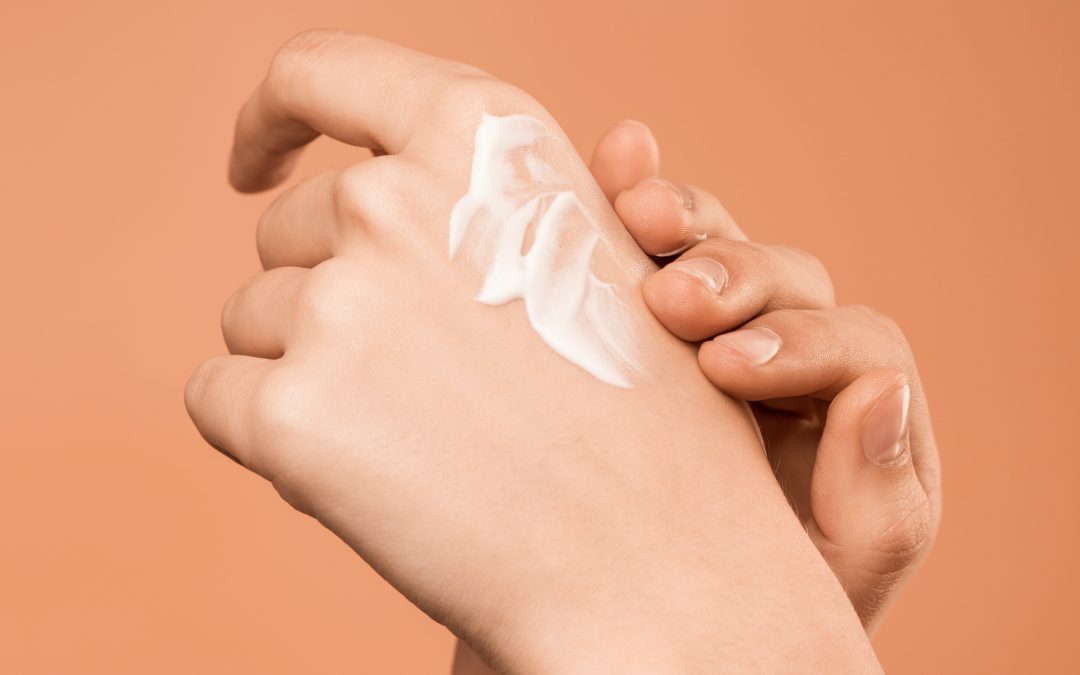
If you’re struggling with acne or inflammation like eczema, it’s time to treat these skin problems as a symptom, not a condition. Stomach inflammation, chronic body inflammation, gut imbalances, and oxidative stress (which is essentially free radical damage) are all huge contributors to skin problems. The skin microbiome is also a complex part of your body that you probably have not heard about. Even if you don’t struggle with chronic skin symptoms, there are ways that you can take care of your skin to keep your microbiome in balance. Let’s dive into this bacteria ecosystem and talk about ways to help your skin.
The Skin Microbiome
The skin has a very special environment for good bacteria to thrive while warding off bad bacteria and other pathogens. In the world we live in, it is very easy for the skin microbiome to become imbalanced and overrun with bad bacteria as well as inflammatory responses that cause the tough situation to become worse. The food we consume can also wreak havoc on the skin microbiome. Trying to find the balance in the skin after toxin overload, hormonal chaos, and inflammatory response can be more than just eating some carrots and drinking a glass of water.
Eating right will help keep your gut happy & ultimately your skin happy. Hydrating is an essential part of preventing acne or keeping your skin happy. Drinking water, lots of water, will help get rid of dead skin cells, transport antimicrobial proteins to the skin’s surface so that they can keep acne-causing bacteria in check, and keep the environment moist so that it can heal. Eating mineral-rich foods like dark leafy greens (spinach & kale), pumpkin seeds, avocados, and cacao. Don’t love eating pounds of spinach and kale? Drink them instead! Our cold-pressed juices are designed to deliver the minerals and nutrients you need in a convenient USDA-certified organic bottle.
Watching what you put on your skin is another way to lessen the absorption of chemicals that could lead to inflammation and trigger health problems. Take deodorant for example. A guest on our BeOrganic Podcast, Skyler Stein, talked about the harmful properties in traditional deodorant and antiperspirants.
“There are specific bacteria in armpits that cause body odor. When we use antiperspirants we are killing all of the bacteria in our armpits, all of the good and the bad. So we are completely burning down the forest every day that we use it.” -Skyler Stein
With deodorant, Skyler argues that not only is the bad bacteria being killed but the good along with it. When you go a few days without deodorant, that skin environment is more imbalanced than ever before, causing more odor, and then come full circle to you needing to apply deodorant once again (and maybe more throughout the day). It’s a feedback loop of the stinkiest kind.
ENDOLYSINS
Endolysins are superheroes when it comes to policing bad bacteria and creating more of the good in the skin microbiome. Skyler Stein, a recent BeOrganic Podcast guest, works with endolysin technology with his product Gladskin that essentially creates a healthy environment for the skin microbiome to flourish without the help of steroids, sulfates, alcohol, fragrance, parabens, or preservatives. Traditional skin treatments contain harsh chemicals and steroids that often strip your skin and don’t give it the chance to heal itself.
Endolysins have the unique ability to break through foreign pathogen cell walls and represent alternatives to conventional antibiotics. They also have something called “host specificity” meaning that they can effectively target the pathogen causing distress in your body, so they work more focused without the contraindications that some antibiotics can have. Even better yet, endolysins are naturally occurring all over the globe – experts are just now learning how to use endolysin technologies. Pretty cool right? If you like science, here’s a link on endolysins’ efficacy in treating Staph infections. These endolysins are powerful healing agents for skin conditions that extend beyond acne and have been particularly useful in healing eczema.
Want to learn more about the skin microbiome and Endolysins? Check out our BeOrganic podcast episode with Skyler Stein here!