5 Incredible Benefits of Camu Camu: How They Help Your Health Soar to Next Level
Over the last several years, more scientific evidence has emerged surrounding the powerful health benefits of some particular foods that are aptly referred to as “superfoods.” That’s why health buffs have been taking the phrase, “You are what you eat” more seriously than ever.
Many different aspects can place an item in the category of a superfood, but the most general feature is that these foods have shown measurable health benefits for those who consume them regularly.
Many superfoods have been around for hundreds or even thousands of years and have been used in ancient civilizations for their healing properties.
One of the newest additions to the superfood roster is the camu camu berry. Haven’t heard about it yet? Let’s dive deeper into this superfood’s rich history, its many uses and forms, and the incredible health benefits of camu camu.
Table of Contents:
-
- What is camu camu?
- Brief history of the camu camu berry
- Myrciaria Dubia Plant: Origins and How to Harvest
- Why camu-camu is special to cleansing diets
- Camu Camu: Taste, Texture, Pairing with Other Foods
- Different forms of camu camu
- Superfoods to pair with camu camu
- Where can I find camu camu?
- How to Properly Store camu camu?
- How can I eat camu camu?
- Health Benefits of camu camu
- Are there any risks related to camu camu
What Is Camu Camu?
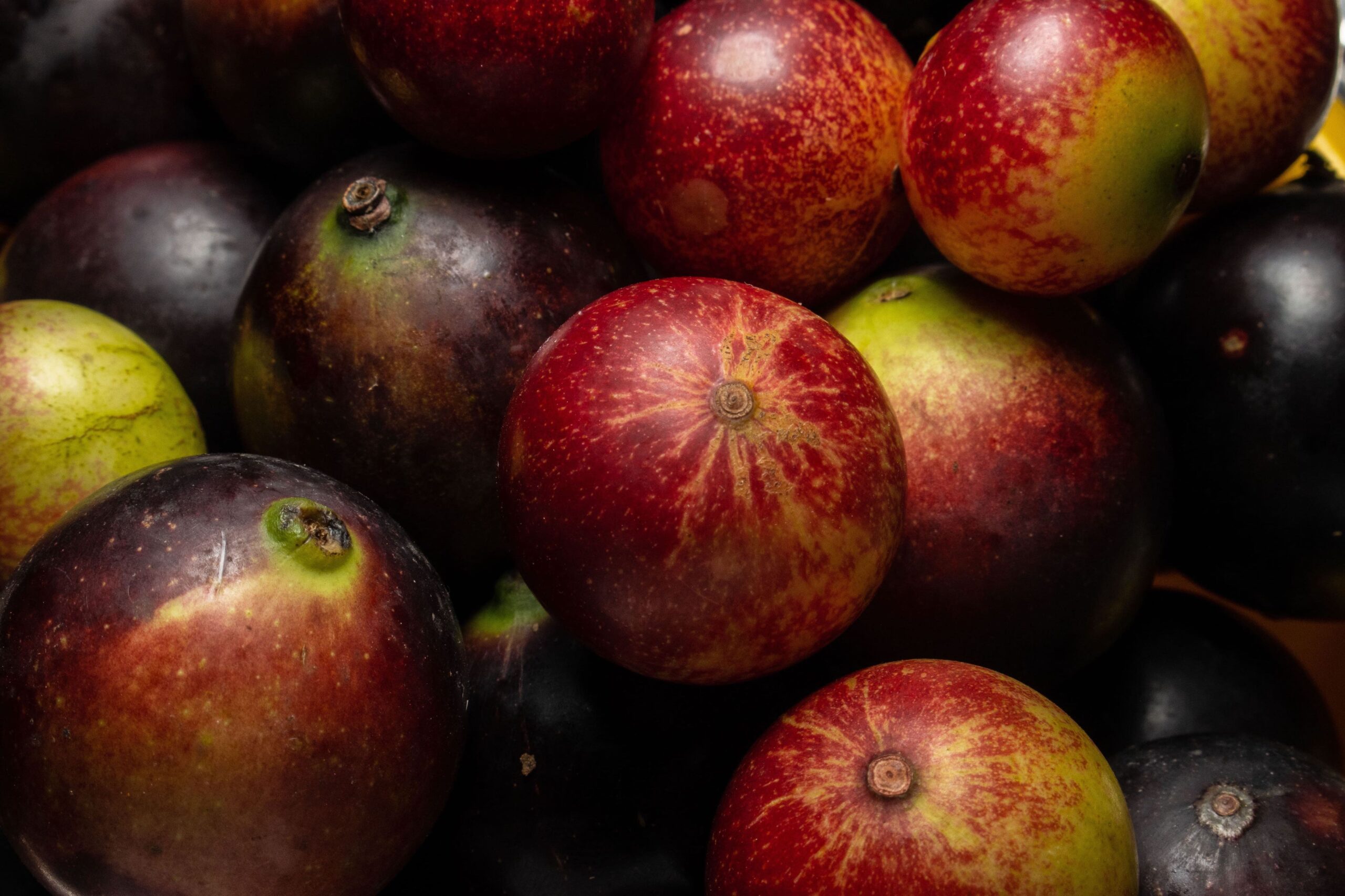
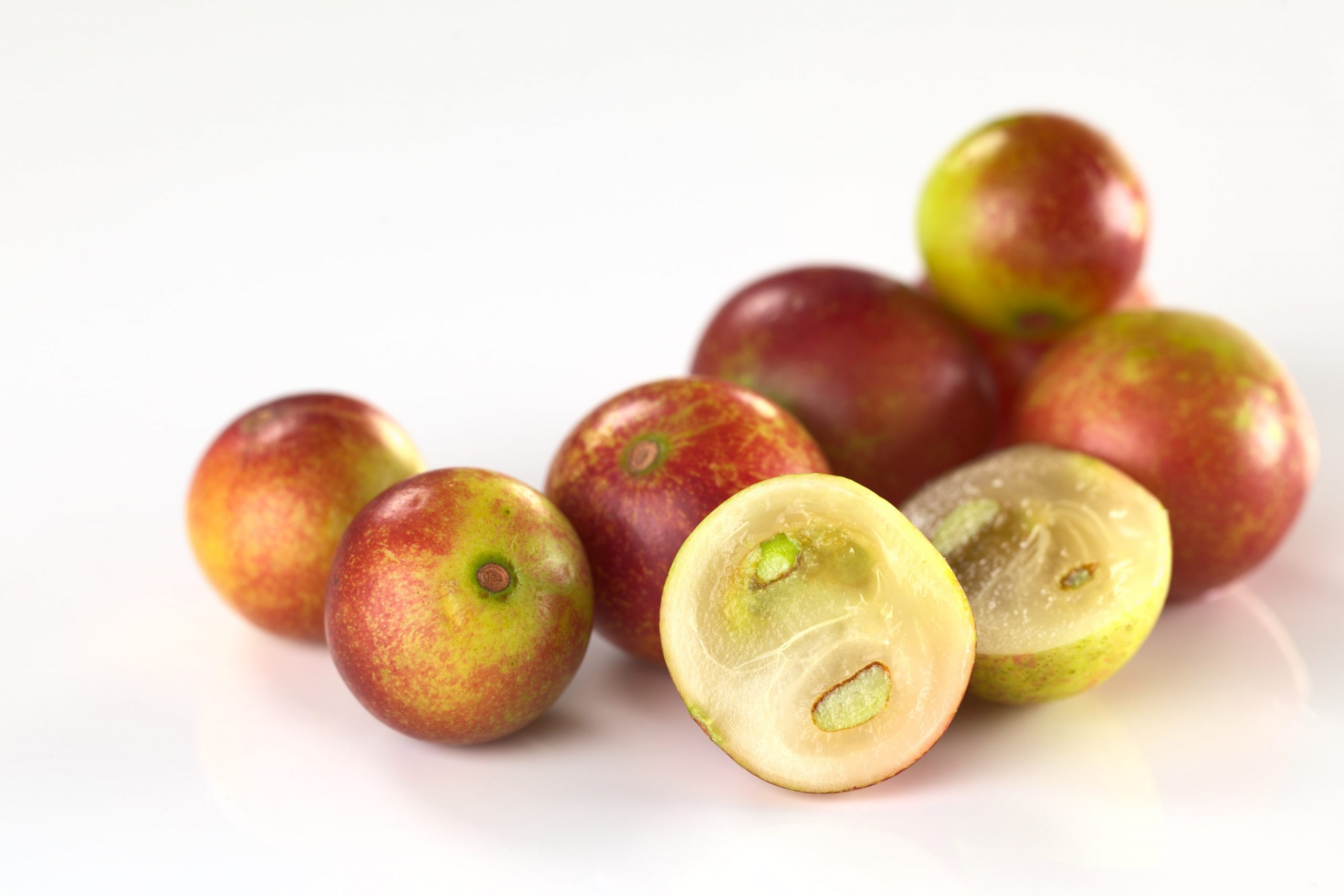
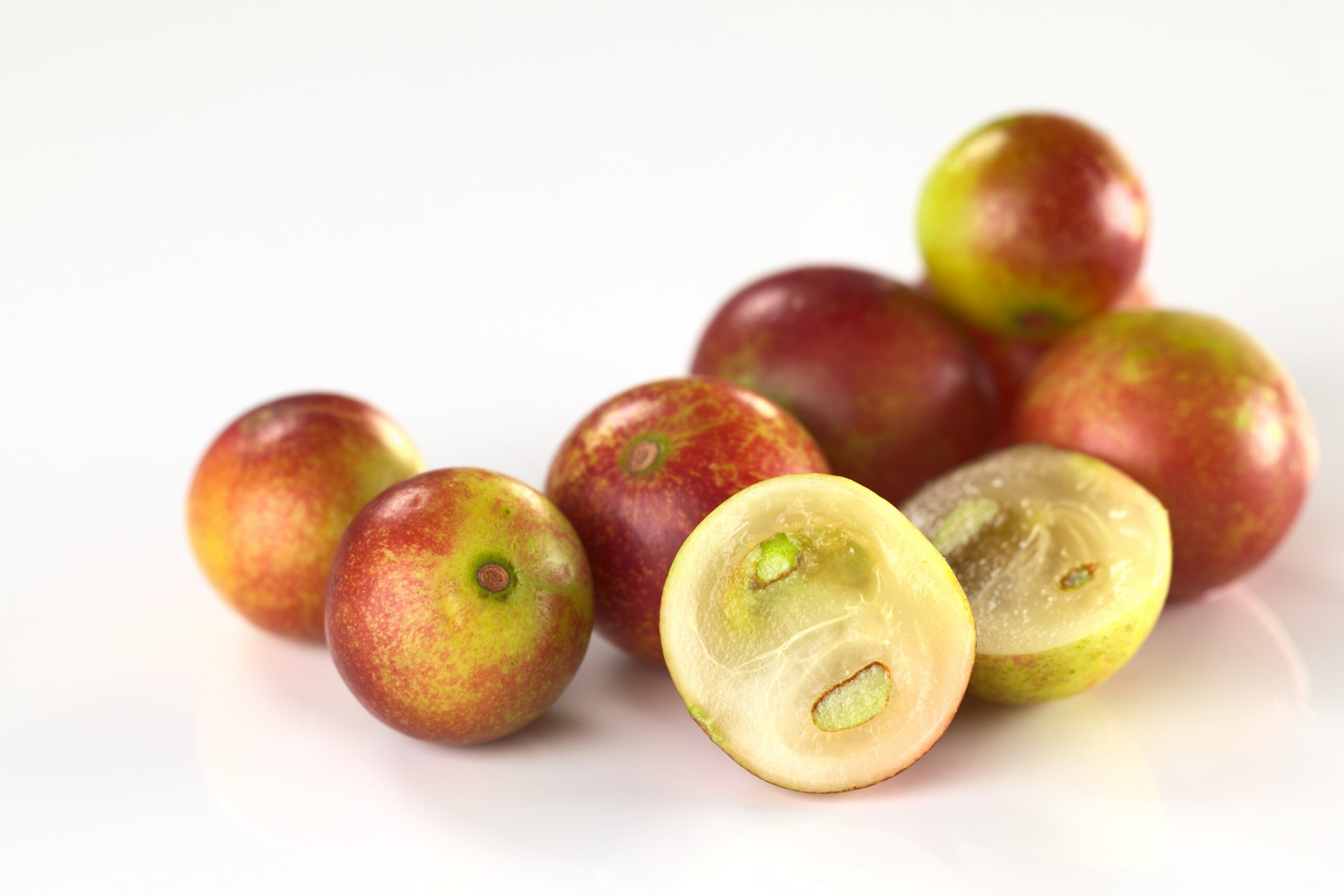
Camu camu is a reddish-purple berry about the size of a grape that grows within the Amazon rainforest area, particularly in swampy marshlands that contain nutrient-rich soil and plenty of moisture. The berry originally appears as a pale yellow or green color and deepens to a red or purple hue as it ripens.
Though the camu camu berry is mostly seen in the Amazon rainforest, it can also grow in certain regions of Columbia, Bolivia, Peru, and Brazil based on local climates. This berry does not naturally grow anywhere in North America
Brief History of the Camu Camu Berry
Amazonian civilizations have been including camu camu berry in their diets for centuries. While the berry’s tart flavor and high level of acidity make it difficult to consume straight off the bush, camu camu is often included in juices or ground into a fine powder to consume with other foods.The notable health benefits of camu camu have been celebrated for many generations in South American cultures, particularly for its extremely high vitamin C content.
Local Amazonians have also used the berry and its leaves as a medicine to treat ailments. These ailments include eye conditions like cataracts, the common cold, hardening of the arteries, and chronic fatigue.
Myrciaria Dubia Plant: Origins and How to Harvest
The camu camu berry grows on the Myrciaria dubia, a shrub native to rainforest climates like those found in Brazil, Columbia, Ecuador, Peru, and Bolivia. The berries are harvested by local farmers at the point of ultimate ripeness when the berries are a dark purple or reddish color.In some cases, the Myrciaria dubia leaves will be harvested as well to be used for their medicinal properties. However, when the crops are being harvested to be imported to the U.S. and other countries, most farmers will only include the berries or ship them as a powder for sale in health food stores.
Why Camu Camu is Special to Cleansing Diets
Superfoods like camu camu are often used in cleanses, which are diets designed to remove toxins from the body by way of an adjustment in your food intake.Many superfoods have properties that are specifically powerful for removing such toxins, which is why juice cleanses and other types of cleansing diets focus on consuming a large quantity of these foods for a certain period.
Camu camu may contain some antioxidant properties based on recent findings. Antioxidants are compounds found in many fruits and vegetables that can help the body fight free radicals, which are potentially damaging agents. Regularly consuming antioxidants can help prevent disease and reduce inflammation in the body.
Camu Camu: Taste, Texture, Pairing with Other Foods
So what does camu camu taste like? The camu camu berry has a very sour taste, even at peak ripeness. That’s why the berry is not typically consumed on its own but rather combined with other foods or consumed in various forms.The texture of camu camu will depend on the form in which it’s consumed. When the berry’s juice is used in fruit juice blends, it combines seamlessly with the texture and mouthfeel of the other juices.
However, when the berry is dried and ground into a powder, the texture can be slightly gritty depending on what other foods you’re combining it with.
Different Forms of Camu Camu
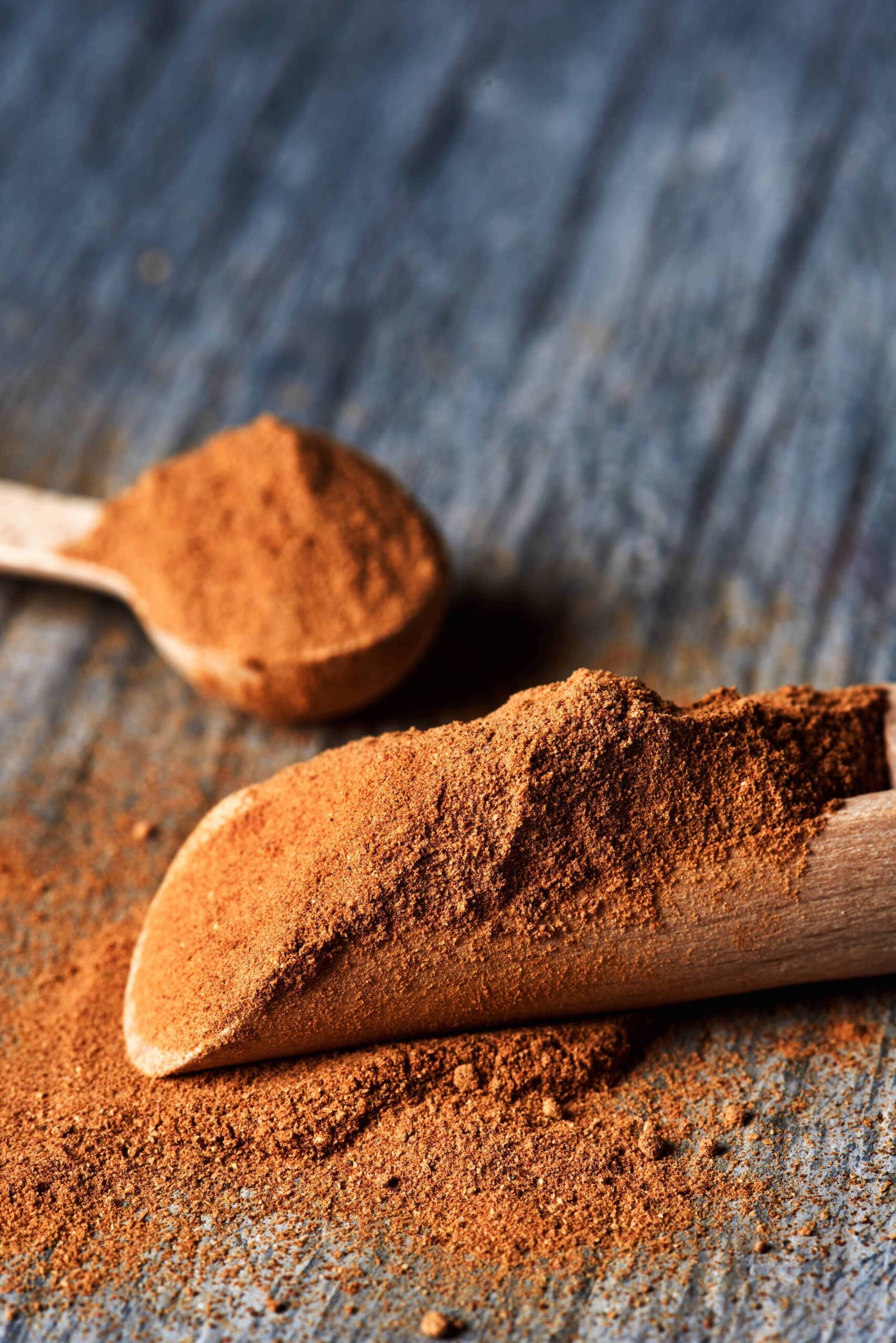
Camu camu powder is the most common form in which to consume this exotic berry. Since camu camu doesn’t grow in North America, importing fresh camu camu berries can be costly, not to mention their freshness is difficult to maintain during the importation process.
Camu camu powder has a much longer shelf life than fresh berries, it doesn’t need to be refrigerated, and it can travel much more easily than the berries can in their natural state.
Camu camu powder contains all of the same health benefits as the whole berry but is more convenient to purchase and can be combined with various foods.
If you prefer to include the health-supporting benefits of camu camu in your beverages, you can also find camu camu in liquid form (a dilution of pure camu camu juice and water due to the strong taste) either on its own or mixed with other juice flavors.
Superfoods to Pair with Camu Camu
The taste of camu camu can pair nicely with a variety of other superfoods. One of the most common ways to incorporate camu camu into a healthy diet is by mixing the powder in acai bowls, another superfood that comes from the Amazon rainforest region. Like camu camu, acai features a tart, tangy taste and a variety of health benefits.If you want to incorporate camu camu into your beverages, you can pair its sour and tangy taste with sweeter fruits like berries, strawberries, and pineapple. Additionally, if you prefer a more subtle or even spicy taste to your juice (and want to include more health benefits), you can mix your camu camu and other fruit juices with celery juice or ginger.
Where Can I Find Camu Camu?
In most areas, you can find camu camu products at your local health food store or even in a typical grocery store. Camu camu is easiest to find in powder form, but you may be able to find camu camu juice in select health food markets.If you aren’t able to find camu camu on the shelves of your local market, it’s easy to purchase online and get delivered to your house through a variety of brands. You can purchase organic camu camu powder in many different bag sizes, either in its pure form or mixed with other superfood powders.
How to Properly Store Camu Camu
Camu camu powder has a long shelf life and can last for several weeks in your pantry if properly kept. Make sure your camu camu powder is stored in an airtight container that’s kept cool and dry. Additionally, you should consume your camu camu powder before the expiration date for the best results.Camu camu juice and any juice mixtures containing camu camu should be kept in the refrigerator and consumed within a few days of opening.
How Can I Eat Camu Camu?
Acai bowls are all the rage for their health benefits as well as their delicious taste and endless ability to customize. Many acai fans like to mix camu camu powder into their acai bowls for the added health effects.Other ways to incorporate the benefits of camu camu powder into your daily diet include sprinkling the powder over yogurt or cereal, adding it into your smoothie or protein shake, or even stirring it into tea for added benefits and taste.
Some people include camu camu juice in their pressed juices or smoothies, especially if they like to cut the sweetness of a pressed juice or smoothie with a slightly tangy or sour taste.
What’s the Most Digestible Way to Consume Camu Camu?
There are no incorrect ways to consume camu camu, especially if you don’t have any sensitivities to fruit juice or fruit extract.
However, since camu camu juice has a sour taste and contains high acidity levels, it may cause some digestive issues for those struggling with acid reflux. In this case, you should try using camu camu powder instead of its juice form.
Health Benefits of Camu Camu
Now that you have learned a bit about what camu camu is and the best ways to consume it, let’s take a closer look at the specific health benefits of camu camu that you can enjoy when you include this superfood in your diet.High Concentration of Vitamin C
The vitamin C content is one of the most significant health benefits of camu camu. In fact, vitamin C makes up between 2 and 3% of the berry’s entire weight, which makes camu camu the second richest vitamin C source among all known fruits and vegetables.
Some of the most common benefits associated with regular vitamin C consumption include better collagen formation, a stronger immune system, and more efficient iron absorption, among others.
Plenty of Polyphenols
Polyphenols are chemical groups naturally found in a variety of plants and known to provide many health effects. According to many scientific studies, polyphenols have very similar effects to antioxidants, which means they can help reduce inflammation in the body and even aid in future disease prevention.
Camu camu is known to contain multiple types of polyphenols, including phenolic acids, stilbenes, flavonoids, lignans, and tannins. However, the amount of these compounds found in any given camu camu plant will depend on the fruit’s maturity at the time of picking, the soil in which it grew, and what type of extraction method was used.
Immune System Support
The best way to support your immune system is to eat foods rich in vitamins and minerals, particularly vitamin C.
A single serving of camu camu powder contains well over the daily recommendation of vitamin C intake, which means including camu camu powder in your diet even just a few days a week could make a big difference in your body’s immune response.
Smoother Aging Process

Among the many positive health effects of polyphenols and antioxidants is the benefit of anti-aging properties.
One of the biggest causes of internal aging is inflammation, which can cause various internal issues. Polyphenols and antioxidants fight against free radicals and other inflammatory agents, which help keep your internal systems working efficiently.
Regular consumption of camu camu can also help prevent outward signs of aging, such as skin dullness or fine lines. Vitamin C, one of the most significant benefits of camu camu, can support increased collagen production in the body and improve the appearance of the skin.
Are There Any Risks Related to Camu Camu?
As of yet, there are no definitive studies that have found significant risk with consuming too much camu camu, whether in powder or juice form. However, just like any substance or supplement, you should consult your doctor before including camu camu in your diet on a regular basis and especially before consuming it daily.Limits on Camu Camu Consumption
Some studies suggest that too many antioxidants in your diet could have an adverse effect on your health. Ask your doctor if you should place any specific limitations on camu camu consumption based on the other sources of antioxidants already included in your diet and other details of your current health status.
Boost Your Health (and Make It Delicious) with Clean Juice
Ready to learn firsthand how the benefits of camu camu can improve your life from day to day? At Clean Juice, we make healthy taste great with fresh pressed juices, hand-crafted acai bowls, and much more. Contact us and order now for delivery right to your door!
Sources:
- Camu Camu is the buzziest anti-inflammatory fruit right now
- Myrciaria dubia
- Antioxidant and Associated Capacities of Camu Camu
- What is Camu Camu?
- Chemistry and Biochemistry of Dietary Polyphenols
- 4 Camu Camu Benefits that are good for your skin
Disclaimer: The information presented here is for educational purposes only and is in no way intended as a substitute for medical counseling. Consult your doctor before using any health treatment, including natural remedies, and tell your doctor if you have a serious medical condition or are taking any medications.
Like any food, however, you should refrain from consuming too much and creating an imbalance in your diet. You can ask your doctor about a healthy level of daily fruit consumption for your health needs.
Some people with specific allergies may have a negative reaction to eating acai or foods that contain acai. If you are allergic to pollen, ask your doctor whether acai is safe for you, as this berry could potentially aggravate your allergy.
What Is Acai? 6 Awesome Things You Need to Know About This Super Berry
Everyone knows that eating multiple servings of fruit each day is an important part of a healthy, balanced lifestyle. (We’re sure you’ve seen that triangular food pyramid before.) Though there are many other food types that should be included, such as vegetables, healthy fats, and complex carbohydrates, different fruits are packed with distinctive vitamins, minerals, and chemical compounds that are essential to a complete diet.
Perhaps you understand that your fruit intake is an important part of your overall health, but you’re bored of your typical fruit choices and are wondering if there’s anything new and exciting to try in the world of fruit. You’re in luck! Acai, a unique and nutrient-packed berry, is sweeping the wellness industry.
What is acai, you may ask? Well, the berries are nicknamed “purple gold” which should give you an initial indicator of how great their benefit is. Let’s dive into some more details about this incredible fruit, its uses, and its health benefits. You’ll shortly be going acai-crazy.
Table of Contents:
What is Acai? History and Origins
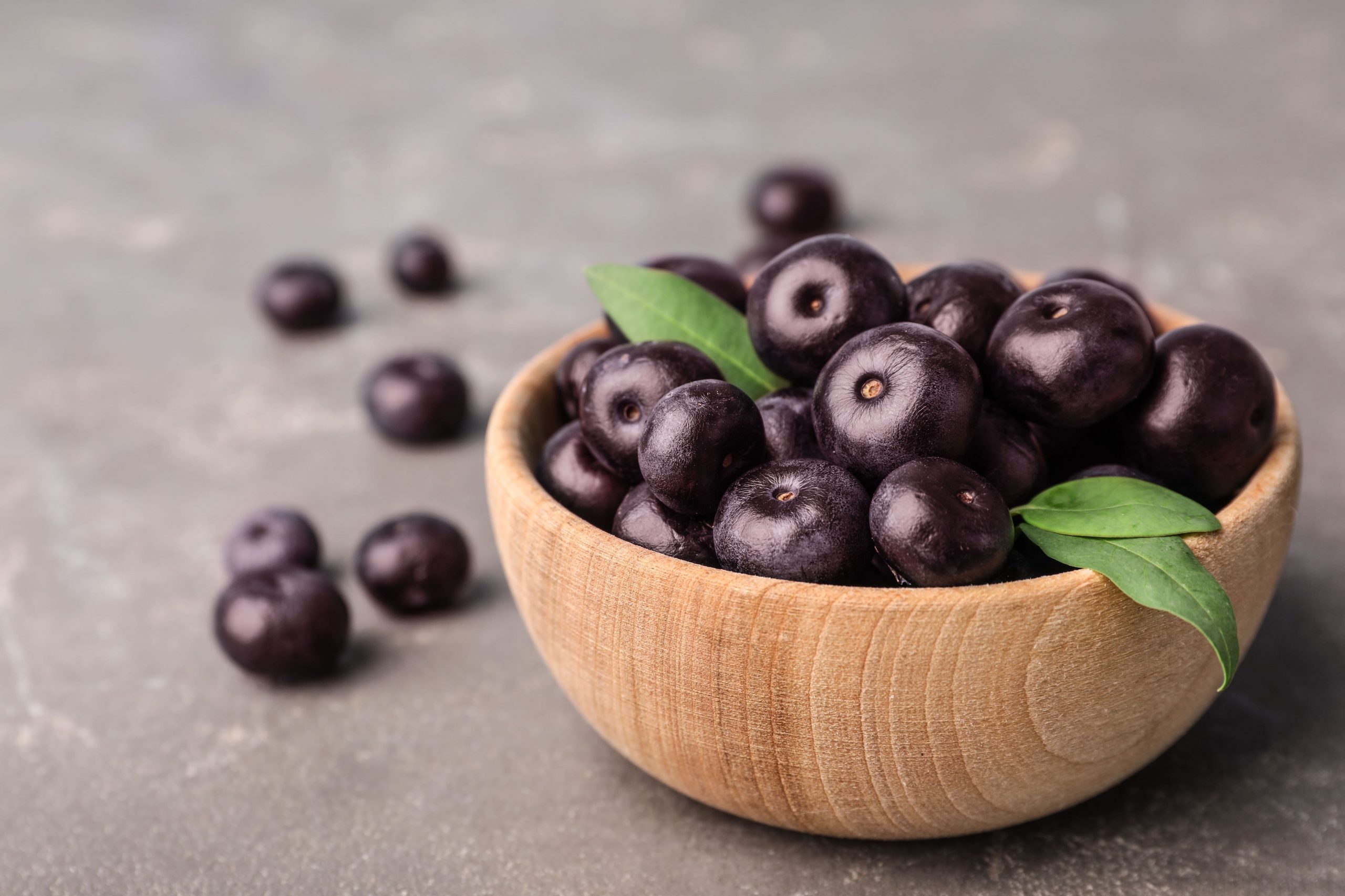
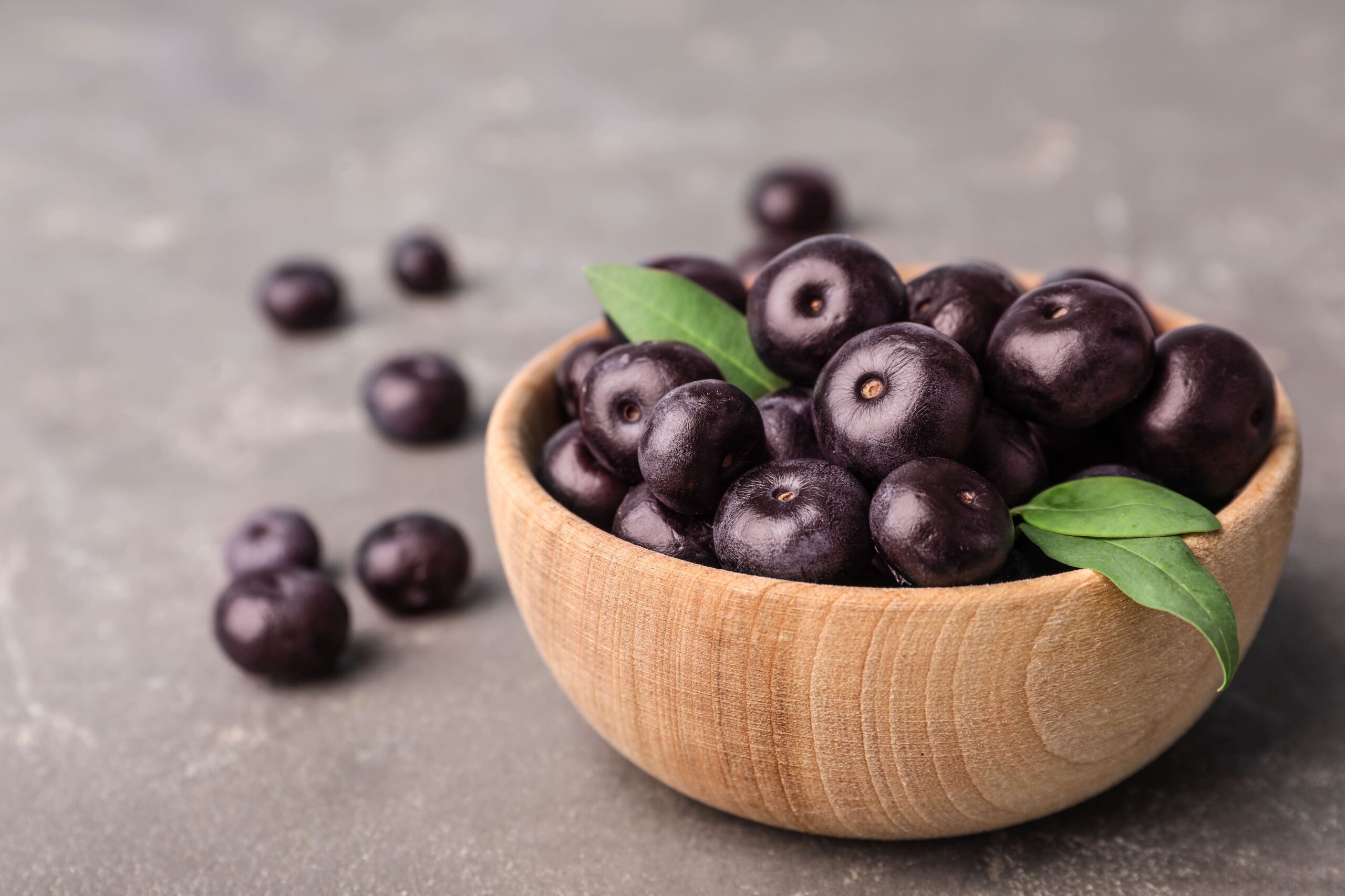
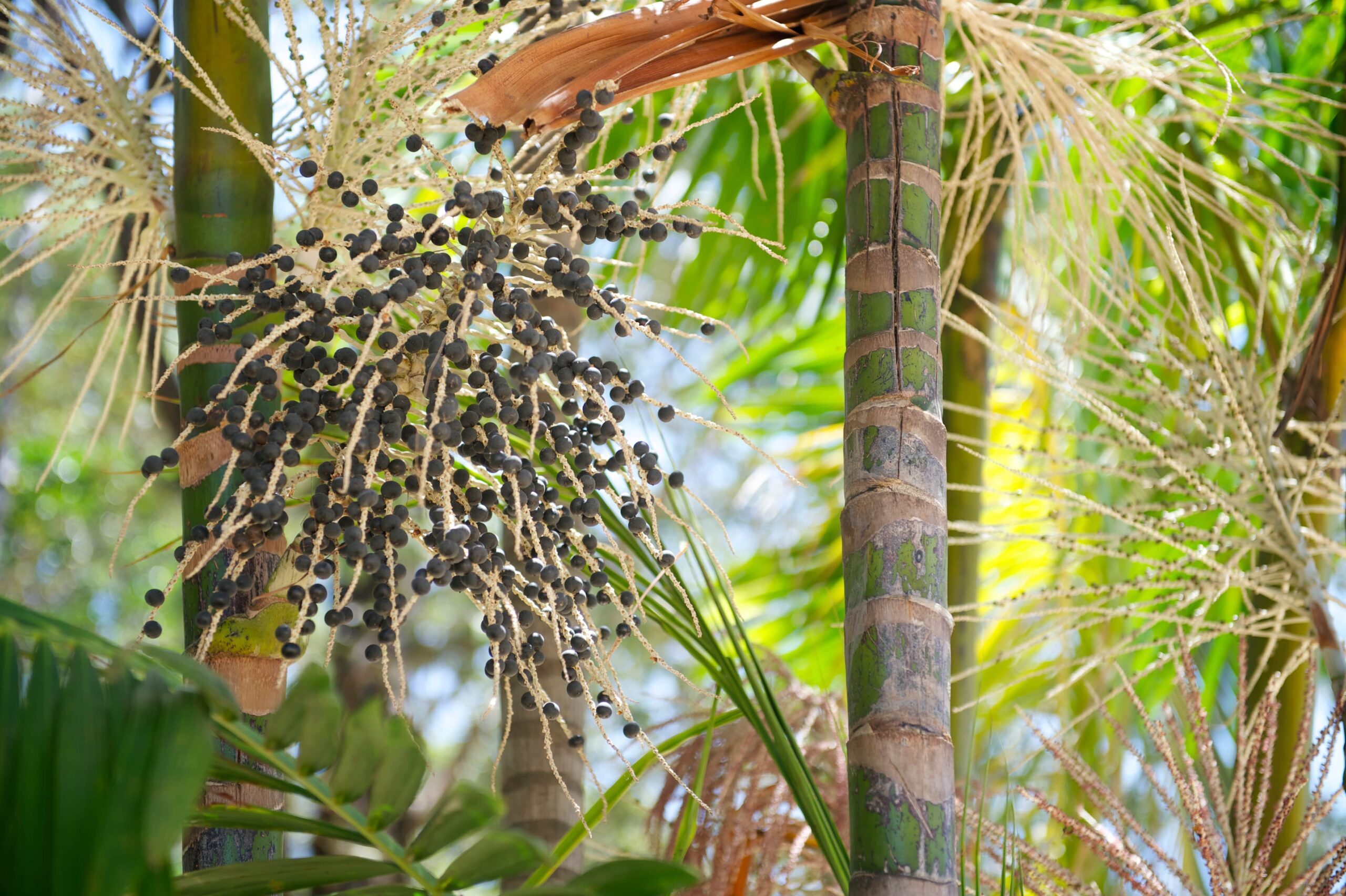
Acai berries are small, dark-colored berries (they look a lot like blueberries) that come from the acai palm, which primarily grows in the Amazon area of South America. In addition to containing natural sugars and fiber, acai berries have a higher healthy fat content than most berries, which helps to keep a high level of satiety.
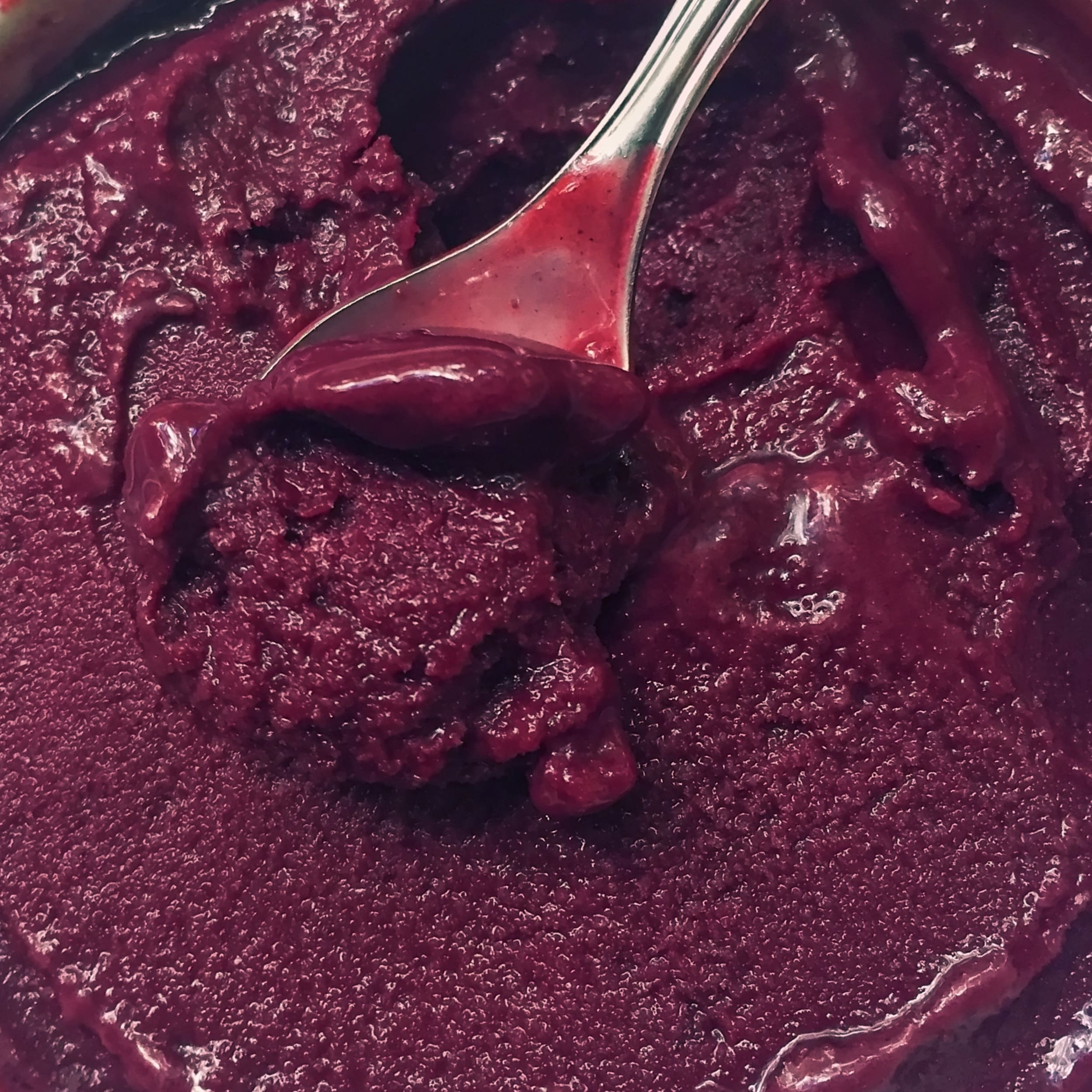
The acai berry has a shorter shelf life than other similar fruits, which means it can’t be transported in its freshest state to other areas or countries outside where it’s grown. This means that unless you’ve visited the Amazon region, you’ve likely only eaten acai as a frozen purée or in freeze-dried powder form. It can spoil in a day, so like we mentioned, it’s hard to transport.
Another way in which acai differs from most berries is the fact that acai berries have pits. In fact, the acai pit is usually large enough to make up as much as 80% of the berry itself. This is similar to other foods like dates, apricots, and even olives. However, since acai is typically used in the same contexts as other berries, it’s considered to be a member of the berry category.
Native Uses of Acai
Acai has become extremely popular in the United States as a soft-serve–style snack or a refreshing beverage, but what is acai’s purpose in its native region? Since before recorded history, acai berries have been an essential part of the diets of indigenous tribes in the Amazon region of South America. In fact, acai may make up as much as 25% of the daily food intake of an indigenous person in the area.Acai berries are hard and difficult to eat straight off the tree, even if they’re completely ripe. To make them easier to consume, indigenous Amazon tribes will soak them in water until the tough skin becomes soft and mash them up to create a paste.
What Is Acai’s Flavor Profile?
In their most natural state, acai berries have a unique taste that sets them apart. While most berries taste sweet when ripe, acai berries have an earthy, bitter taste that contains hints of dark chocolate and blackberry.However, since most people consuming acai aren’t consuming fresh acai berries, the taste that U.S. residents generally associate with acai is a refreshing mixture of fruity sweetness and tartness.
Both frozen acai purée and fresh-pressed acai juice have added sweeteners and extra ingredients to help bring out the pleasant notes in the acai berry.
.
Similar Foods to Acai
The most similar fruits to acai are other pitted fruits like apricots, peaches, and dates. However, most fruits that U.S. residents are familiar with don’t have the same flavor profile as acai and are only similar in their type of plant.
Acai berries grow from trees called acai palms, making them similar to other fruits that grow from palm trees, such as coconuts and bananas. The flavor profile of acai as we know it in the U.S. can be described as tropical and sweet, which means it pairs great with other tropical tastes like pineapple, coconut, and mango.
Potential Health Concerns with Acai
Most healthy people shouldn’t have any adverse effects from eating acai. Like any food, however, you should refrain from consuming too much and creating an imbalance in your diet. You can ask your doctor about a healthy level of daily fruit consumption for your health needs.Some people with specific allergies may have a negative reaction to eating acai or foods that contain acai. If you are allergic to pollen, ask your doctor whether acai is safe for you, as this berry could potentially aggravate your allergy.
Though acai itself is considered to be a health food, most acai products that we consume in the U.S. have added ingredients due to the fact that fresh acai berries aren’t available outside of where they grow. This means that you should always be checking the listed ingredients of the acai-based products you consume to make sure they don’t contain any additives that could cause negative health effects for you.
What is acai’s sugar content? Though fresh acai berries tend to have an earthy, bitter taste that is unlike the flavor of other ripe fruits, these berries still contain a relatively high amount of sugar. Additionally, the most common acai-based products like acai bowls and pressed juices typically have some added sugar or are mixed with other fruits. If you are watching your sugar intake for health reasons, you may want to enjoy your favorite acai products in smaller quantities.
Health Benefits of Acai
What is acai’s value when it comes to boosting your health and wellness? There is a wide variety of distinctive health benefits associated with acai berries and their regular consumption. Let’s take a look at a few of the most common benefits of including acai in your regular diet.Packed with Antioxidants
“Antioxidants” is a buzzword that’s been sweeping the health and wellness industry for many years now. Antioxidants are naturally occurring substances that play a significant role in stopping or slowing the damage caused in our body by free radicals, which are unstable molecules that are naturally produced as a reaction to stressors.According to the Journal of Agriculture and Food Chemistry, acai berries contain a significant amount of anthocyanins, a specific form of antioxidants that are typically found in plants. The more antioxidants you consume in your diet, the better your internal systems are equipped to fight off the harmful effects of stress and environmental hazards on your body.
Antioxidants can help to reduce inflammation throughout the body, which has been shown to ease the symptoms of those who suffer from chronic pain.
Better Heart Health
The antioxidants found in acai berries aren’t only effective at fighting off the free radicals caused by stress in your body. Anthocyanins are also associated with the reduction of LDL cholesterol, which is known as bad cholesterol.This means that regular consumption of these antioxidants alongside other healthful habits like exercise and stress reduction can help to boost your heart health and reduce your risk of heart disease in the future. This could include lower risks of heart attack, stroke, high blood pressure, and blood clots.
Clearer Thoughts and More Mental Sharpness
Aside from the other helpful benefits of antioxidant consumption, these powerful compounds have been shown to improve brain function when regularly included in your diet. Antioxidants can potentially counteract brain aging and protect brain cells from oxidative stress, improving brain function and longevity.The brain regulates itself through a process called autophagy, which cleans out unusable or damaged brain cells to make room for new, healthy cells to be created. Typically, the autophagy process becomes less efficient as you age, but consuming antioxidants, keeping up habits like exercise and a healthy diet, and stimulating your brain regularly can help to keep this process working properly.
Smoother Digestion
Acai berries are packed with fiber, which can be a significant benefit to those who consume them, whether they eat the berries in their freshest state or as acai-based purées and juices. They act as a cleanser for the colon and other intestines and keep the body in tip-top shape. Regular fiber consumption can help to keep the digestive system working smoothly and relieve bloating, constipation, and other digestive issues.Stronger Immune System
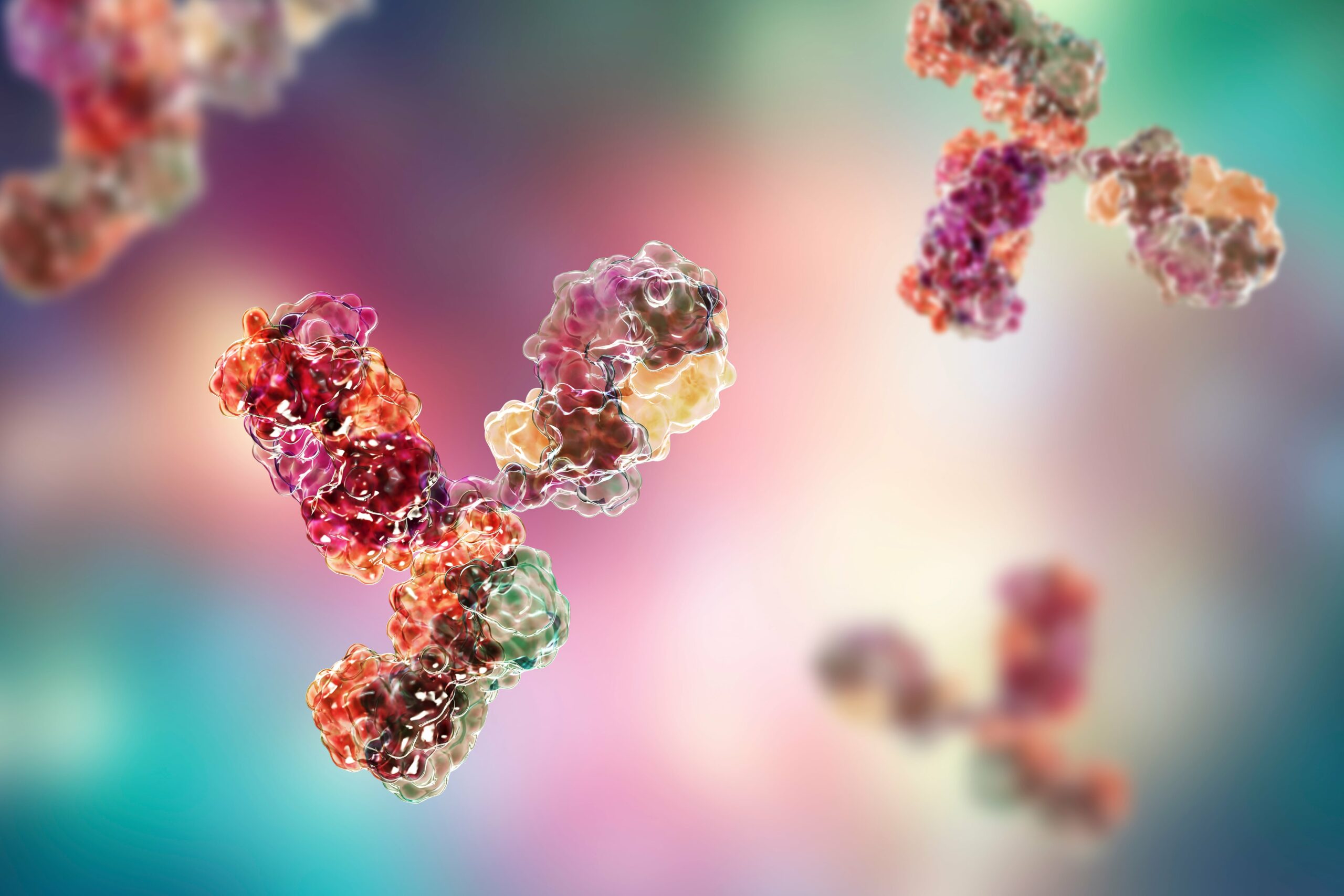 Acai is an excellent source of many vitamins and minerals, but one of the most important is vitamin C, which helps to keep the immune system strong. They have equal to or often times more Vitamin C than blueberries. Antioxidants also play a role in strengthening the immune system by combating free radicals and helping to prevent many types of disease.
More Energy Throughout the Day
When most people think of food items that boost their energy, they think of coffee and other products that contain caffeine. Though acai is caffeine free, the berry’s extract has been connected to increased energy and reduced fatigue, according to a study in the Applied Physiology, Nutrition, and Metabolism journal.Where Can I Get Acai?
Now that you understand a bit more about the health benefits you could enjoy by including more acai in your diet, you may be wondering where you can find some yourself.Since fresh acai berries can’t be purchased outside of the areas in which they grow and thrive, you likely won’t be able to find a container of these berries in the fruit section of your local grocery store. However, many health food stores carry frozen acai berries, pre-made acai purée, and acai powder.
Best Ways to Eat Acai
There are many ways to consume acai, and they’re all delicious! Many health nuts enjoy acai bowls, which consist of an acai-based fruit purée topped with a variety of different fruits, nuts, seeds, and drizzles, depending on your preference.Fresh-pressed juices that contain acai extract are another popular way to consume this superfood. Though acai’s tropical, tangy flavor tends to mix best with sweet, tropical fruits like mangos and pineapples, it can be a delicious addition to a variety of different juice blends.
Acai powder can be consumed in a variety of ways. You can sprinkle it into smoothies to add a tangy flavor and some quick nutrients, or you can blend it with milk or water to enjoy a light, refreshing beverage.
Which Toppings Should I Add to My Acai Bowl?
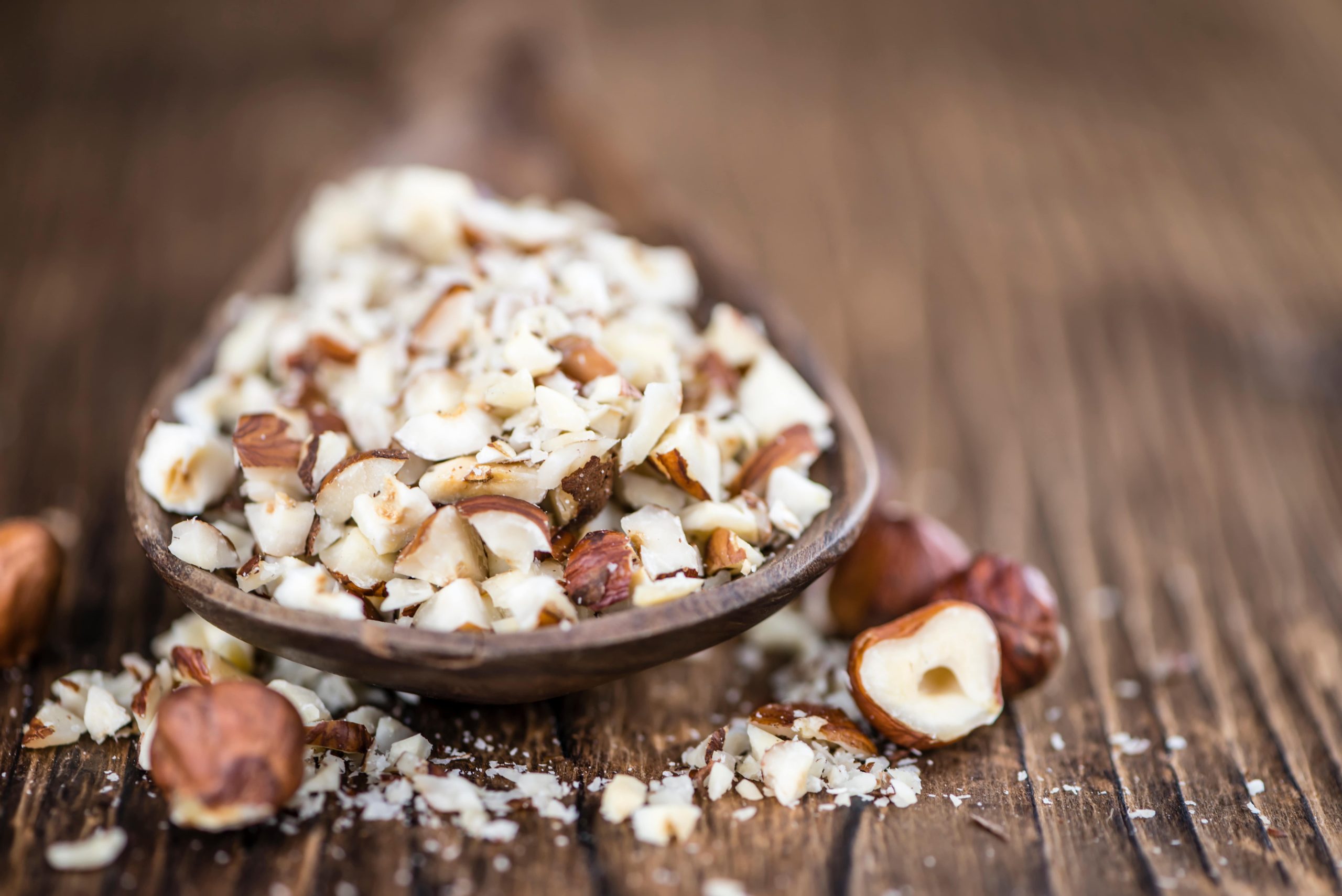
When it comes to the best toppings to add to an acai bowl, the possibilities are nearly endless. Acai & frozen fruit pure works as a delicious base for a variety of different flavor profiles, whether you’re looking for a sweet treat or something a bit more substantial.
If you want to create the most nutrient-dense and satisfying meal possible from your acai bowl, you should include nut butters, chopped nuts, or hemp seeds to combine healthy fats and protein with the vitamins and carbohydrates provided by the acai. Looking for a simple, healthy dessert? Top your acai base with some chopped fruit and drizzle honey on top!
Fresh Acai Delivered Right to Your Door with Clean Juice
In many places, frozen acai and other forms of this nutrient-packed berry can be difficult to find at typical grocery stores. If you want to include acai in your daily diet but finding acai near you is too much of a hassle, we’ve got you covered at Clean Juice.Order one of our acai bowls online! We have over 120 locations in the US and probably have a store near you.
Sources:
- 13 Important Benefits Of Acai Berries
- Pharmacokinetics of anthocyanins and antioxidant effects after the consumption of anthocyanin-rich acai juice and pulp (Euterpe oleracea Mart.) in human healthy volunteers
- Dietary supplementation with the polyphenol-rich açaí pulps (Euterpe oleracea Mart. and Euterpe precatoria Mart.) improves cognition in aged rats and attenuates inflammatory signaling in BV-2 microglial cells
- Consumption of açai (Euterpe oleracea Mart.) functional beverage reduces muscle stress and improves effort tolerance in elite athletes: a randomized controlled intervention study
Disclaimer: The information presented here is for educational purposes only and is in no way intended as a substitute for medical counseling. Consult your doctor before using any health treatment, including natural remedies, and tell your doctor if you have a serious medical condition or are taking any medications.
Like any food, however, you should refrain from consuming too much and creating an imbalance in your diet. You can ask your doctor about a healthy level of daily fruit consumption for your health needs.
Some people with specific allergies may have a negative reaction to eating acai or foods that contain acai. If you are allergic to pollen, ask your doctor whether acai is safe for you, as this berry could potentially aggravate your allergy.
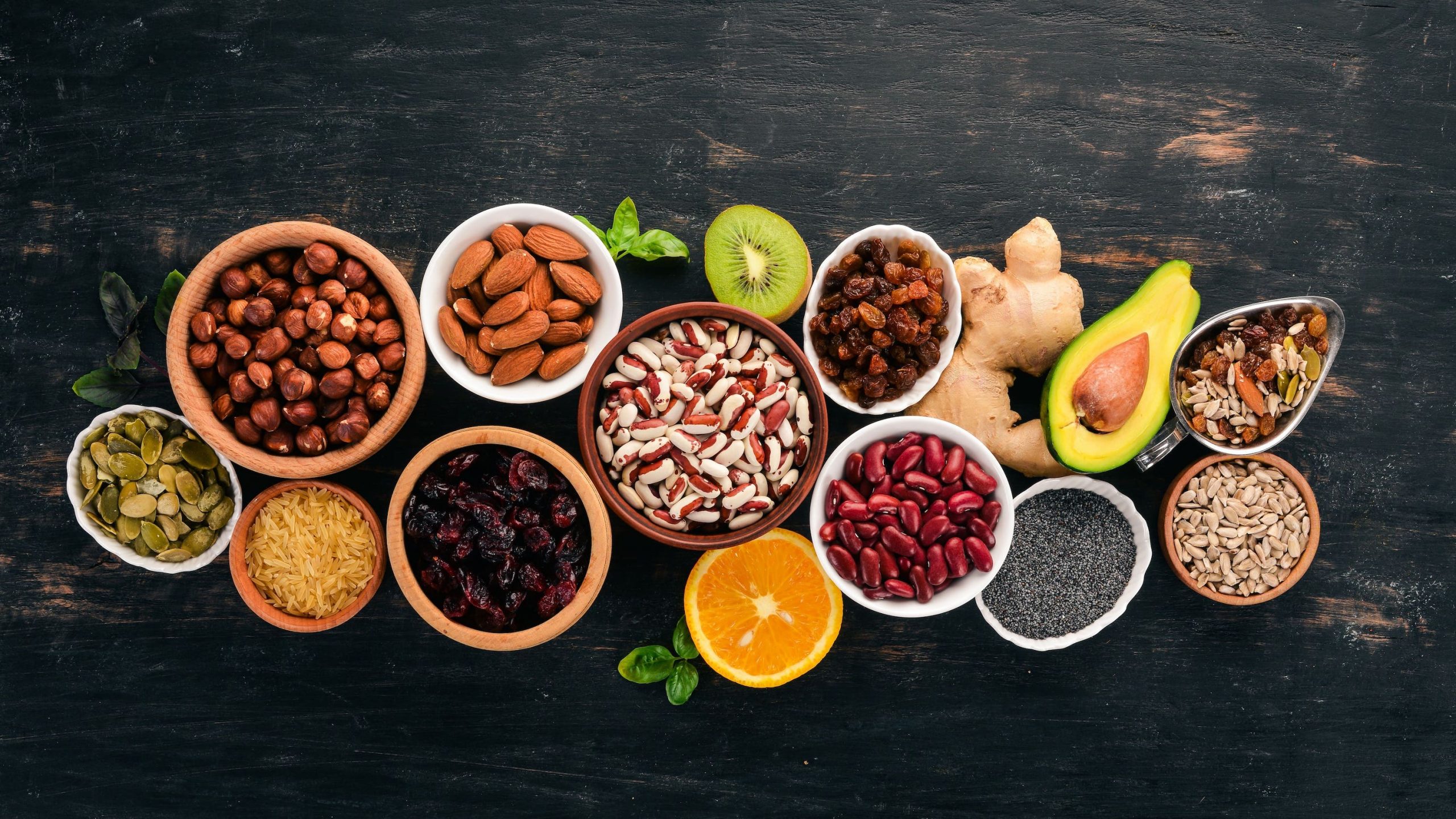
6 Fascinating Health Benefits of Ginger and Other Delectable Superfoods
If you’re interested in keeping up a high level of health and wellness, you’re likely always on the lookout for new information about nutrition. What we eat heavily impacts our longevity as well as our experience from day to day, from our overall energy levels to the functioning of our internal organs and everything in between.
The healthiest people tend to include nutrient-packed foods, or superfoods, into their diets as much as possible. When it comes to superfoods, much of the research and science may not necessarily be new. Instead, it has been collected for hundreds or even thousands of years and has finally come to the forefront in the modern wellness industry.
One of the most popular superfoods these days is ginger. Sometimes considered to be a root and sometimes a spice, depending on how it’s presented, ginger is jam-packed with a variety of vital nutrients that your body needs to thrive. Additionally, many people like to include it in their recipes for the flavor and smell alone, which is extremely distinct and considered delectable to many.
Table of Contents:
- What is ginger?
- Where does ginger come from?
- How has ginger been used throughout the world?
- Health benefits of Ginger
- Why ginger is used to cleanse the body?
- How does ginger affect juices, smoothies, and teas?
- Other uses for ginger
- Best ways to consume ginger for sensitive stomachs
- Where to find ginger near you
- Can ginger be harmful?
- Ginger vs other superfoods
- What can I pair with ginger?
- Other superfoods to eat
- Where to find delicious fresh juices with ginger in it
What Is Ginger and Where Does It Come from?
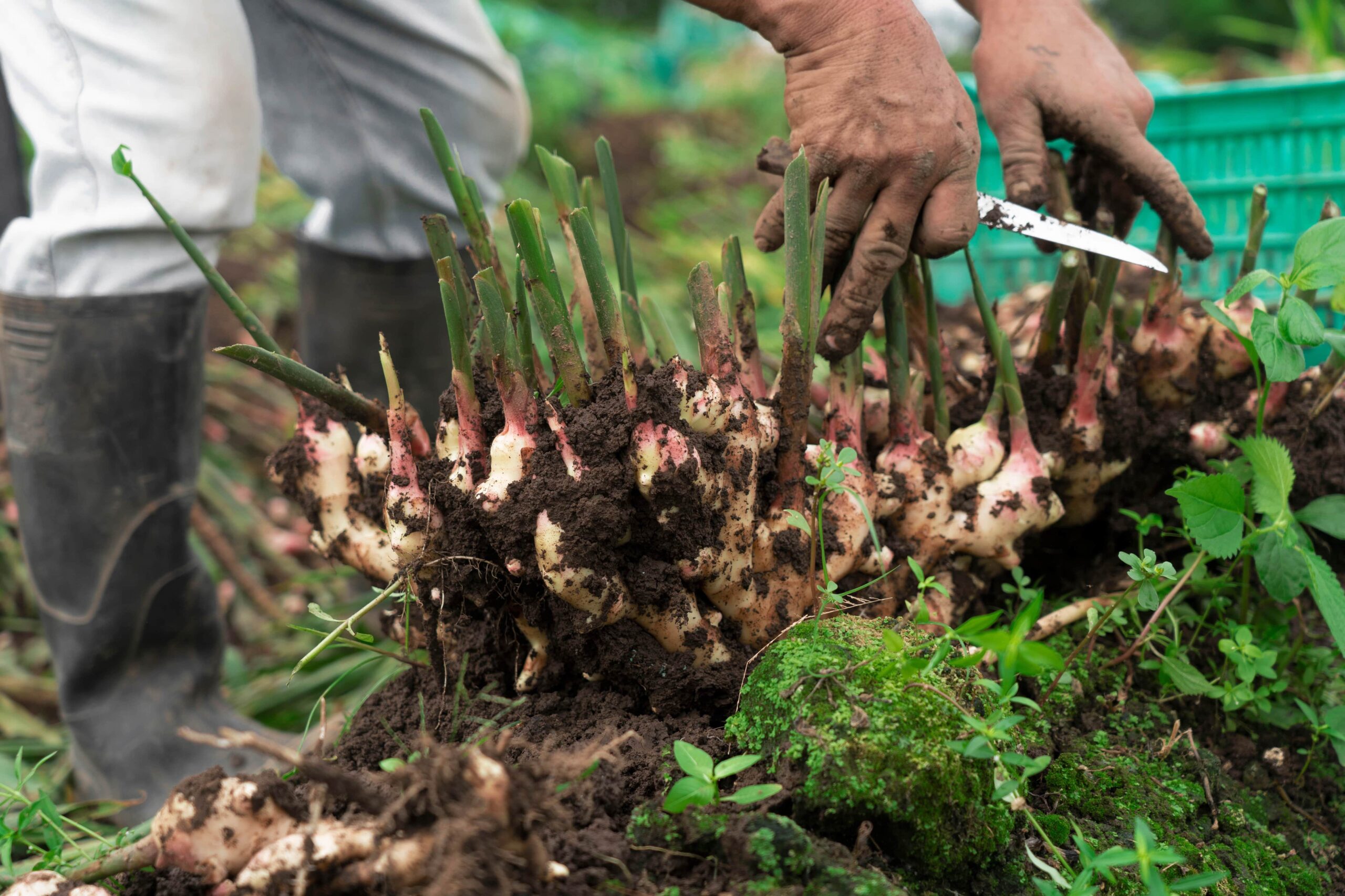
Ginger is a root that is plentiful throughout Asia, particularly in the continent’s southeast region. Ginger belongs to a plant family called Zingiberaceae, which also includes other well-known plants and spices throughout the world, such as cardamom, galangal, and turmeric. Ginger has a fat, knobby appearance, has a very aromatic smell, and is native to humid, partly-shaded habitats.
For hundreds of years, ginger has been used in a variety of Asian dishes to enhance the flavors of the other ingredients and add a tangy kick to the taste. However, the medicinal uses of ginger have been studied and honed for just as long as its culinary uses, and many are still backed up by modern science today.
How Ginger Has Been Used Throughout the World
The earliest recorded medicinal uses of ginger occurred as long ago as 500 B.C. Chinese and Indian cultures used the root at that time to treat a variety of ailments, including digestive issues, inflammation, nausea, and increased immunity against disease.
The most significant medicinal property of ginger comes from gingerol, the root’s primary bioactive compound. This compound is known throughout the world to have powerful antioxidant and anti-inflammatory powers, allowing it to help the body reduce free radicals and support overall good health when consumed regularly.
Though modern medicine has largely reduced the need for homeopathic medicine in Asia and throughout the world, many people still use the benefits of ginger today to supplement their health practices. The root can be consumed in many forms, making it easy to incorporate into your daily food intake with ease.
Health Benefits of Ginger
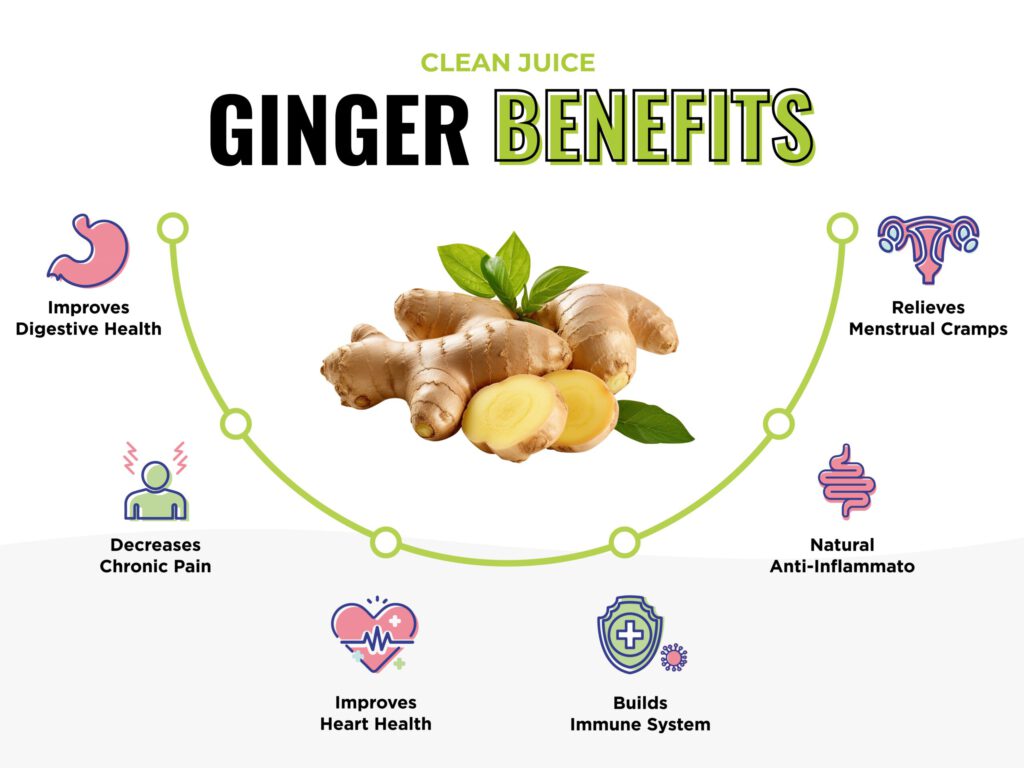
With the many incredible health benefits of ginger that are still celebrated today, it’s no wonder why this unique spice has endured as a primary health-boosting property for so many generations. It has even earned the official “superfood” title. Let’s take a look at just a few of the desirable health benefits of regular ginger consumption.
A More Balanced Gut
Your gut contains both good and bad bacteria. When your levels of good bacteria are too low, your gut can experience regulation issues, causing painful symptoms like bloating and nausea. Ginger can help to contribute to a better balance of bacteria in your gut, reducing your experience of uncomfortable gut-related symptoms.
Additionally, ginger is known to be an effective supplement to include in your regimen if you’re experiencing morning sickness or any other type of chronic nausea. If you’re having trouble consuming ginger with food or beverages, ginger chews can be a great way to help your upset stomach. Ask your doctor if ginger could be an effective addition to your health habits.
Faster Digestion
If you struggle with chronic indigestion, ginger can be a helpful tool to reduce your symptoms and help you digest food more effectively. In this 2011 study, researchers found that those with indigestion digested a meal approximately 25% faster when they consumed a ginger capsule before eating compared to those who took a placebo pill before eating. The enzymes in Ginger can help break up and expel any gas that may be built up in the stomach, providing relief and making you feel more comfortable overall.
It’s also shown to help with nausea which is why you’ve probably been told a time or two when you’ve been under the weather to “drink some ginger ale.”
More Manageable Periods
The menstrual cycle can be a major source of pain and discomfort for women. Though some women have a relatively smooth menstrual cycle, free of excessive cramping or bloating, some women experience severe symptoms that can drastically reduce their quality of life.
Studies have shown that a 250-milligram dose of ginger powder has been found to be just as effective at reducing menstrual pain as many major over-the-counter pain relievers. If you prefer to use all-natural remedies whenever possible, this means you can try swapping your pain medication for ginger products in the first few days of your period and likely see similar benefits.
Better Heart Health

Ginger is known to create many of the same effects as blood-thinning medication, which helps to prevent blood clots and therefore reduces your risk of cardiovascular issues like strokes or heart attacks. Regular consumption of ginger can also help reduce high blood pressure and cholesterol, which are both risk factors for heart disease.
Less Chronic Pain
Ginger’s main bioactive compound, gingerol, can create many positive health effects. However, one of the most significant is its ability to reduce inflammation throughout the body and therefore relieve certain types of chronic pain. Ginger can be used as an effective supplement to your health regimen if you suffer from health issues that cause you chronic pain.
A Stronger Immune System
Due to the anti-inflammatory and antioxidant benefits of ginger, consuming this substance regularly can lead to a stronger immune system over time and an increased ability of your body to fight disease. That means a reduced chance of developing minor illnesses like colds as well as more severe ones like the flu.
Why Ginger Is Used to Cleanse the Body
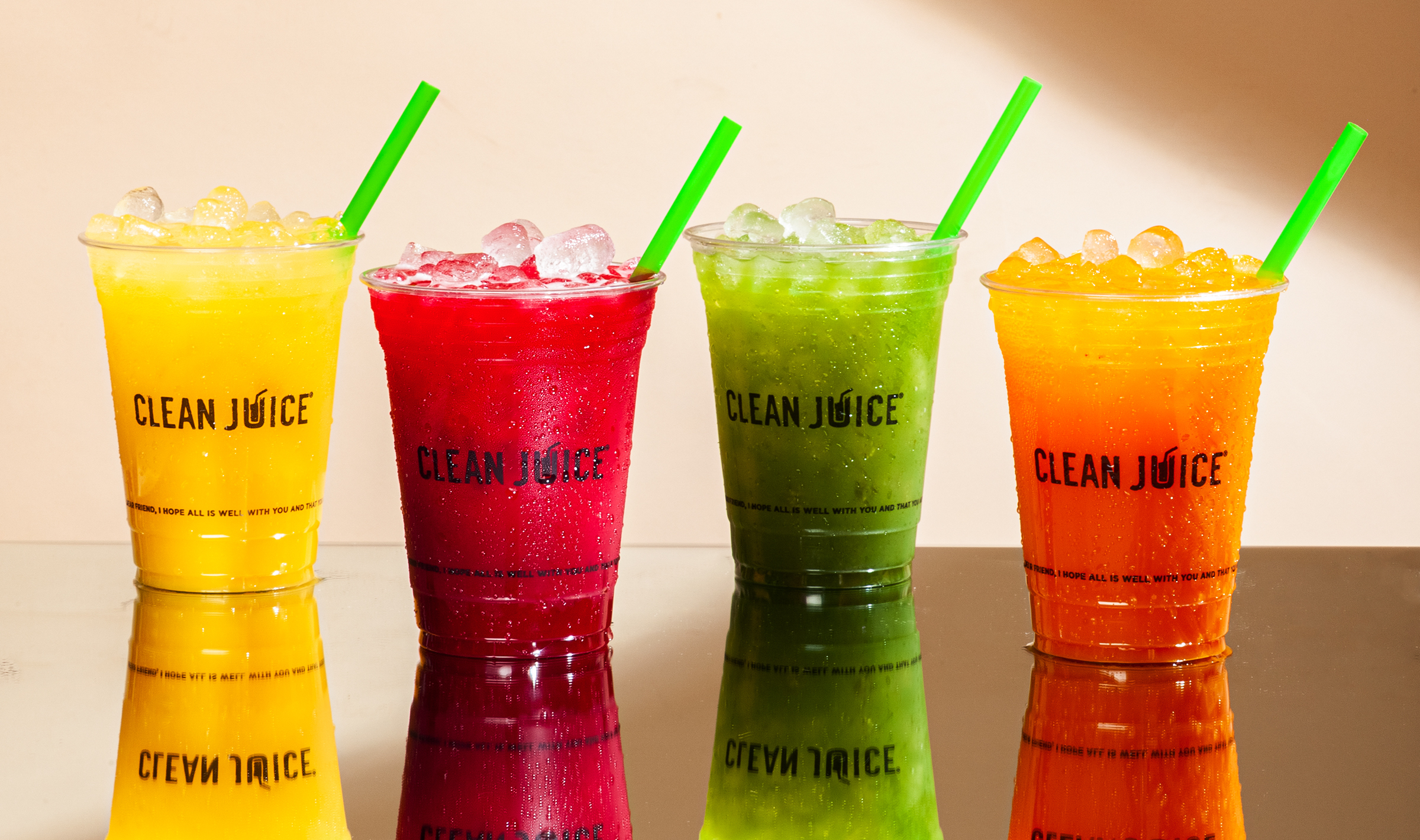
Cleanses are an effective way to clear your system of harmful toxins, improve your energy and fitness levels, and get your wellness habits back on track. Cleanses can take many forms, but juice cleanses are the most popular format because they’re easy to incorporate into your daily life and are delicious, to boot!
With the nearly endless health benefits of ginger, it’s no surprise that many of the best juice cleanses include ginger in their recipes. Not only can ginger be a great source of antioxidants and vitamins in your cleanse, but it can also positively affect the taste of your juices and make the process even more enjoyable.
How Does Ginger Affect Juices, Smoothies, and Teas?
Ginger can be a delicious addition to a juice cleanse or simply to your favorite daily smoothie or tea. If you’ve ever had ginger ale or ginger beer, you’re familiar with the signature tangy kick that ginger can provide. When the ginger is fresh, this kick can be even more powerful and truly elevate the taste of your beverage.
How Else Can Ginger Be Used?
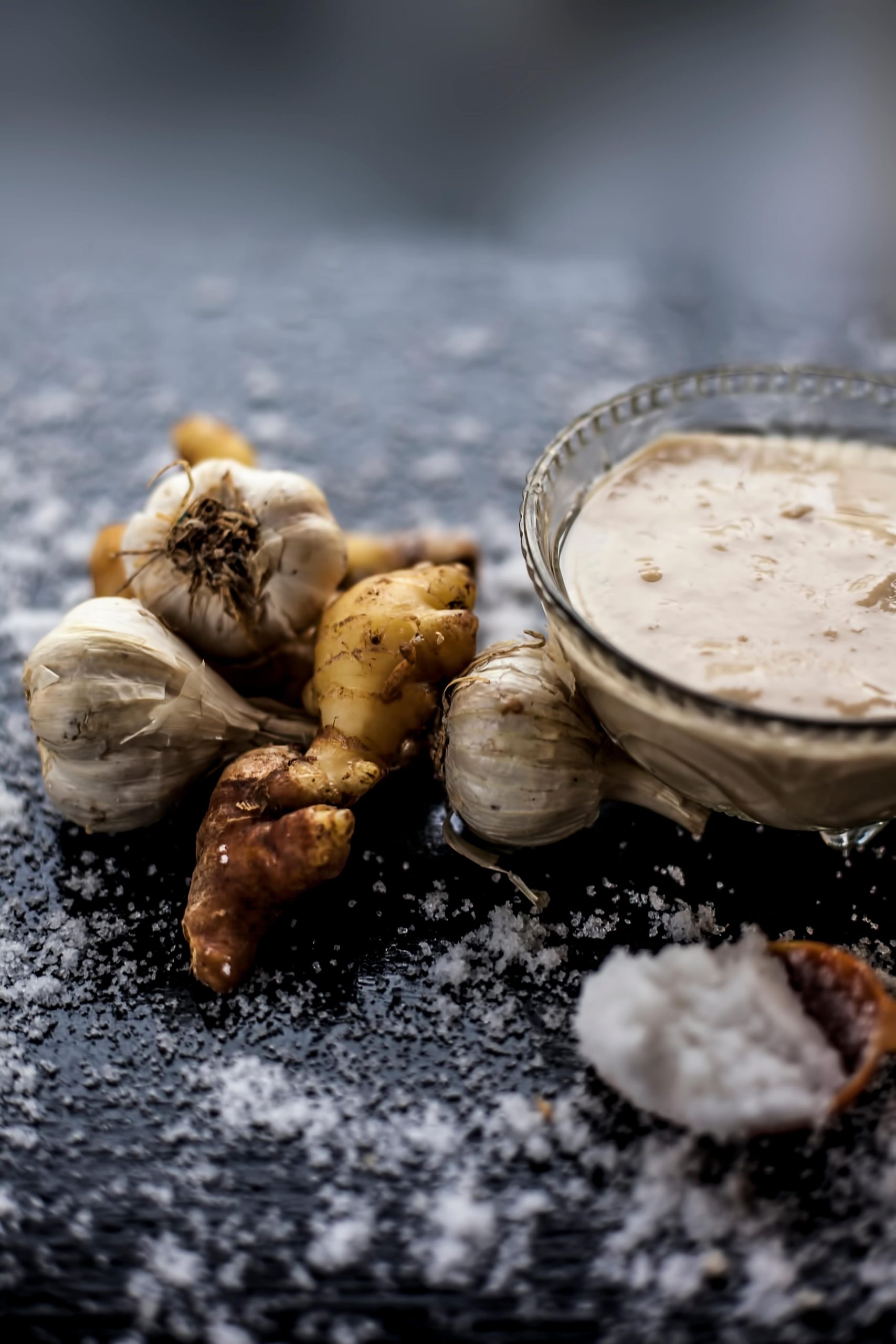
Interested in incorporating more ginger into your diet outside of juices and smoothies? There are many delicious and effective ways to get all of the benefits of ginger into your daily food intake.
Ginger works well as a flavor enhancer for meat dishes like chicken or beef. Try preparing your next meal with some ginger powder or fresh ginger pieces mixed into your glaze to enjoy the health benefits as well as the unique flavor of this root. Additionally, many soup recipes can be enhanced by some fresh ginger shavings or ginger paste.
Best Ways to Consume Ginger for Sensitive Stomachs
If you tend to have a sensitive stomach, you may avoid spices habitually. However, regular consumption of ginger could actually help to reduce nausea and gut sensitivity. Introduce ginger into your diet slowly in order to reap its benefits without upsetting your stomach.
One of the best ways to gently introduce ginger to your diet is with ginger tea. If you think fresh ginger tea made from sliced ginger root might be too much to start with or you don’t have access to fresh ginger, you can always purchase bagged ginger tea. This alternative will provide many of the same benefits and help you get used to the flavor and smell of ginger.
Where to Find Ginger Near You
Fresh ginger root can be purchased at health food stores as well as most major grocery stores nationwide. If you’re unsure of whether your preferred grocer sells ginger or not, you can always call before visiting and ask. If not, they’ll likely be able to recommend a different establishment that has fresh ginger in stock.
You can keep fresh ginger in your refrigerator for several days or even freeze it if you can’t use it right away. Just make sure to peel and chop your ginger root before freezing. If you purchase ginger as a paste or powder, it will have a shelf life of several months before losing its potency. Ginger powder and paste are great alternatives to fresh ginger for people who don’t have the time to properly peel or chop fresh ginger.
Many health food stores also offer ginger in capsule form in their supplement section. If you don’t enjoy the taste of ginger but would like to reap its health benefits or your doctor has recommended ginger to you, supplements can be a great way to still include the benefits of ginger in your wellness routine.
Can Ginger Be Harmful?
There are no studies to show that ginger is inherently dangerous for any individual. However, some research has shown that those who are regularly taking blood-thinning medications may want to consult with their doctor before introducing ginger into their diet on a regular basis, as ginger can also have a blood-thinning effect.
Additionally, though the benefits of ginger have been studied for many decades, many of its health effects are still being researched and aren’t completely understood. If you’re unsure whether ginger would be a healthy addition to your wellness routine, ask your doctor if any of your health details might make ginger unsafe for you.
Ginger vs. Other Superfoods: How Does It Compare?
Ginger isn’t the only food item that’s earned the title of “superfood.” Many other healthful foods have earned this title due to their wealth of vitamins, minerals, and health-boosting compounds. Just like ginger, many superfoods have the added bonus of a unique and delicious flavor profile that can elevate the taste of anything from a dinner entrée to a juice cleanse.
Other Superfoods to Include in Your Diet
Including other superfoods like blueberries, avocado, cacao, hemp seeds, and coconut in your diet can massively boost your health both physically and mentally. Ginger isn’t the only food item that can offer a long list of health benefits. In fact, many of the other foods deemed to be “superfoods” have distinctive benefits that boost health in different ways than ginger does.
Many of these superfoods have positive effects on cognitive function and mood, which can improve your quality of life significantly. Items like avocado and hemp seeds are also packed with healthy fat, a major macronutrient that’s crucial for physical energy throughout your day.
Ginger Root Vs. Powder
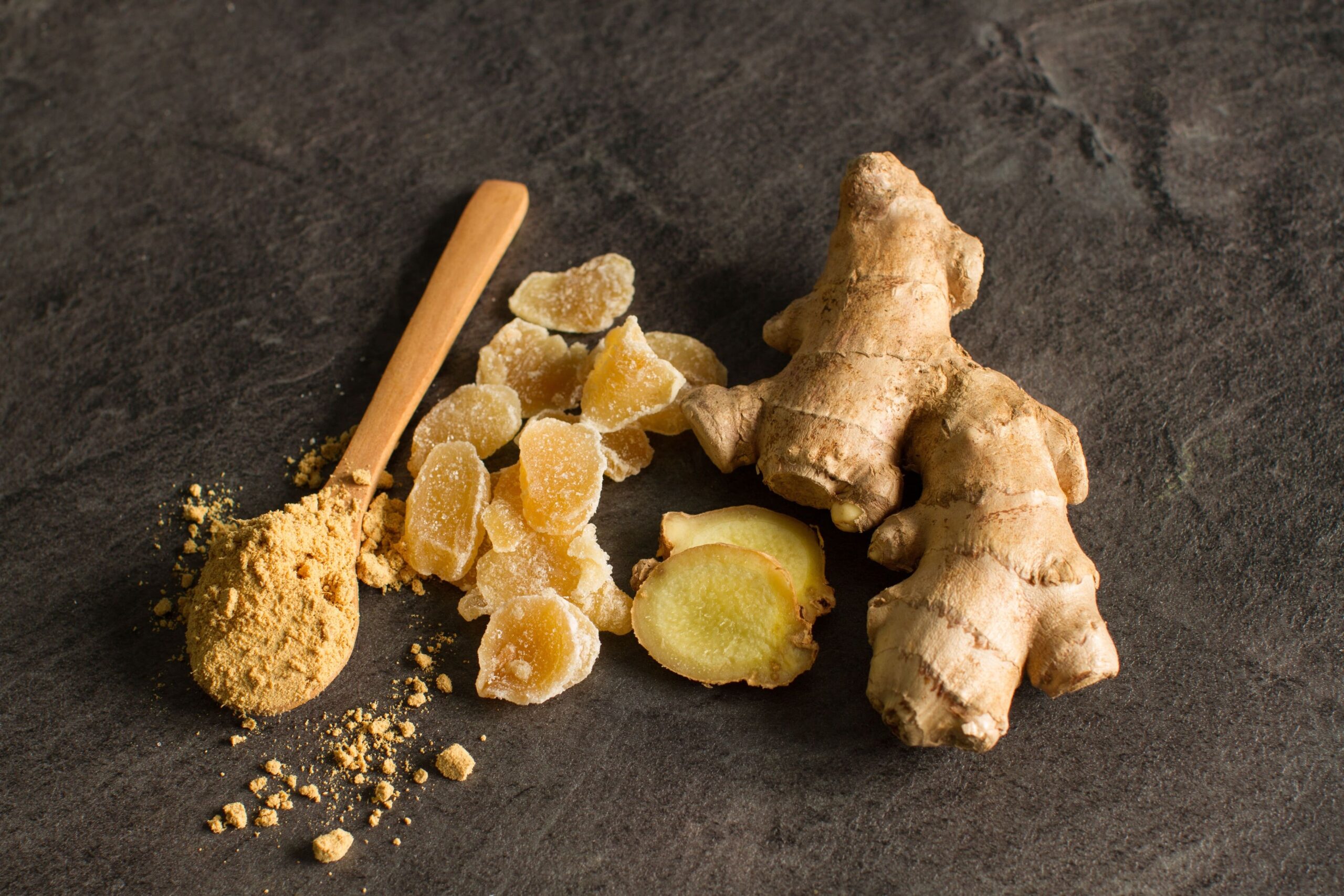
Ginger root and ginger powder are both derived from the same plant, but they differ in their texture and taste. Ginger root is a knobby, brown-skinned root with a spicy, pungent flavor and a fibrous texture, whereas ginger powder is a fine, beige-colored powder with a more concentrated flavor and smoother texture. Ginger root is often used in cooking to add flavor and heat to dishes, while ginger powder is more commonly used in baking, beverages, and as a seasoning for meats and vegetables. Ginger root is also prized for its potential health benefits, such as reducing inflammation and nausea, and can be eaten raw, cooked, or brewed into tea. In contrast, ginger powder is more convenient to use and store, but may lose some of its flavor and potency over time. Ultimately, whether to use ginger root or ginger powder depends on the recipe and personal preference.
What Can I Pair with Ginger?
Ginger can act as a delicious addition to a variety of dishes and recipes, but which superfoods pair the best with this nutrient-packed root? Ginger’s spicy taste tends to pair best with foods that have a neutral or sweet taste, such as avocado, blueberries, or coconut. All of these superfoods and more can create delectable concoctions in the form of a fresh-pressed juice or a nutrient-packed smoothie.
Find Delicious Fresh Juices Packed with Ginger and Other Superfoods at Clean Juice
Ready to incorporate the benefits of ginger and other superfoods into your life but not sure how to include them in your daily diet? Changing your habits can be difficult, but our expertly prepared juices from Clean Juice make it easy to get all of the essential micronutrients you need to live a healthy life. And we can deliver your personalized juice cleanse right to your door!
Order online today to try our all-natural, organic fresh-pressed juices, cold-pressed juices & smoothies or experience the incredible health benefits of juice cleanses.
Sources:
- Effect of ginger on gastric motility
- Comparison of effects of ginger, mefenamic acid, and ibuprofen on pain in women with primary dysmenorrhea
Disclaimer: The information presented here is for educational purposes only and is in no way intended as a substitute for medical counseling. Consult your doctor before using any health treatment, including natural remedies, and tell your doctor if you have a serious medical condition or are taking any medications.
There are no studies to show that ginger is inherently dangerous for any individual. However, some research has shown that those who are regularly taking blood-thinning medications may want to consult with their doctor before introducing ginger into their diet on a regular basis, as ginger can also have a blood-thinning effect.
If you’re unsure whether ginger would be a healthy addition to your wellness routine, ask your doctor if any of your health details might make ginger unsafe for you.
How to Detox Your Body
“Detox” is a popular buzzword in the wellness industry these days, and you’ve likely heard about it if you’re interested in fitness and healthy eating. But what exactly is a detox, and what does it entail?
Table of Contents:
What is a detox?
A detox, or detoxification, is any specific protocol designed to help people cleanse toxins from their bodies and increase their health and well-being.
Toxins such as pollutants or poisons can find their way into our systems through the food we eat and the air we breathe, causing issues with a variety of bodily functions that can range from mild to significant.
The human body already has many safeguards against toxins, and it eliminates toxic substances naturally through the kidneys, liver, skin, and digestive system. However, a detox can help to speed up this process and lead to a drastic change in your physical and mental wellness in a short amount of time.
How Can I Tell If A Detox Would Benefit Me?
Different types of detoxes can help to ease a variety of unwanted symptoms. You may want to consider a detox if you’re experiencing any of the following:
- Bloating
- Acne
- Fatigue or sluggishness
- Brain fog
- Worse than normal allergies
- Irregular bowel movements
A detox can help to reduce inflammation in your GI tract and heal your gut, both of which have a great deal of influence over your digestive health as well as several other aspects of wellness.
How Does a Detox Work?
The intention of a detox is to reduce the number of toxins in your body, which can help to protect you from illness and disease while also improving the health and function of your internal systems.
This not only cleanses your organs of toxic substances but also lightens their load by encouraging the flushing of these toxins through specific practices.
Detox Examples
If you’re wondering how to detox your body to get the best results, there are many different ways to do a detoxifying cleanse that vary based on your needs and what types of toxins you’d like to focus on eradicating.
To detox your digestive system and get rid of bloating or other gut issues, your main priority should be giving your digestion a break by doing an extended fast, juice cleanses like the options we have laid out, or other special diet protocols.
If you’re looking to eradicate the harmful effects of stress from your life, you should prioritize getting enough quality sleep and including mindfulness practices in your daily routine.
However, some detoxes can positively affect more than one bodily function, leading to a healthier digestive system, clearer mind, and much more. Let’s take a look at some of the most effective ways to cleanse your body of harmful toxins and the specific health benefits that they can offer you.
10 Effective Ways to Detox
Detoxing doesn’t have to be difficult, expensive, or even time-consuming. In fact, you can balance many types of detoxes with your typical daily activities, making it easy to live your life as normal while enjoying the various health benefits of a cleanse. Additionally, you may even find that some of the practices you pick up during your cleanse become lifelong healthy habits.
1. Stay Hydrated
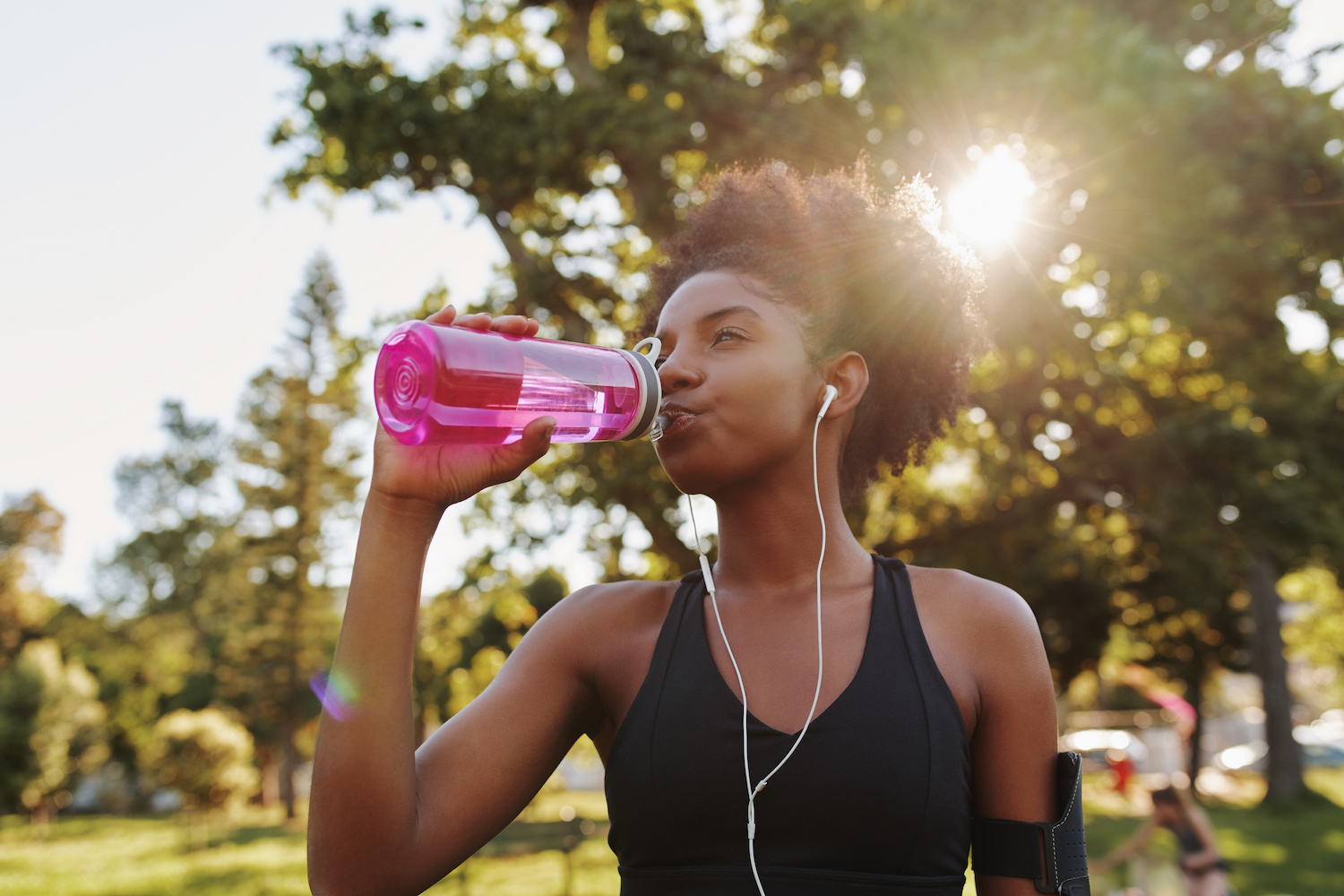
Drinking enough water is a crucial element of good health that many people neglect. The simple act of focusing on hydration can have incredible detoxification effects and reduce unwanted symptoms such as bloating, poor or slow digestion, acne or dull skin, and fatigue.
Start your day with a glass of water to kickstart your digestion and metabolism, and continue drinking throughout the day to feel the benefits. Adding lemon to your water can provide added health advantages as well.
2. Limit Stress and Increase Quality Sleep
Stress is more dangerous than one may first think and is one of the biggest detriments to good health. Unlike external toxins like poisons and pollution, stress is created within our bodies. It is closely linked to the hormone cortisol, which can create a variety of unwanted effects such as high blood pressure, weight gain, heart disease, and high cholesterol. Stress can affect your body, your thoughts, and emotions, as well as your behavior and is something we need to learn to recognize early.
By reducing your stress with mindfulness practices and focusing on getting enough quality sleep, you can reduce the cortisol levels in your body. Some of the things you can do to reduce stress include drinking tea, hiking or connecting with nature, meditation or yoga, and breathing techniques. You can do one of these things or a combination of a few of them but either way, you need to take time for yourself.
As far as getting enough quality sleep, one of the biggest ways to do so is to ensure you create a restful environment. You want to create a haven for where you sleep. This could mean cool temperatures (a fan or air purifier may help), blackout curtains, and perhaps a sound machine. Another good idea would be to do something calming right before bed like taking a warm bath or participating in a yoga cooldown. Whatever you do, it’s advised that you don’t look at a screen right before you close your eyes.
3. Eat Less Sodium
Though salt is a big part of what makes our food taste good, eating too much of it can cause uncomfortable bloating and excessive water retention in the body.
By reducing your sodium intake over a period of several days, you can slowly drain the excess water retention from your body and get rid of bloat and gut issues. This method works great when paired with plenty of water to make sure your body is flushing out any extra sodium being stored.
4. Eat (and Drink) Organic
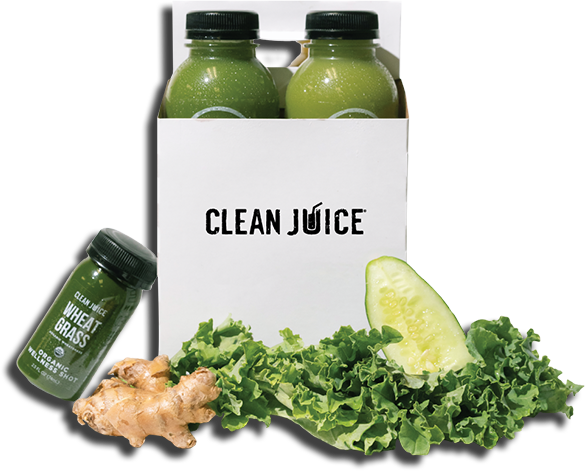
Keeping your food and beverages organic is a great way to avoid the pesticides and other pollutants that can make their way into produce and other food items. Additionally, organic food is sure to have all of the vitamins, minerals, and other nutrients that your body needs to feel and function its best.
5. Increase Circulation with Exercise
Most people include exercise in their health routine whether they’re detoxing or not, but the increased blood flow that exercise creates can have significant detoxing effects. When your circulation is boosted, all of your bodily systems become stimulated with increased oxygen and are able to function at their best.
While detoxing or doing any sort of juice cleanse, it is important to note that you should avoid high-intensity workouts. Increasing circulation is a helpful way to detox your body and improve digestion, but try to keep your exercise routine light and don’t push yourself. Focus on low intensity, low impact opportunities to get your body moving such as walking, cycling, stretching, or swimming.
6. Add Prebiotics and Probiotics to Your Daily Routine
Did you know that your digestive tract contains bacteria, some bad and some good? Though we generally think of bacteria as a bad thing, your gut contains good bacteria that reduce inflammation, fight infection, and detox bad bacteria.
You can encourage the health of your good bacteria and improve your gut’s natural detoxing process with prebiotics and probiotics.
The Difference Between Prebiotics and Probiotics
Probiotics are living bacteria strains found in certain supplements that work alongside the good bacteria in your gut to fight infection and inflammation and cleanse your gut of harmful bacteria. Prebiotics are specialized fibers from plants that can help your body prepare for the probiotics and provide all of the nutrients they’ll need.
7. Let Your Organs Rest Between Meals with Fasting
For many people, the time they spend sleeping isn’t quite enough for their digestive system to get the break it needs, especially if they tend to eat right before bed.
You can jumpstart your digestive health and cleanse your gut and digestive tract of waste and toxins by fasting. For most, this means reducing your daily eating window by a few hours and only drinking water during your fasting period.
Like all forms of dieting, and nutrition remedies, it’s important to note that all bodies are different based on age, sex, health, and nutrition history- and it’s possible some bodies may not react well to fasting. Consult your doctor, or talk to a professional before taking on a major fasting process.
8. Prioritize Antioxidants in Your Food and Drinks
Antioxidants are crucial for fighting free radicals, a common toxin known to damage cells and speed up the aging process. Additionally, foods and drinks that are antioxidant-rich are also rich in other vitamins and nutrients that support good health and optimal bodily function. Consider adding antioxidants to your diet more often if you feel they’re lacking.
A few high antioxidant foods (in their most raw form) include:
- Blueberries
- Pecans
- Artichokes
- Goji berries
- Red Cabbage
- Acai berries
- Dark chocolate
To find an even longer list of antioxidant-rich foods, visit this link.
9. Limit Alcohol Consumption
When you drink alcohol, your body prioritizes burning it off before anything else in order to eliminate it as quickly as possible. By the time your body gets to the other things you’ve eaten, it’s already worked hard and isn’t performing at its best.
Alcohol is processed and expelled by your body through your liver and even your lungs, which is why you can smell alcohol on someone’s breath—they are exhaling the ethanol from their lungs. If you are trying to detox, k eep your drinking to a minimum, or eliminate it altogether. Your body has to fight extra hard to process alcohol directly impacting the organs that naturally detoxify your body.
10. Take It Easy with Sugar and Processed Foods
Processed foods, which are often high in sugar, also require more effort from your body to digest. These foods are also low in nutrients that you require, causing even more stress to your body. Meanwhile, sugar can interfere with your glycemic control, or your body’s ability to keep blood sugar stable. This makes it more challenging for your body to metabolize and detoxify.
Excess sugar and processed foods can also cause weight gain over time, which has been linked to non-alcoholic fatty liver disease. This makes it even more difficult for your body to detoxify.
What Type of Detox is Right for You?
If you’re interested in a detoxifying cleanse but you’re not sure what method is best for you, it’s important to think about the outcome you desire as well as the types of nutritional or lifestyle changes you’re willing to make during the detox period.
Cleanse for Weight Loss
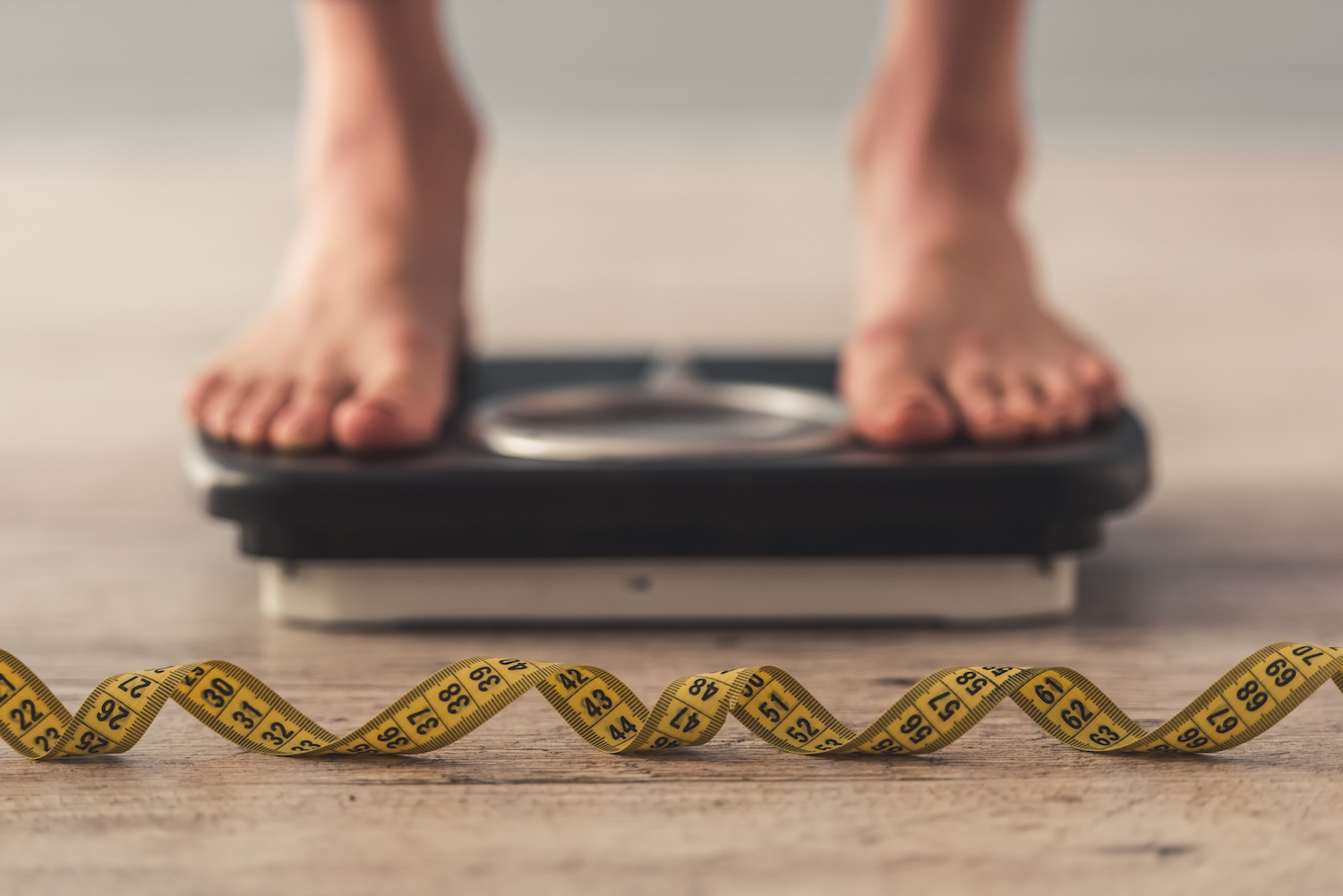
Though the intention of a cleanse is to improve your health by reducing the number of toxic substances in your body, many cleanses can also create weight loss as a side effect, especially if your cleanse protocol has you focusing on healthy foods or drinking organic juice.
If weight loss is your goal, cleansing your digestive system with a series of specially designed organic juices along with increasing water intake, reducing sodium, and exercising regularly can be extremely effective. However, lasting diet changes will be necessary to maintain your weight loss after the cleanse.
Cleanse for More Energy
Detoxes are a great way to combat brain fog, fatigue, and general sluggishness. When you reduce the toxins in your body and help your internal systems perform their functions optimally, you’ll find that you have more energy throughout the day and enjoy a clearer mind.
Focusing on great sleep, mindfulness practices, and exercise are some of the best ways to boost your energy levels by getting rid of toxins.
Cleanse for a Healthier Gut
Gut health is closely linked with a variety of health markers, including your weight, your digestive health, and even your mental health. Encouraging excellent gut health and reducing the amount of bad bacteria in your gut using prebiotics and probiotics is a great way to heal your gut from the inside out and reduce bloating significantly.
Side Effects and Detox Safety
Detoxes are generally safe for adults that are otherwise healthy and are dealing with bloating, fatigue, and other common issues.
If you choose to undergo a juice cleanse, it’s important to understand that you’ll be taking in a lower number of calories during the days of the cleanse than you normally would, even if your juice cleanse allows for one or two regular meals per day.
This means those who struggle with low blood sugar issues, anemia, or diabetes may experience adverse effects from the detox.
Make sure to consult with your doctor before you begin any cleanse that includes significant changes to your daily routine, especially if you have an underlying health issue. Your doctor may be able to recommend detoxification techniques that are more appropriate for your needs and health status.
How Long Should a Detox Last?
Detoxes that are focused on eliminating toxins through a significant change in diet shouldn’t last more than a few days for your safety.
However, some cleansing habits such as increased water intake, a regular exercise regimen, mindfulness to reduce stress, and the inclusion of organic foods in your diet can simply be integrated into your lifestyle for more effective natural detoxing in the long term.
Tips for a Successful Cleanse
In order to receive the full benefits of your cleanse, it’s important to take a few steps to make sure you’re fully prepared. Going through the steps of a detox won’t affect your health that you’re looking for if you maintain certain unhealthy habits during the process.
Prioritize Rest

Various pollutants and waste products build up within our body throughout the day, and getting enough sleep allows our body to properly allocate the energy to remove them.
You can support high-quality sleep by reducing screen time before bed, finishing eating at least a few hours before sleep, and making sure your bedroom is at a comfortable temperature.
Do Some Research Beforehand
Before you make any significant changes to your health and wellness routine, it’s important to do as much research as you can about it, even if you’re embarking on a cleanse that is only set to last a few days.
If you have underlying health issues, you may end up exacerbating them accidentally with your detox if you don’t consult with a doctor beforehand and read about the detox’s specific effects.
Listen to Your Body
During any type of cleansing, it’s important to stay in tune with how you’re feeling, especially if you’re cleansing your gut and digestive tract with a juice cleanse.
Some temporary reduction in physical energy is to be expected at the beginning of your juice cleanse, but if you experience any significant side effects such as nausea, vomiting, or extreme fatigue, stop the cleanse immediately and contact your physician.
Limit or Cut Out Alcohol and Tobacco
During a detox, it only makes sense to drastically limit or entirely remove any alcohol or tobacco consumption, which are toxins themselves.
Alcohol, in particular, causes significant strain on your liver, which is one of the primary detoxifying organs in your body. In this way, reducing or cutting alcohol as well as tobacco can act as the first step of your detox.
Counterarguments to Detoxing
While we are all for cleanses and have seen their benefits firsthand, there are certain counterarguments that exist when it comes to cleansing and we’d be remiss if we didn’t mention them, especially when this is supposed to be the ultimate guide to cleansing.
To get a little more philosophical, if you really think about it, today’s human body faces an unprecedented amount of toxins–more than anyone has ever expected and that number has increased every single year. There is no way we could think we could get rid of everything just by drinking juice (although it is a start). Some long-term health effects from certain toxins are yet to even be categorized so we are still evolving, still understanding.
We aren’t separate from our environment and as the toxins increase within that environment (pollution, disease, etc), so will those within our bodies. We know that cleansing can greatly help but we also acknowledge that it is not the solution to all of our problems
If your main objective with a detox is to remove toxins, considering a different approach apart from detoxing may be even more effective, however that doesn’t discount the other health benefits a detox may offer your body, not to mention the natural vitamins you can receive from delicious fruits and vegetables.
Cleansing and detoxing is definitely a start to getting healthier, stripping away any impurities that exist within the body, but if you are looking to completely get yourself in check, this is only part of the solution.
Detoxify Your Body with Clean Juice
Nothing can rejuvenate your energy and improve your quality of life like a great cleanse. Not only will you enjoy a huge variety of noticeable health benefits, but your body will also enjoy a much-needed internal boost to help it function at its best.
At Clean Juice, we offer a wide variety of organic juice cleanses, 6 in fact, designed to fit specific needs. Our juices are made fresh and with organic ingredients, cutting out any harsh chemicals or unwanted minerals, and work very effectively to reset your body through a detox. Whether you are looking for a beginner cleanse to test the waters, improve immune function or increase your energy levels, we have a specialized plan to help you achieve your cleanse goals. All of our cleanse programs are safe, healthy, and easy to follow to make sure that you can stay on track with confidence.
Juicing has so many benefits that we know of and some that we are even still discovering. It can be instrumental in getting yourself back on track and will uplift you in so many ways.
- Stay hydrated H20
- Limit stress and get quality sleep
- Reduce your sodium intake
- Eat and drink organic
- Increase circulation with exercise
- Add prebiotics and probiotics to your daily routine
- Try intermittent fasting
- Prioritize eating foods rich in antioxidants
BONUS: Try juicing!
- 10 Natural Detox Strategies to Cleanse Your Body & Lose Weight With Your Diet
- 5 Safe & Effective Ways to Detox Your Body Naturally
- What is a Full Body Detox, And Do They Work?
- 10 Ways to Detoxify Your Body Naturally
- What’s the Difference Between Probiotics and Prebiotics?
Disclaimer: The information presented here is for educational purposes only and is in no way intended as substitute for medical counseling. Consult your doctor before using any health treatment, including natural remedies, and tell your doctor if you have a serious medical condition or are taking any medications.
Be Organic Podcast Season 3 – Episode 9 WHAT’S YOUR FOOD STORY? // Foods & Moods
When it comes to food, everyone has a story. The way you feel about food, think about food, deprive yourself or overindulge, the specific things you crave…There’s a story behind it. Your food story is a big swirl of many things: how you were raised; the messages you received from influential people and absorbed from the media; your positive memories and your painful memories about food. All of it comes together to create thoughts and patterns that directly impact your health and happiness. The bottom line: Finding peace with food isn’t about eating more kale, drinking more water, or doing more yoga. It’s about unlocking your inner narrative about what you eat and why you eat what you do.
Here to talk to us today about food stories is Elise Museles! Elise Museles holds four certificates in holistic health and integrative healing. A frequent speaker, Elise is also host of the popular Once Upon a Food Story podcast. Her work has been featured in Forbes, O, The Oprah Magazine, Health, Self, ELLE, Well+Good, and more!
TIME STAMPS
6:25 What the Term “Food Story” Means and What it Encompasses (jump to section)
11:22 Elise’s Pivotal Food Story Moments (jump to section)
18:00 Food and How it Relates to Emotional State (jump to section)
20:00 “Food Noise” and Why It’s So Harmful (jump to section)
29:23 How Stress is an Anti-Nutrient (jump to section)
34:50 Food and Mood – Recipes for How You Want to Feel (jump to section)
38:07 What “The Chocolate Meditation” Is (jump to section)
Transcription Below
Kat Eckles: Welcome back, Be Organic listeners. We are so excited to have you today. As always, we thank you so much for joining us and making the decision to spend a little bit of your day learning more about living a more organic, healthy, and positive lifestyle. Today I’m really excited to have author Elise Museles on our podcast today.
She wrote a book called Food Story, and I’m really excited to talk to her about this, share a little bit of my food story, and just hear her perspective on things. As we know, when it comes to food, everyone has a story. The way you feel about food, think about food, deprive yourself or over-indulge, and the specific things you crave, there’s a story behind all of that. Your food story is a big swirl of many things, like how you were raised, the messages you receive from influential people and absorb through the media, your positive memories, and your painful memories all about food. All of that comes together to create thoughts and patterns that directly impact your health and happiness.
The bottom line is finding peace with food isn’t about eating more kale, drinking more water, or doing more yoga. It’s about unlocking your inner narrative about what you eat and why you eat what you do. Here to talk to us today about food stories is Elise Museles. She holds four certifications in holistic health and integrated healing. She’s on the board of directors for the Environmental Working Group and has been a National Institute of Health grant recipient for five years in a row. That’s some amazing accomplishments.
For those of you who have not heard or heard of the Environmental Working Group, they release “The Dirty Dozen” every year and have an amazing online resource for finding non-toxic options. As a frequent speaker, Elise is also the host of the popular “Once Upon a Food Story” podcast, and her work has been featured in Forbes, O, the Oprah Magazine, Health, Self, Elle, Well + Good, and more. We are so thankful and so blessed to have her today. Thank you so much for joining us.
Elise Museles: Hi Kat, thanks for having me. I’m honored to be here.
Kat: I have to laugh because I was stumbling over my words a little bit there. It’s because I just ate a donut because there was a birthday celebration. This is so appropriate that we’re talking about Food Story because I ate a donut. Now my brain’s not working well, whether that’s programming or not, I just don’t function as well when I’m eating stuff like that. It’s just ironic that you would be on with us today.
Elise: Wait, is it your birthday?
Kat: Yeah, my birthday was last week. We do a big monthly celebration for everyone in the office. It was our March celebration today, but yes, my birthday was the 14th, so I guess Monday.
Elise: Wow. Well, happy birthday.
Kat: Thank you.
Elise: That’s exciting, and I’m glad that you allowed yourself to enjoy and celebrate.
Kat: Yes, I know it’s all about balance. I’ve gotten there, but it has to be all about balance.
Elise: Right, or knowing what makes you feel good and deciding, is this going to fill my soul? Sometimes we eat food for soul nourishment, for the memories, or to be connected to memories of people who are no longer with us. Sometimes food represents that in addition to, of course, all the nutrients, which you are very good at providing with your clean juice.
Kat: Yeah. It’s funny, we had a shirt when we first started and it said, “This morning I juiced, so tonight I can taco.” That’s kind of our philosophy about food. Like you said, I feel like it’s really important. I’ve learned to have a really good balance with nourishing, using organic ingredients, and making sure I get some plants and meat, but I don’t function well if I don’t get heartier stuff, if I can’t have a donut when it’s someone’s birthday and I want to celebrate, or pizza on a Friday night. That’s just really important to me, my lifestyle, and my family. I’ve had to get there through my food story, just to be able to have that good balance.
Elise: I love it, and I love that you realize that the deprivation wasn’t working. Like you said, it is about finding what works for you. Everybody’s different. You might go through different phases in your life where you are more focused on eating less of that for whatever reason, a health scare or something else, so it’s about really just being connected to what feels good to you right now.
Kat: Absolutely, and I think that’s such an important point too. I’m actually an integrative health coach through IIN and I loved the program, but I would say the thing I got the most out of it was there isn’t a formula. I think that everybody wants to look to whoever they’re looking to for keto or paleo. Not to drop those, but everyone’s looking for this exact formula, the exact time of day to eat, what to eat, this, and that. I believe we’re all just individuals.
Our bodies are all so different, so we all do need different things and that might change during people’s lifetimes. I’ve read so many stories about people that were super vegan or super vegetarian, they did that for a decade, and they felt great during that time, but then they started to feel awful and they really had to go back on, basically, this huge principle that they’ve built their life around. They had to go back and say, “This isn’t working for me anymore, and I have to acknowledge and accept that.” Then they have to go a different route. I really respect those people that can pivot when their body’s telling them.
Elise: It can also change with the seasons. You crave different things in the colder weather versus warmer or what’s happening. I remember at the beginning of these last few years, everyone was craving comfort food. It really comes down to listening to what’s happening right now inside of you. You were mentioning the people who had to pivot. I was just thinking about how there were some public figures who did that and they would get backlash for it. That is just so inherently wrong, that people would get backlash for listening to their bodies, but they were no longer vegan so there was a big community of people who, actually, were disappointed in them for doing what felt right to them.
What the Term “Food Story” Means and What it Encompasses
Kat: I know, I know. It’s unfortunate. It’s the downside of social media for sure. I’d love to talk about your term “food story”, and I know that your principle is that how we relate to food is so impacted by many things in our past and in our lives. I can attest to this. Many things are impacted by media, influencers, family members, and past experiences. You kind of bundled them all together and created the term “food story”. I would love to just start off kind of by discussing why it’s important to think about our personal food story, especially as it relates to our past because I think that’s probably something that we don’t think about all that often. We’re thinking about like the future and what we can change, but why are we telling ourselves the things that we are?
Elise: Well, first I want to start with how I came up with food story. You did a really good job of explaining exactly what it is. So often we talk about our relationship with food and that can feel like a dead end because most people think of their relationship with food as them and food. I was asking clients when I first started doing this work, “So tell me about your relationship with food.”
I would get the same answer from most people. These were really savvy people who could probably write their own books and blogs and had tried everything. They would just slump their shoulders or be like, “Oh gosh, don’t ask me. Let’s not go there.” I knew that I had to change the way that I asked that question because the way we relate to food is so much more dynamic than just us and food. It’s not just you and food, so I ended up just really thinking about a new way to ask.
Back in 2012 or 2013, Oprah and Brené Brown were talking about story, and there was a lot of conversation about money story and love story. I’m like, “Wait, we have all these stories, of course, we have a food story.” I would go back to my clients and say, “Tell me about your food story.” They’d say, “Well, I never thought about it.”
Then I said, “Well, it’s about the messages you received growing up and you’re still receiving. It’s about the memories that you have and the many meals you’ve had during your lifetime, and all of it comes together to create your food story. There are chapters, villains, and different characters. Suddenly, the way that they connected with food became so much more dynamic and interesting, and this is really key: people would feel less responsible because they realized that there were other factors that influenced how they related to food. It wasn’t just about them, that they didn’t have the willpower, or whatever we all say to ourselves all the time. It really opened things up for people and it stuck.
When you think about it, we all have a food story. I love how at the beginning of this conversation you mentioned that it’s your positive memories too, because so often people think, “Oh well, my food story…”, and they hone in on just the negative parts of it. I mean, obviously, that’s what you want to heal, but it’s positive too. There are so many beautiful memories that we all have around food.
Kat: I love that, and it’s so funny. I just turned 36, so I was a nineties child and so much of that was processed. My mom was a great cook and I don’t think we ever ate out except on our birthdays, but still, she was making the oil taco shells, or it was just a lot more processed food during that time because it was that shift. So, I have this weird aversion in my spirit to processed food. For some reason, I think it’s so bad or so criminalized just because that’s what I was fed so much as a child.
It’s interesting, when I get sick, all I want is the old noodles in a packet chicken soup that has absolutely nothing fresh in it, but it just has all chemicals and all processed food. It’s so funny probably from my childhood, I was having that when I was sick. That’s what I crave when I’m sick when I know in theory it should be the fresh, good stuff. It’s really funny to think about how that works. I’ve never thought about it before.
Elise: Yeah. It is true that most of us crave food, like comfort equals things that we had in our childhood that made us feel really good. Even if you find the updated versions, I don’t know if it does the same thing, for some people it does. It’s true that we have it in our body that when we are sick, okay, this is what you do to feel better.
Kat: Absolutely. Well, I would love to hear about some themes or pivotal moments of your own food story and how you’ve gotten to where you are today.
Elise’s Pivotal Food Story Moments
Elise: Sure. I’ll try to keep it brief because it’s a lifetime of messages, meals, and memories, but I’ll give you three pivotal moments of my food story. The first one is that I want to give you context that I grew up in L.A. in a time when everyone was focused on being skinny. You probably know that a little bit, before we really switched the conversation to more about health and wellness, which in and of itself can be diet culture and disguise. I grew up around where people were very concerned about that.
I went to an all-girls school, and when I was nine years old, I went to a doctor’s appointment. This is when everyone was getting their ears pierced by the doctor. The doctor said, “If you lose five pounds,” which I’m not quite sure I really needed to, especially not for health reasons, “then you can get your ears pierced.” I learned at a really young age all about dieting, and at the same time, my dad was locking the refrigerator at night.
I know that probably sounds absolutely nuts, but he didn’t do it because of his kids. He did it because he had this terrible habit of sleep-eating and not even realizing that he was doing it. Because he felt so horrible in the morning and had no recollection of getting up in the middle of the night, he started to lock the refrigerator. This is a really good example for all our listeners that sometimes we get messages that are harmful, but they’re unintended.
Most of our parents, caregivers, or whoever took care of us in fetus didn’t plan to harm our relationship or the way we relate to food, but sometimes that happens. The combination of those things really gave me the message about control and that food is best kept under lock and key. My whole teenage years and from there on, I was really in search of the perfect diet and controlled what I was eating.
In my whole food story, I always talk about being really cloaked with eating perfectionism. I became obsessive at that time. I didn’t have an eating disorder, but I will say to you now that it definitely was borderline orthorexia, just trying to do everything right and control what I was eating.
The second pivotal moment came when I was graduating from law school. That was my first career before I joined the health and wellness field, and I was having a celebratory dinner with my then-boyfriend. We had been together, and we talked about potentially getting married, having a family, and all of that. We were at this very fancy restaurant that didn’t have the food that I was used to eating or that was the food on my “plan” or my allowed list, it was French and saucy. I was visibly uncomfortable, just using my fork and not really eating so much.
The chef came out and said, “Is there something wrong? Because nobody comes here and doesn’t eat.” That led to my then-boyfriend breaking up with me at the table. He said, “I just can’t take this anymore.” It wasn’t just that meal, it was the straw that broke the camel’s back. It was just enough. The interesting part I think, and this is what I think other people might relate to, is that we think our food story exists in our own mind, but really everything is the energy. When we’re uncomfortable around food, even if we’re eating it and later having those thoughts, “I shouldn’t have eaten it,” or whatever we do to beat ourselves up, your kids are absorbing that. Whoever you’re dining with is feeling it, so this was a huge wake-up call.
I didn’t have the terminology and the language for food story yet, but it was the first time I really understood that it wasn’t just about me. What I was doing was impacting other people too. That led to really trying, not to get better for him, but it just was a big wake-up call. I needed to heal. I needed to get better. I moved back to California. I was in DC at that time, and the end of that story is that person is now my husband. We got back together and I started cooking and doing a lot of things that felt really nourishing around food. I worked on my mindset and later ended up leaving the law practice and pursuing a career in health and wellness. I was really helping people with what was on their plate. I was thinking a lot about what was on my plate, and then I felt really frustrated like there was a missing piece of the puzzle.
This is my third pivotal moment. Even though I felt good about helping people and giving them ideas to eat food that was nourishing, felt good, and all of that, I discovered this book called The Slow Down Diet. Long story short, it wasn’t a diet at all, but it talked about what the stress response is and what happens when you have stressful thoughts while you’re eating. Basically, it affects the cortisols you release, and that affects your metabolism. It lowers your metabolism, turns your digestion off, and you don’t assimilate the nutrients as well. Not to mention that you miss out on the pleasure of a meal.
I realized I’m eating all this kale, quinoa, superfoods, green smoothies, and all of that, but it didn’t matter because I was still worried. Am I an example to my kids? Am I an example to my clients? Am I growing a community? I ended up getting certified in eating psychology, going to that next level, and healing the way that I related to food and my own food story. It gave me the tools to be able to help other people too. I like to round this all out, I always say that I help people with what’s on their plate and what’s on their mind.
Food and How it Relates to Emotional State
Kat: I love that. It’s so beautiful. I know we’ll talk about this a little more later, but I love how you relate food to what’s going on with your life, your emotional state, and your mood. I think it’s so important to realize how intertwined that all is.
I even realize sometimes when I’m cooking, if I’m doing it with joy andI’m happy to serve my family, excited to have a family meal, we’re laughing and it’s good, positive energy, the food tastes better. I can just feel it going into my body better, but if it’s Tuesday, I’m exhausted, I didn’t get enough sleep, everyone’s cranky, I don’t really want to be making dinner, and I wish I could have just ordered DoorDash, but there’s nothing healthy on DoorDash, so I have to make this stupid meal, the whole energy of the meal, not even just for me, but for my whole family, is completely different. I love when people bring up the energy piece, because to me sometimes it’s the most important, and I know it’s easier said than done. You can’t necessarily force your mind to think a certain way, but I think the first step is understanding that intention and the root of things really matter, especially with food.
Elise: I love that you said that. I agree one hundred percent. You can feel it, so if you are in a bad mood, stressed out, or just that life is challenging especially when you’re playing so many different roles, try to do something a little calming. Even just taking three deep breaths before you start cooking or imagining where the food came from, the farmers who grew it, and how it got to you and taking a moment to connect to the food that we are so lucky to have and share with the people we love. I feel like that little two seconds of doing the breathing and the visualization can flip that energetic switch.
“Food Noise” and Why It’s so Harmful
Kat: That’s so good. Something else you talk about, which I really like, is the term “food noise”. I would love to define that a little bit and then dissect it. I’m assuming that’s what you’re referencing when we’re getting advice from all these different people. I laugh because sometimes I try not to get on Instagram that much, but I do. I’ll be swiping and I’ll have like one doctor that’s like, “You should be drinking four cups of coffee a day, it’s healing your body, and this and that.” Then literally the next post is like, “Cut out coffee. It’s killing you.” It’s like there are so many mixed messages and so much information out there right now, which can be great in many ways, but I’m sure can really create confusion for us as consumers of food.
Elise: I love that you said it can be great too because we always want to evolve and grow, not be like, “Okay, I’m going to tune the world out and not learn about anything new.” There is that tricky balance of being able to try things and explore, but also not to get sucked in with the latest and greatest that’s going to have you looking a certain way.
Let me go back to food noise. Food noise, we touched on it a little bit, is really the term that I’m using for all that conversation that you hear and see about food that can be conflicting. Really the bottom line is it takes you away from connecting to your body. It’s everything from social media, which is probably right now in this day and age the worst to even books. Here I am, I have a book out there, but just even listening to podcasts. I think the thing is, you want to be connected to yourself enough to know: Is this something that I want to try and explore? Or that’s good for you, but not necessarily good for me. You just want to be discerning with what you let in.
The thing is, food noise is everywhere, and I can’t imagine that we are going to reduce it. I think we might be getting better about the message that we know best more than anyone else, and I ask people to think about how they respond to it so you can’t reduce it. You can find ways where it’s seeping into your life that it’s not helpful. Like you said, you don’t go on that much social media. Maybe it’s setting boundaries or just following accounts that feel more trustworthy and not ones pushing cleanses that you know are just going to leave you not feeling great and spending a lot of money.
I have in the book an exercise that I have people go through where they literally have this list out and, throughout their day, check off where the food noise is coming in. You can say to yourself, “This is noise. I don’t need to listen to this.” You can say, “Okay, I am really actually curious about this supplement.” You have to be connected to your body enough to know that you’re doing this because you really feel like this is something that can support you in your own health and wellness on your journey. Or is it something you’re doing because you’re influenced by someone else?
I think it’s about really being honest with it, with yourself, and with whatever sort of information you’re taking in. I think the most dangerous thing about food noise is that, like you said, it’s really confusing, but when you’re absorbing it, it becomes part of your internal dialogue. Then it’s very confusing about what feels right to you versus what you’re hearing and absorbing from other sources. Does that make sense?
Kat: It makes total sense. I’m having a spiritual moment because I’m like that. Isn’t that everything? Do you know what I mean? We get so bogged down with everyone’s opinions, thoughts, and messages. I’m a reader, so it’s funny that you say books because I’m the same exact way. I can read all this stuff in a book and take it as gospel almost. You really, really just have to be in tune with yourself and what is sitting right with your spirit, I guess in this case, stomach, right? What’s really working for myself? The first step in all of this is just knowing yourself and your own convictions.
Elise: Part of the problem with having been surrounded by a lifetime of food noise is that it takes you away from being connected to your body. You do want to do things, whether it’s journaling – For me, practicing yoga always reconnects me back to my body. I can quiet down whatever voices are in my head and just feel – and trusting your gut. Our bodies speak to us all day long. I’m sure you’ve had plenty of guests and you believe this too.
You don’t talk about it, but we have this tendency not to hear. How many times have you said to yourself, “I should have listened to my gut”? Whether it’s going out something as simple as that, or saying yes to something big when you know your body is like, “Oh, no, not now.” That’s just not right. You feel all those signs.
Kat: Oh, absolutely.
Elise: We tend to ignore them. I know so much of the way we relate to food can be made simpler and easier if we started to hear those signals and pay attention to those messages.
Kat: Absolutely. I had an experience. There was a group of girls (I say they’re girls, but they’re probably girls and boys) that were early on Instagram like health influencers and health accounts. I really enjoyed them and got some great information from them. They seemed all be friends and were putting out similar stories, information, et cetera, et cetera. They, at one point, were really into plant-based, smoothies and juices, and organic. Doing what I do, that’s what has always worked for me and my body, so I just loved listening to them.
Then they all did this shift, I would say, over the last year or two to a pro-metabolic diet, and it seemed like it was really working for them. All of a sudden, they went from plant-based to super animal-based, super heavy dairy, heavy raw dairy. They said dairy should be in everything, and all of a sudden we should be having meat all the time. I was kind of like, “Oh, maybe I need to try this because they had become a trusted source to me.”
I started eating like that. I switched up my coffee routine, my fasting routine, and all of these things that had worked for me for so long and started doing that. I would say in the span of six months, I put on 10 pounds. I was bloated all the time. I just felt heavy and drugged down. I kept pushing through and I was like, “No, they say that happens, and then you start to feel good.” I just never felt good. I remember one morning, a few months ago, I woke up and I was just like, “I’m just not doing this anymore. I’m going back to what works for me, which is intermittent fasting and black coffee.” I eat animal stuff, but eat primarily fruit or plant-based and heavy vegetables.
I’ve slowly kind of gotten myself back a little bit, but I was a perfect example of that kind of food noise and influence, I didn’t listen to myself. I said, “Listen to others,” and it led me down a path that wasn’t right for me.
Elise: Did you hear your body say to you, “Hmm, I’m not sure you should do this,” but you ignored it?
Kat: Yeah. I remember thinking, “You’re fine. You’re feeling good.” It’s not like I was feeling bad, you know what I’m saying? I was feeling great. I was my normal self, but I made this change completely based off of something that someone else told me. It’s not like I was searching for a change, I guess is my point.
I was doing great, and then they said to change, so I did. Yes, I definitely had red flags during that. I guess I just thought, “They’re doing it, it works for them. I trust them. I should try it.” I wish I had listened, but it was good. I think there are always learning lessons and things. Like you said, it’s good. I tried it and I can know that it didn’t work for me. It reiterates what does work for me and that I feel good doing those certain things, so there’s always positive to it.
Elise: Yeah. It’s interesting that you said that because while you were saying that, I was thinking, “Wow, so now that reinforces that what you are doing is good for you right now.” It makes you feel even more of a conviction to that lifestyle and instead of, “Well, I’m just not sure.” Like you said, there are always lessons in everything. I do believe that.
How Stress is an Anti-Nutriet
Kat: Absolutely. So one thing you talked about and you mentioned is how stress or negative energy, in general, can really be an anti-nutrient and something that brings down the quality of your food, your digestion, or what it does for your body. Something I like that you do as well, you base your book and recipes off of different moods or how you want to feel. You say that’s how you start most of your work with your clients. How do you want to feel? What foods can we start integrating into your diet that might make you feel happy, focused, strong, or all these different things? I’d love to talk about how you really look at a person, and then how you can decide which foods you would give to them for these different types of moods.
Elise: Okay. Those are good questions. Let me just address the stress as an anti-nutrient and then we can talk about the food and mood. I already explained that our thoughts can create a stress response that goes back to fight or flight. You know that our bodies are really good at taking care of us, so when we’re having stressful thoughts, our body recognizes it as a stressor.
It doesn’t matter if it’s true or not. So if you’re eating a meal and you’re like, “Oh my gosh, this isn’t going to agree with me. I know that this is not right. I’m going to feel bloated, I’m going to feel tired.This is going to my thighs.” Whatever those thoughts are, or you have the guilt afterward, that is considered a stress. We don’t really often think like that because we’re like, “Okay, it’s just about the food I’m eating or not eating.”
Then I explained what happens. You go into the stress response where you just shut down and your cortisol is released. That affects your digestion, metabolism, nutrient assimilation, and pleasure. The opposite is true. One of my ultimate goals, I don’t even like that word, but what I always hope, is to help people learn to relax around a meal because that makes all the difference on so many levels. Iit makes a difference on a physiological level. That’s called rest and digest, and that’s really about quieting all the noise, not multitasking while you’re eating because that creates a stress response.
That’s a whole other conversation, but most of us check our phones. I like to say this is a good summary: We eat, and… We eat and listen to whatever, we’re on a Zoom call, we listen to a call, we eat and scroll through social media, we eat and answer emails, and we eat and run out the door, but what about just eating? That makes such a difference in the way that you metabolize and digest your meal. Not to mention that you actually can be connected to your body and know how it feels. That’s such a huge principle for me in my teachings and in all the clients I work with, because if you think about it, it only takes like 5-10 minutes to sit down and get that full nutritional benefit from your meal.
That’s why I say stress is an anti-nutrient because you don’t get all of that when you’re having those stressful thoughts. Just to clarify, we have a lot of stress in our lives, and of course, we want to do things to mitigate it. When I talk about stress as an anti-nutrient, I’m talking about those self-imposed stressors that come from your own mind. Does that clarify it for you?
Kat: Yes, it makes total sense.
Elise: Yeah, and we all do it. We have to change that. That’s what happens during mealtimes, just like you said, changing the energy that goes into the meal. This is all part of that.
Kat: I have to laugh. I have teenage girls and our big joke is if we’re eating something, like I just had the donut or whatever, if we were to eat that all together, we’d be eating it. We’d be like, “It’s okay because this is all going to my butt. So it’s totally fine.” We just make it a positive experience, say where we want it, and then move on. It’s not a negative experience with what we’re eating because I think it’s hard for teenage girls. It’s like they’re taught to drink Celsius all day and have these perfect figures.
I can remember being a teenage girl where, at the time, the big thing was the diet pills with the ephedra. I would take those and hide them in my room. My mom would be searching my room for them because she knew I was taking them. It’s hard, you’re expected to look this certain way and have all this pressure, and I don’t want that for my kids.
Elise: It’s also a lot of pressure on you as a mom because you know that they’re watching you and you want to influence them in a positive way. Right? We all have stuff that we’re working on. At the same time, you can influence them in a really positive way like you’re doing with having the upbeat conversation when you have fun with donuts instead of it being “That’s so bad” or whatever kind of conversation that we all grew up with.
Kat: Exactly, exactly.
Food and Mood – Recipes for How You Want to Feel
Elise: Now to address your food and mood. When people are struggling and not feeling totally at peace with food, oftentimes the conversation or the thoughts are more about what food is going to do to you. Is it going to affect me in a negative way? Am I going to feel all those things that I mentioned before? Tired, bloated? Is this on my list? There are a whole bunch of thoughts that we have that aren’t always so positive. I really felt like I needed to do something different for people reading the book and for my clients who I work with.
I wanted to give them a more empowering way to look at food. Instead of thinking about what food can do to you, think about what food can do for you. That’s where all the conversation around mood comes in. Food can boost your mood. We’ve been talking about immunity, it could bring you comfort, and so there are so many connections to food and what it can do for you. When you think about how you want to feel, it’s all about what food can do for you. That’s the question I want everybody to ask themselves. How do I want to feel?
In the book, I have seven different moods and explanations of why certain nutrients support different moods. The moods are: happy, focused, calm, radiant, sensual, comforted, and strong. Strong was really another way to say healthy, and it’s in more immune-boosting foods, but healthy is a little overplayed, so that’s where it came in. I don’t know if you have specific questions about it.
When I wrote the book, the process of writing a book is such a long one. When I wrote the book in 2019 and 2020 (it just came out at the end of 2021), people were not talking as much about food and mood, but now I’m seeing it more. Do you see that conversation?
Kat: Oh, absolutely. It’s funny, you talked about not taking things away necessarily, but talking about the benefits. I’ve always told anyone that’ll listen to me, everyone needs to stop talking about dieting and they need to talk about adding. It’s not a diet, it’s an add-et. I almost don’t even care. Eat your Chick-fil-A and eat what you need to eat, but add a green juice to your diet, add a maca to your smoothie, and add these certain things. Over time, you’re actually going to want Chick-fil-A less. You’re not going to have to think about depriving yourself from it because you’re nourishing your body, putting these things in your body, and focusing on, like for you, adding fat so you feel focused. You’re going to feel great, and you’re going to feel really bad when you eat that Chick-fil-A.
Over time, you’re going to naturally be drawn to having the healthy fats that make you feel focused. I’m totally in line with what you’re saying. I think people are starting to really realize, like you said, “Hey, if I eat this certain food, I’m going to feel sluggish, I’m not going to feel vibrant and strong, or I’m not going to feel happy and elevated. I’m going to feel down, confused, and sluggish.” I think, like you said, more and more people are realizing that they feel a certain way when they eat a certain way.
What “The Chocolate Mediation” Is
Elise: I love what you said about the add-et, adding foods in and also when you start adding in foods that make you feel good and noticing that connection. Your body naturally craves it because we all, at the end of the day, just want to feel good. A really simple example of that is when you go on vacation or something and you haven’t been able to eat the way you normally do. Let’s say you haven’t eaten as many vegetables or salads, you come home, and that’s all you crave. That’s just our body saying, “Give me the foods that make me feel good.”
Kat: Absolutely. Well, I would know that. I feel like we could talk for hours and hours. The last thing I wanted to talk about before we wrapped up is something that you call the chocolate meditation, just because that sounds amazing and I feel like everyone needs a little chocolate meditation in their life. So, we could talk about that significance to you and what that means.
Elise: I’m glad you asked about that, and I feel like you would love it, Kat. We’re going to have to do a chocolate meditation together. The chocolate meditation is something that I do in all the workshops and I try to give as many people as possible the experience because it is so transformative. It’s a very exaggerated way to bring all your senses to the table. We use chocolate because who doesn’t love chocolate to illustrate it? You bring a piece of chocolate and you do everything from smelling the chocolate, looking at the chocolate, and slowly tasting it. Like I said, it is just so exaggerated the way you experience the chocolate.
In the book I have it written out, but when it can be guided, people are closing their eyes and they’re just in it. At one point I’ll say, “So just be here now. Don’t think about the next piece of chocolate, just taste the one that you’re eating at this moment.” People will finish the meditation, they’ll open their eyes, and say, “I’ve never tasted chocolate like this. It’s so creamy and it’s so satisfying, and I don’t even need that second piece that I always have.” It just shows you that most of the time we are busy doing other things and we’re not really experiencing our food. I know that it’s exaggerated and people can’t do this every single time they eat, but it just shows you how satisfying it is when you do slow down and when you are present with your meals. That’s why I do it, and included it in the book because I don’t think it’s that hard, once you get used to it, to bring your senses to the table. The rewards just keep on multiplying, you’ll feel so much better while you’re eating, and be more connected to your body and your food.
Kat: I love it, that’s very beautiful
Elise: Yeah, so we’ll have to do that with chocolate one day.
Kat: Yes. It’ll be fun. We make it out to California a lot. That’s about my favorite place in the whole world, so I beg my husband every day for us to move there.
Elise: Well, I’m actually in DC, but I’m originally from L.A. so that’s probably where you thought that.
Kat: Gotcha. We’re in Charlotte, North Carolina, which is great as well. Well, let our listeners know where they can find you besides DC, online, and, like I said, your book is called The Food Story. I’m sure it’s on Amazon, but any other information you can give them will be awesome.
Elise: I’m on all the social media platforms, my name Elise Museles, and I’m sure you’ll link everything in the show notes. My website is also my name, elisemuseles.com. My book is wherever books are sold. If you can’t get it online, or if they don’t have it at your local bookstore and you want to purchase it that way, you can always ask.
I’m just so honored to have been a part of this conversation. I also, if you’d like to give your listeners, have a food mood pantry guide which lists the seven moods and some of the key ingredients to support those feelings. I can give you that link if you want.
Kat: Yeah, that’d be great.
Elise: Yeah. Kat, thank you so much for being here. I’m sorry we missed Landon today, but we’ll have to get his food story another time.
Kat: Yes. Well, I’m so appreciative of talking to you, and I love your energy. It’s calming, you’re like a human dose of dark chocolate. I love your insight and I’m appreciative of all the work that you do around this, so grateful for your time today, and for sharing with our listeners. Thank you so much and be blessed. I’m sure our paths will cross in the future.
Elise: Of course, and thank you. I love the work that you’re doing too.
Kat: Thank you so much for tuning in today to Be Organic. We’re so excited for you to become healthier in body and stronger in spirit.
Landon Eckles: So if you like what you heard today, please be sure to subscribe on Apple Podcasts to never miss an episode.
Kat: We’d love to connect with you over on Clean Juice’s Instagram. Give us a follow, and slide into our DMs with any suggestions for guests or topics that you might want to hear more about.
Landon: All right, y’all. Thanks for listening. Have a great week and remember to be organic.
Kat: Just a quick legal disclaimer, we are not doctors. While we absolutely love discussing wellness and nutrition with our expert guests, you should always talk to your physician or other medical professional before making any dietary or lifestyle changes. They can assess your specific needs and come up with a plan that works best for you.
In addition, this is for educational purposes only. Clean Juice Franchises are only offered by delivery of a franchise disclosure document in compliance with various state and federal laws.

Be Organic Podcast Season 3 – Episode 8 Finding Vitality Through Nature & Regenerative Farming
The power of healing can be found in the simplest of things: the Earth. It’s easy to take for granted dirt, farming, planting food, and what goes into the tomato we pick up casually on the grocery store shelves. Listen to hear a powerful story of healing, the impact that farming and soil has on our health, and the small steps you can take to make a difference in your health and the environment.
In this episode, Kat and Landon sit down with Jordan Rubin, co-founder, and CEO of Ancient Nutrition, a supplement company with a mission to restore our health, strength, and vitality by providing history’s healthiest whole food nutrients to the modern world. Jordan has an incredible healing story about his struggle with chronic illness, the dramatic toll it took on his body, and how he was able to heal with the power of food (and much more).
“We tend to take for granted that behind every organic food, every organic juice, every organic supplement – there are farmers so that you can eat the way you want to. It’s an under-appreciated trade.”
“40% of food in the world turns into food waste that goes into landfills.”
TIME STAMPS
2:52 Jordan Rubin’s Life Journey Towards Natural Health (jump to section)
8:57 Faith & Hope is Critically Important to Healing (jump to section)
16:50 Real Life, Real Food (jump to section)
18:03 Jordan’s Passion for Raising and Growing Truly Healthy Food (jump to section)
19:20 Producing Food is Not Easy (jump to section)
22:03 Defining Regenerative Agriculture vs. Organic Farming (jump to section)
27:08 You Can Farm Anywhere (jump to section)
28:02 The Ranch Project (jump to section)
30:26 Topsoil Quality and the Link Between Gut Health & Disease (jump to section)
32:06 The Importance of Physical Connection to the Soil (jump to section)
38:14 Tips and Small Steps to Start Moving in the Right Direction (jump to section)
Transcription Below
Kat Eckles: Welcome back, Be Organic listeners. This is Kat Eckles. We are so excited to have you all with us today. Thank you for joining us and choosing to learn about organic health, wellness, and lifestyle with us. We are so excited to have a very special guest with us today. His name is Jordan Rubin, and Jordan is the co-founder and CEO of Ancient Nutrition, which is a supplement company with its mission to restore our health, strength, and vitality by providing history’s healthiest whole food nutrients to the modern world.
One of America’s most recognized and respected natural health experts, Jordan is a New York Times bestselling author of The Maker’s Diet, and 26 other additional titles, including his latest work, Essential Fasting. An eco-entrepreneur and lecturer on health and nutrition, Jordan has shared the message of natural health in five continents and 46 states in the US. He also owns and operates Heal the Planet Farm, an organic farm and regenerative retreat center located at the base of the Ozark Mountains in Missouri. He is the founder of Garden of Life, a leading whole food nutritional supplement, and Beyond Organic, a vertically integrated organic food and supplement manufacturer.
Jordan has formulated hundreds of dietary supplements, functional foods, and beverages, including many number-one top sellers in the Healthy Food Channel. Jordan holds several patents spanning the categories of nutritional science, biomedical applications, and regenerative agriculture. Jordan is clearly a man on a mission to change our health and our planet, and we’re incredibly excited to have him as our guest on the Be Organic podcast. Welcome, Jordan.
Jordan Rubin: Thanks for having me. That’s a long intro, I think we sent you the encyclopedic version.
Kat: I mean, it’s just so impressive. I’m actually working on my first book, so to think about you writing 26 in itself is like a lifetime’s worth of work. Of course, all of these brands that you founded, Garden of Life is one of the most famous and well-known. I took those throughout my pregnancies, and Ancient Nutrition is off the charts right now. I think I can speak for everyone when I say your work is so impressive.
Jordan: Thank you. It’s been a labor of love, and it is one of those scenarios where necessity is the mother and father of invention. Everything that I’ve been able to do stems from my own life-changing experience with natural health.
Today, it’s a blessing to be able to help other people by sharing this message of health, but more importantly, hope. I think that’s the greatest deficiency we have, more so than omega 3s, probiotics, and zinc. We are deficient in hope and people need it. Hopefully, we can share a little bit of that today, freshly squeezed.
Kat: Aw, that’s beautiful. That was going to be my first question. I would just love to know the driving force and how you got to where you are today. As you said, I’m sure it’s been a journey, and I just think if we could share that hope with our listeners, they would love that.
Rubin’s Life Journey Towards Natural Health
Jordan: Absolutely. I’ll take you back some 27-28 years ago. I was deathly ill and just about to turn 19. I was ultimately diagnosed with Crohn’s disease and inflammatory bowel disease, which was a lot less common back then. There were no commercials about medications. No one really knew anyone with this debilitating, embarrassing disease.
It ultimately caused me to suffer from 18 additional illnesses or health challenges from diabetes to kidney and liver problems, and ultimately wasting away to 104 pounds in a wheelchair. If somebody wants to check out a Google image search, you can put my name in there, Jordan Rubin. It’ll come up likely where you’ll see some before and after photos.
I was really blessed to have just enough faith that at my lowest point, I asked my mom to take my picture. This was on an old-school camera, nothing digital, and she didn’t want to. I was skin and bones. I had this ugly beard because I couldn’t have the strength to shave very often, I was in my boxers, and looked like someone in a prison camp.
My mom asked me, “Why do you want me to take this picture? Can’t we wait until you’re well?” I said, “Mom, you need to take this picture because you’re not going to believe what God’s about to do in my life.” When I tell you that one flash, one snap of a camera changed everything for me, I really mean it.
Now, I didn’t get better the next day, the next week, or even the next month. A year later while following a diet based on the Bible, history, and science, I was able to overcome my illness and start on a journey to help other people, one at a time, be rescued from their health challenges. During my illness, I remember saying, “God, if you heal me, and if I can just help one person overcome disease, or better yet avoid it, then this living hell will all be worth it.”
When I say hell, I mean hell, but today I’m not alone in what I went through. There are people with all manners of autoimmune diseases. Cancer is just destroying people. I’ve had three people that I know in the last two weeks die of cancer. It’s just awful. When you think about the fact that with a little bit of faith and the right principles, you can rebuild your body even in light of all these crazy challenges we’re going through, that should be very comforting.
Better yet, I didn’t just get well, I started a journey that ultimately sparked the creation of Garden of Life. I started writing books and sharing this message in all manner of media around the world. It’s just been amazing, and today we need it just as much as we did when I first started sharing in the late nineties. I’m just as passionate, if not more so, to see how we together can heal the planet, feed the world, and eradicate disease.
Kat: Wow. Well, I give you so much credit because I think in today’s landscape, this kind of health, wellness, organic, and even just awareness about autoimmune diseases, it’s so much more prevalent. I can’t imagine 25-30 years ago that was going on, so you probably had to figure a lot of this out yourself.
Jordan: Yes. Back in the day, I think the information challenges were greater and I was blessed to meet a man who was an early health and natural health pioneer or adopter. I met him, and he infused faith, hope, and encouragement into my life. He got me to understand this ancient way of eating and living, which started in researching biblical times.
That really was the spark that helped me get well, but I think the other area that was important for me during my illness was I made a decision. Whatever I was doing before I got sick, whatever my path was, it’s all changing now. Now that I know what it’s like to be deathly ill, to literally wish for death every day because it’s better than life in that prison that I lived in that was my own body. I remember saying, “Whatever helps me, I’m going to tell the world about.” When I tell you I tried some crazy treatments, I tried some crazy treatments in two years that I can’t even mention on this podcast.
It truly is a testament. Sometimes the treatment or the cure’s worse than the disease in this case, but it was a blessing to me that what I learned that allowed my body to heal is something that was replicable everywhere, in every country, and in every state in the US. These principles are foundational, and it’s a blessing that I didn’t get well through some expensive treatment using a machine that is shooting certain currents through my body, this potion that I consumed from a Native American healer that didn’t have a label on it, or Venus fly trap infusions from Germany.
The fact is, what I did to get well, anybody can follow, and best of all, Kat, today it is so much more available, and so much more approachable. For example, when I was getting well in my healing program, I consumed raw juices all the time, but I couldn’t go to a Clean Juice every day and pick them up. It wasn’t available the way it is today. The information wasn’t, the foods weren’t, and the supplements weren’t, so we’re in a very blessed time. There’s never been a better opportunity for you to get well and give your body the tools to heal.
Faith & Hope is Critically Important to Healing
Kat: Yep. I want to get into, if we can, a little bit about your diet and stuff that you’re doing. Before you do that, anytime any of my guests bring this up, I really want to pause and highlight it because you said it a couple of times: what you got was faith, hope, basically positivity, belief in your body, and belief that God was going to heal you.
I think there’s this huge emotional piece of sickness that we often don’t talk about or often gets overlooked. I think what probably was a spark plug to heal you, was just that faith, that hope, and this man infusing that in really every cell of your body before you then could go onto your diet and stuff. I think that’s a really important point.
Jordan: Absolutely. There was a time when I was so sick, I was bedridden, and didn’t want anyone to visit me. My eyes were starting to get weak to where I couldn’t even read because I was so malnourished and wasting away. I was at the time, and still am, a man of faith, and I read the promises of God. There’s a scripture that’s Hebrews Chapter 11, Verse 1 that says, “Faith is the substance of things hoped for, the evidence of things not seen.” When you are in a challenging circumstance, whether it’s the health that you’ve lost, a relationship, finances, or your kids, it’s so difficult to have faith in something that you can’t see, especially if it’s something you want to happen.
We can have all kinds of faith in a negative sense, which is called fear. We’re easily fearing what we don’t want, but having faith in what we want seems impossible. That is so difficult, but I do believe that faith led me to have my mom take my photo, and that was kind of a spark that started the flame that ignited my healing.
I didn’t see a change. When I looked in the mirror, I saw a skeleton that looked nothing like I ever imagined in my worst nightmares, but I knew that there was a chance. That mustard seed-sized faith, you’re absolutely right, it triggered something. In addition, when I was getting, well, the man whose name is Bud Keith, he’s no longer with us and passed away about 15 years ago, he told me I couldn’t speak negatively anymore. I had to start thinking about what I wanted and speaking life instead of death. That was huge for me.
Kat: Huge, absolutely. I tell that to my kids all the time. My teenagers, I see them and this whole generation of kids, as a joke, they’ll come into my house and be like, “I just want to kill myself. I just want to die.” They think it’s funny. I’m like, “You have to stop, it is not a joke. You have to stop that because it’s really serious.” Your words have power, the power is in the tongue, and it’s scary what this generation thinks they can do with that.
Jordan: Yes. I have, four teenagers in the house and I can attest to that. It is amazing what we allow to come out of our mouths. It’s a powerful weapon one way or another, but I believe it is very exciting that we can speak about great things and great promises. I can sit here and tell somebody today that if you are down in the dumps, if you’ve been diagnosed with an incurable disease, or maybe there’s just a nagging functional health condition that you can’t easily overcome, I promise you that the decisions you make today can impact your body as early as tomorrow in a massive way. I’ve met thousands of people who have defied the odds, who have beaten their diagnoses. I’ve seen people come out of hospice, so have hope. If you’re listening, there is a way for you to experience the health, all of it that God created you to experience.
Kat: It’s so beautiful, I love that. Well, awesome, let’s talk about step one is that emotional and spiritual piece that has to be the foundation and solid ground that all this healing is built on. Let’s talk about what you did next and maybe what changes you made in your diet, your supplement regimen, or your routine to really start your healing.
Jordan: Absolutely. Again, this is dating back quite a ways and I do write about this in two of my early books, Patient Heal Thyself and The Maker’s Diet. If you want a more expanded version of my original health plan, you can check those books out wherever books are sold, but really, Kat, it was pretty simple. During the two years of my illness – my dad’s a chiropractor and a naturopathic doctor – I was eating almost every version of a healthy diet you could think of from macrobiotic, to vegan, to something that would now be more akin to a gaps type diet with low starch, no starch, et cetera.
During this point in my life, I really started consuming nutrient-rich and in some cases calorically dense food. I did have a high consumption of raw juices, usually carrot juice and green juice, and I would put raw cream in them. I was in California at the time where I could get raw cream. Now we have our own farms and we’re able to do that, but the cream makes the beta keratin in the carrot juice more absorbable. I consumed grass-fed meats, and the grains I consumed were more heirloom, at the time Spelt and Kamut. Today, we consume iron corn as a form of unhybridized wheat that’s really healthy. I consumed healthy fruits, tropical fruits, et cetera, but everything was real.
In addition, I added a probiotic supplement that was what you’d call soil-based organisms or SBOs. If you think about it, I did for my gut the same thing today that we do for our farms. I basically inoculated it with good organisms that made my body resilient to the germs that were attacking me, boosted my immune system, and helped me absorb my food. Then I only consumed highly nutrient-dense foods and I ignored anything that would detract from my health. I consumed green foods and liver tablets. Obviously, it was a healthy omnivorous diet, not plant-based, but there were plenty of plant foods in the form of juices and salads, et cetera, and healthy nuts and seeds.
I began to rapidly rebuild my body. My inflammation went way down and in a matter of 40 days, I gained 29 pounds. In 12 weeks, I was back to my old self again, except it was nothing like my old self. I was impassioned to share this message with anyone who would listen, and even some who wouldn’t.
Kat: That’s absolutely unbelievable how quickly that happens. I think people think it’s going to take years, and I think that you probably continue to see improvements over the years and years, but the fact that within essentially a month you are 30 pounds heavier, that’s unbelievable.
Jordan: It really was. I remember distinctly, and I don’t talk about this as much anymore because it’s been so long, but my parents came to visit me. I was from Florida and I was getting well in California. When my parents got off the airplane, when I’d gone from 122 to 151 pounds in such a short time, my dad hugged me and said, “There’s so much of you to hug.” It’s interesting when you hear that because it’s not something you often say to anyone, but in this case, it was such a difference for me. From literally being a lifeless skeleton to somebody who had hope, and I was just envisioning a future in my life instead of almost dying in a hospital bed so many times. It’s really a remarkable story that I need to think about more often, frankly, and I’ll be more thankful for.
Real Life, Real Food
Kat: Absolutely. I think something else you noted that is really important to me, I think sometimes people think because we own an organic juice bar, we’re super vegan or eat only plant-based. It’s funny, every single year on Thanksgiving, someone different will be like, “So what do you guys eat for Thanksgiving?” I’m like, “Turkey and butter.” Meat is so important.
Of course, we drink juices and smoothies every day and we do lots of beautiful plant-based things, but we do really awesome grass-fed meats. Actually, my producer that’s sitting here just sent me a local farm that we can go buy a cow from. We’re going to buy a cow, get all the organs, make the bone broth, and the whole thing. We’re super into eating like that and just really using God’s creation to feed us in the way that it was meant to.
Jordan’s Passion for Raising and Growing Truly Healthy Food
Jordan: That is very awesome. It’s interesting, there’s a lot of angst between the camps of diets. I’ve learned that there are amazing plant foods, obviously, and some I think are more nutritious than others. There are amazing animal foods. I think it really all comes back to where was your food raised? Where was it grown? Of course, another element to it is how can we positively contribute to the environment that’s providing us the food?
When I was 20 years old, and starting to get well, I made a commitment because of how difficult it was for me to find the right foods back in the day. This was right around the time when raw juices were being dumped from health food stores, everything had to be pasteurized, and raw dairy was being fought against left and right. I knew that one day I would need these foods to be healthy and to feed my family and feed others, so I made a commitment then and there. I didn’t have anything to my name except an old 1968 Chevrolet Motorhome that I was living in. I made a commitment that one day I’m going to have a hand in raising and growing the world’s healthiest foods. I’m blessed to say today that we’re doing just that. It isn’t only about what we can eat, what we can drink, and educating people. I think we need to play a positive role on the land that supplies these foods because without the soil, without the land, and without the ecosystem, we can’t consume these amazingly nutritious foods that some of us are counting on for our health.
Kat: Absolutely. One of my favorite movies that I’ve probably seen in the last decade is The Biggest Little Farm. It is such a good movie, and to me, it encapsulates everything that you just said. What’s going on? Our soil is so devoid of everything that we need, like you said, the probiotics and the nutrients that are supposed to be in our soil aren’t there anymore. How the whole ecosystem works together to provide what we actually need is so beautiful, and I think that’s what you’re doing right with your regenerative farming and your agriculture.
Producing Food is Not Easy
Jordan: Absolutely. The Biggest Little Farm was an awesome movie. For someone like me, it was really great because my wife and I watched it on an international flight. I felt so much better when she saw that other people have struggled in farming the way we have. She literally thought everything we ever did on our farm went wrong and we must be the only ones. The truth is, when you’re a suburb slicker and you have a vision to farm, you learn the hard way that producing food is not easy and you learn to appreciate how simple it has become that you can go and buy a little clamshell of organic raspberries for $2.99 or $3.99, depending on the season. Some people complain about the price, but I think to myself, “Well, geez, you’re guaranteed to get all the raspberries. No birds ate them. No insects destroyed the plants.” I mean, this is amazing.
We tend to take for granted that behind every organic food, organic juice, and organic supplement, there are farmers that are sweating and struggling so that you can eat the way you want to. It is an underappreciated trade. If you go back thousands of years, everyone wanted to be a farmer, and I sure hope that we start seeing that again, but I am passionate about regenerative agriculture. There’s nothing better than eating something or drinking something that came from land that you cultivated.
It’s interesting, Kat, I’m not a farmer, but I’m learning. Since 2009, I’ve been doing this: I’ve planted seeds from Papayas that I purchased at Whole Foods. I’m talking about three papayas. I planted all the seeds and we have some greenhouses. Today we have 500 mature papaya trees, we’ve already harvested fruit, and replanted the seeds. I know some farmers think, of course, that’s how agriculture works. To me, it’s a miracle that you could buy a piece of fruit and end up with hundreds of fruit-producing trees. Talk about multiplication.
Defining Regenerative Agriculture vs. Organic Farming
Kat: Absolutely, that is so cool. How would you define regenerative agriculture versus organic farming?
Jordan: I think the simple way to say it is organic agriculture is a great system that prohibits the use of most chemicals. Organic is a way to produce food that is largely chemical-free, more nutritious, and does not harm the land. Keep that in mind: does not harm the land.
Regenerative agriculture makes sure that the soil, the environment, animals if you raise them, and plants if you have them, are demonstrably healthier year after year. You are adding to the soil and making the plants and animals healthier. You are not maintaining, you are increasing, improving, and transforming. That’s a huge difference. Regenerative is literally taking something dead and bringing it to life. Organic is a fine starting point, and our farms are certified organic, but regenerative is the only way that we can transform our environment and make what the United Nations said, which is that we have 40 or 60 farm years left doing it the way we have done it, and then we’re finished. We need to prove that to be wrong. We need that to be false, and the regenerative movement is critical. We need to shop regenerative local. We need to encourage farmers to go through the regenerative certification process. It’s not easy, but it’s a necessity.
It’s absolutely what we have to do, and here’s the best part: We’re not doing anything new. This is the ancient way, we’re returning to the past. I don’t have to ask you if your great-grandparents or grandparents farmed, I just have to ask you where they farmed and how they farmed. More often than not, it is regenerative.
Kat: What are the things that you do on a yearly basis to keep this improvement? Are you adding species of plants, different worms, and animals, or what improvements do you make to continue getting these gains year after year?
Jordan: That’s a very loaded question, and I would love to share it all with you, but I’m going to be as brief as I can. Everything you mentioned, yes. There are certain components that are critical, but I believe this wholeheartedly, to have a regenerative system, you need animals. Animals improve the land, they don’t destroy it. Now, certain animals can be a little more destructive in environments than others, but large and small animals can make a big difference: how they eat, how they stomp, or depending on what species you have, how they flop their feet around like ducks, the pest control that they provide, and best of all the fertilizer. The urine and manure that livestock provides, and I’m talking from turkeys to goats, is a way to bring life to the soil.
Then, you want to plant what the industry calls cover crops. You always want to have the ground covered. You want to plant a variety of grasses, herbs, forbs, and legumes. You might be saying, “What’s a forb?” Trust me, these are different species of forage. We would call it grass, but they’re not all grasses. They capture sunlight, their roots go deep, and they create more life in the soil.
Earthworms, we have a worm farm, they’re amazing. Bees are critical. When you start regenerating the environment, more insects, and more native, and even wild species of animals come in. Here’s a crazy statistic, most people think insects are bad because we spray pesticides and insecticides everywhere. There is an amazing statistic I heard from an entomologist not long ago that said for every one pathogenic or bad insect, one pest, there are 1,700 beneficial insects. So, we’re killing all the insects, when in fact we just need proper ballots. If your plants are dying, they’re unhealthy. Make the soil resilient, and you will have disease-resistant plants. It all works. It doesn’t happen overnight, but it all works, and guess what happens, Kat? When we eat or drink juice from a disease-resistant plant, we become disease resistant.
Kat: Yep, absolutely. Where’s your farm located? Are you in Nashville?
Jordan: We are south of Nashville and in the southern most part of Missouri. We have two farms. One is a little larger in Missouri and a total of 4,000 acres that will become the first ever regenerative farms in Missouri and Tennessee. We are really excited about that. We raise what you’d call exotic livestock, and it is a real joy to learn how to steward the land properly.
Kat: Well, that’s really encouraging for me because I think in my head I was always like, “Oh you have to be in California or something to have a farm correctly just because of weather.” It seems like Missouri probably isn’t exactly 70 degrees and sunny all year round.
You Can Farm Anywhere
Jordan: No. In fact, some people mispronounce it as “misery”. It is not only that, Kat, our farm in Missouri, they told us when we bought it, “The only thing you can grow here in the Ozarks is rocks.” The greatest part about this regenerative plan is that truly, if you could grow healthy foods and raise healthy foods in the Missouri Ozarks, you can do it anywhere in the world, we believe.
Kat: Absolutely. I know that you partner with the R.A.N.C.H. Project, and that’s something that you’re really passionate about. Can you tell me a little bit more about that?
The R.A.N.C.H. Project
Jordan: Yeah, so the R.A.N.C.H. Project is very new. It stands for Regenerative Agriculture, Nutrition, and Climate Health. This is a project that I believe will go on 14 or more years. It just started, and we are going to objectively measure all manner of ecosystem health, from soil health to animal health, to species of microorganisms, macroorganisms, the whole gamut, so that we can truly prove conclusively that you can rebuild what we’ve lost. Everyone here should know who’s listening.
We were a land that was highly fertile in America. That’s why so many people came here. What used to be inches and feet of top soil, which is critical for what we eat and what we drink, has now in some instances, gone down to millimeters. There was a home that was being excavated right next door to my house which was a farm. This was not some gravel road or some pavement, it was a little bit of grass. I said, “This is a great opportunity for me to get a snapshot of what the soil strata looks like.” When I tell you I couldn’t see any topsoil to the naked eye, I couldn’t see any. It might have been millimeters. We in America used to have feet of topsoil.
In fact, I’ll prove it to you. The reason people are buried six feet under is so their remains, the casket, won’t move around because topsoil is much more like a sponge. It’s very malleable. If you buried somebody in the topsoil, they would end up moving down the line. We have lost more topsoil in the last 50 years than we have in the entirety of recorded history.
If we can prove through the R.A.N.C.H. Project and our million-member regenerative food for us, we’re planting a million trees that produce superfoods. If we can prove that you can rebuild topsoil and transform the ecosystem, then the answer that we’ve all been looking for is clear. We can feed the world healthfully, and all of these dire predictions can be just that, false predictions.
Topsoil Quality and the Link Between Gut & Disease
Kat: Yep. Well, I think as you said, you can look at this probably in a bunch of different ways, but the topsoil, quality of our soil, and essentially pro and prebiotics in our soil have gone down while gut disease has been through the roof. This leads to rises in everything from ADHD to autism, to cancer as an autoimmune, so I think the correlation there is huge.
Jordan: There is no doubt. The more that I study the soil and the body, the more similarities there are. Particularly what you call probiotics in the soil that creates a more disease-resistant soil and disease-resistant plant. Our gut is a garden, it’s the soil of our body. When you can get your gut right, all good things will emanate from that. For me, having a gut disease, it was obvious, but when you have osteopenia and soft bones, it may not be as obvious that your gut needs help, but it does. It’s the soil and the root system, all of those analogies make sense.
Here’s the way I know it: man came from the dust of the earth, but it wasn’t dust. Man came from topsoil. We were made up, and we are made up, of the same components that are in the ground. People say, “Ashes to ashes, dust to dust.” It’s not dust, it’s soil. The components of soil reflect what we were and are made of. We are connected to the soil, at least we should be. The more we can get back to that, the healthier we’ll be.
Kat: I’ve read too, it’s like even our grandparents were out there in the soil with their hands, their feet, and their toes digging in the soil. Even as kids and children, just playing in the dirt with their hands digging. Then as they got older, they were gardening and planting. These kinds of traits have been lost entirely on my generation and certainly my kids’ generation.
The Importance of Physical Connection to the Soil
Jordan: You are 100% correct. My good friend and colleague, Dr. Josh Axe, wrote a book called Eat Dirt, which was based upon work that I had done 10 years previously. In our first booklet, “Beyond Probiotics” and all of our messaging around the soil-based organisms, there is no doubt that having contact with soil, and eating fresh foods from the soil as a child, will make an adult that has less allergies, less gut issues, and a more balanced immune system. We have struggled and suffered because we have become too clean and too hygienic. Boy, over the last couple of years that has been reinforced even more: stay inside, wash your hands with alcohol solutions all the time, and sanitize everything. If you want to be clean, go get dirty.
Kat: That’s so true. People come over saying, “Your kids don’t have shoes on, they’re outside playing.” I’m like, “Yeah, that’s by design. Don’t tell them to put ’em on because it’s so important and something that’s totally missing.” Sadly, they’re outside on this land that probably is devoid of most things anyway, so even though they are out there doing that, it is soil that’s not as healthy as it should be.
Jordan: Absolutely, and minerals are so important. We know that there are farms today and farmers that will admit, “Hey, our soil’s dead. We’re just using it to hold plants up. All of our fertility is purchased from the chemical company.” That is so sad, and we’re going to change all that. It is going to take time and it’s going to take getting the word out to support organic. Better yet, support regenerative and local. No matter who you are or where you are, go plant something and compost something.
Forty percent of our food in the world turns into food waste that goes into landfills primarily. We have amazing programs we’re doing where we are picking up all of the food waste from multiple health food stores and restaurants and composting it, feeding our ducks, chickens, and turkeys. It’s absolutely amazing. In fact, boy, would I love to have every Clean Juice give me all of your pulp. That would be amazing, but the point is that’s what we call trash to treasure.
This is what we’re capable of. In my own family, I did a little analysis because we compost in our home. We’re going to go through a thousand pounds of food waste in a year. We fill somewhere in the neighborhood of 200 pounds a week. I mean, that’s more like 10,000 pounds, it’s amazing. I’m sadly pulling banana peels out of the garbage and yelling at my kids because they’re wasting something. I mean, that is all able to be converted into topsoil.
Kat: Absolutely. I know that you have traveled a bunch, to five different continents, and you speak about natural health and everything that you’ve learned. You probably also learned a ton from them. I’d love to hear about any differences in their acceptance of these ideas, cultural practices, or just things that you notice in different countries. I think in America, we can get really focused and pigeonholed on what we have going on here, and there are so many places in the world that are doing it correctly already.
Jordan: Absolutely. Well, there’s one I think of: we partner with an organization called Mully Children’s Family. They’re known as the world’s largest family, and they’re in Kenya. On our trip to Kenya, we had a chance to work with them. They are so advanced, they’ve gone to the desert area, and not only have they fathered and mothered this couple, they rehabilitated 18,000 children who were abandoned, in sex trades, horrible things, or impoverished on the streets and the slums. They’ve planted 6 million trees and they have an institute that’s like a college that teaches how to improve the ecosystem. Despite that, the surrounding villages are absolutely wasting resources and not truly appreciating the little that they have. There’s a dichotomy there.
We went to Italy not too long ago, and in many cases, the vineyards in Italy have really good composting and soil-building practices. For them, it’s not anything new, it’s absolutely old school. We went to farms in New Zealand a couple of years ago. I toured more than a dozen farms in Israel in 2020, which has basically in the last 30 years gone from being a horrific landscape that was degraded to now beautiful with avocado orchards and prickly pear or cactus pear growing all over the place.
I think in general, the rest of the world who have less than we do, they’re less industrialized. They understand the concept of not wasting anything. I’m proud to say that even during the Super Bowl there was a commercial to tackle food waste. Their take on it was, “don’t throw that away, repurpose it in your diet,” which is great. The fact that somebody spent $7 million on a Super Bowl commercial to tackle food waste made me happy.
Tips and Small Steps to Start Moving in the Right Direction
Kat: Absolutely. A lot of our listeners won’t be able to wake up tomorrow and just start a regenerative farm as much as they might like to, right? It might seem overwhelming. It means that even some of the diet changes might seem overwhelming to them. What are some tips or small steps that our listeners could do to start moving in this direction?
Jordan: These are really simple. From a diet perspective, start with what you consume first thing in the morning. This is really simple. Now, obviously, juices are amazing, but I just tell people, “Hey, wake up in the morning, consume 16 ounces of pure water, and squeeze half a lemon in it.” That’s super affordable and it will get your digestive tract started. By the way, at night, go to bed an hour earlier than you normally would. Those two things can make a big difference, even though some of you are thinking, “I’ve been doing that for years, I need more meaty health information.” Just start with that.
On the regenerative side, plant something. My assistant told me, “Hey, my avocado plant is growing very big.” He took one of our avocado seeds, I haven’t thrown one away in two years, and did the old “put an avocado pit in a glass and put a toothpick through it.” He’s sprouted it and puts it near a windowsill. Half of the year, he puts it outside here in Tennessee. He’s growing an avocado tree.
Grow a potted plant. Literally, take some kind of container, it could be a plastic bucket, put it under your sink or on your sink, and put all the food waste in it. Once you collect all that food waste, either use it in the yard you have and start a compost pile, find a local farm, or go to a local compost center. Sure, it takes a little effort, but just by doing those three things, you’re improving your health. You are improving the environment by having literally one potted plant because even the indoor air quality is improved when you have living things, growing green plants. Compost something, and you’ll contribute in a small but meaningful way to transform the world. My mission statement is to heal the planet, feed the world, and eradicate disease.
That all starts with a small step that each of us can take in each area. If somebody is interested, we have a great new booklet – I should have mentioned this, Kat, I just remembered – called “Regenerative Reset: Transform Your Body, Mind, and Planet”. It’s available at health food stores, health food groceries, or on ancientnutrition.com. It’s a simple, easy-to-read booklet that will give you tips to help your body, mind, and our planet transform and thrive.
Kat: That’s beautiful. Well, Jordan, you’re amazing. I honestly would spend money to sit and pick your brain all day, but I would love to have you back sometime just to get deeper into this because I think it’s such an important topic and such a need. Like you said, it’s how we’re going to change the country and the world, and how we’re going to really help to save people. I appreciate all you’re doing and all the effort that you’re putting into this and your research. I just want you to know that you’re an inspiration and we’re just really grateful for all that you’re doing.
Jordan: Thank you for the kind words. I appreciate being here and keep fighting the good fight. We’re in this together.
Kat: Absolutely. Hey, real quickly, tell everyone where we can find you, your Instagram, and your website. I’m sure your books are on Amazon and all that kind of stuff.
Jordan: Yes, you can get the books on Amazon. Our website is ancientnutrition.com and most of our socials are under the draxe.com handles. We have a great YouTube channel that has thousands of videos, and we have draxe.com with over 4,000 articles that are more than 4,500 words each. Any condition, herbs, spice, food, beverage, or anything about farming is all available for free. Check out draxe.com, ancientnutrition.com, and any of the Ancient Nutrition and Dr. Axe social feeds. We’d love to educate you and partner with you to change your neck of the woods.
Kat: That’s awesome. Well, thank you again, Jordan. We’re so appreciative of your time and we’d love to have you back again.
Jordan: That would be awesome. Have a great rest of your week.
Kat: Thank you so much for tuning in today to Be Organic. We’re so excited for you to become healthier in body and stronger in spirit.
Landon Eckles: So if you like what you heard today, please be sure to subscribe on Apple Podcasts to never miss an episode.
Kat: We’d love to connect with you over on Clean Juice’s Instagram. Give us a follow, and slide into our DMs with any suggestions for guests or topics that you might want to hear more about.
Landon: All right, y’all. Thanks for listening. Have a great week and remember to be organic.
Kat: Just a quick legal disclaimer, we are not doctors. While we absolutely love discussing wellness and nutrition with our expert guests, you should always talk to your physician or other medical professional before making any dietary or lifestyle changes. They can assess your specific needs and come up with a plan that works best for you.
In addition, this is for educational purposes only. Clean Juice Franchises are only offered by delivery of a franchise disclosure document in compliance with various state and federal laws.
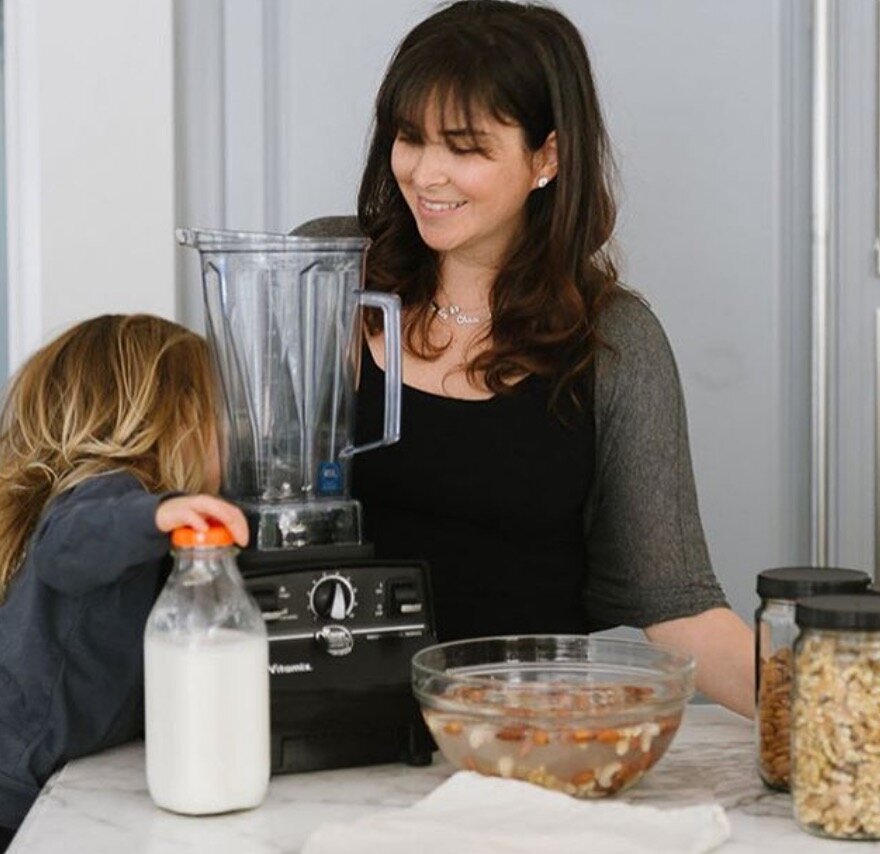
Be Organic Season 3 – Episode 07 – Dr. Organic Mommy / Nutrition, Parenting, And Healthy Habits
Kat and Landon sit down with Dr. Natasha Beck (AKA Dr. Organic Mommy) to talk all about food & nutrition, parenting, and creating healthy habits for your household. Listen to learn about pantry staples, dairy or gluten-free food options, and the importance of involving your kids in the kitchen.
Listen as they dive into topics about self-esteem and independence in children, fostering frustration tolerance, and setting boundaries for technology. Making improvements doesn’t have to cost money either! Dr. Organic Mommy also talks about five non-toxic things that cost no money.
TIME STAMPS
2:52 How to introduce foods or superfoods to children at a young age (jump to section)
4:02 Bring your kids into the kitchen (jump to section)
6:16 Dr. Organic Mommy’s pantry staples (jump to section)
9:34 Dairy or gluten-free options (jump to section)
11:32 The importance of boredom in children (jump to section)
14:29 Boundaries for technology (jump to section)
16:47 How to foster emotional development during newborn stages and on (jump to section)
18:49 Encouraging self-esteem and independence in children (jump to section)
21:30 Fostering healthy sleep habits (jump to section)
26:27 “Greenwashing” marketing and how to make good choices (jump to section)
31:22 Five non-toxic things that cost no money (jump to section)
Transcription Below
Kat Eckles: Welcome to Be Organic.
Hello, Be Organic listeners. We are so excited to have you all today. I’m Kat Eckles. I am solo. Normally, my wonderful husband is here, but he is at home with our little ones while I get to talk to our wonderful guest about raising our little ones. We are so excited to have Dr. Natasha Beck on with us today. She’s an MPH with a Doctorate in Psychology. She’s a parenting expert and founder of Dr. Organic Mommy, an online resource focused on pregnancy, parenting, and non-toxic living. Dr. Beck holds a Doctorate in Clinical Psychology specializing in Pediatric Neuropsychology and a Master’s in Public Health specializing in Child and Family Health. She’s also certified in leadership education and neurodevelopment disabilities from the Children’s Hospital of Los Angeles. From how to handle tantrums, to mealtime difficulties, to helping families live healthier lives, Dr. Organic Mommy aims to help every family make healthy decisions, drawing on her experience as a mom and parenting expert. All proceeds from the Dr. Organic Mommy website go directly to charity, which is awesome.
In addition to her very popular Instagram channel, @dr.organicmommy, Dr. Beck has been named one of the top 100 Health and Wellness Influencers in 2020 by the New Hope Network. She has been featured in: “The New York Metro Parents Magazine”, “Kindhumans Bumkins”, “Benzinga”, and “Romper”. She has appeared on the Atomic Mom’s Podcast with Ellie Knaus, The Hamilton Review, and got to talk with Sonni Abatta, as well as Mama Said with Jamie-Lynn Sigler & Jenna Parris. When she’s not working on Dr. Organic Mommy, Dr. Beck is busy raising her three children, while pregnant with her fourth, and her two fur babies with her husband. She serves on the board of the UCLA Mattel Children’s Hospital, the Los Angeles Football Club Foundation, and the Environmental Working Group, which is absolutely incredible.
You’re very busy, so we’re very grateful to have your time today. Thank you so much for joining us.
Dr. Natasha Beck: Thank you so much for having me.
Kat: It sounds like you just have a wide variety of interests and topics. I’m sure we could probably have you on for ten different podcasts, but I kind of wanted to do a general deep dive today and we could talk about a couple of categories like food and nutrition, some parenting styles, and healthy habits for your family. Does that sound good?
Natasha: Sounds great.
Kat: Awesome. So, what we do, we’re the podcast for Clean Juice. As you know, Clean Juice is an all-organic juice and smoothie bar, and it really started for us because I wanted to eat healthier and I wanted my kids to eat healthier, but I didn’t like fruits and vegetables. You know, I couldn’t serve a grilled organic chicken breast with Brussels sprouts every day because my kids weren’t going to eat it. So I was like, “All right, we gotta figure out how we can get more fruits and veggies into their diets.” I found we can get everything in a smoothie and they’ll eat or drink it. I would love to hear some kind of tips from you on how to introduce superfoods and healthier foods at younger ages for kids.
How To Introduce Foods Or Superfoods To Children At A Young Age
Natasha: I love that you guys started that because I think it’s incredible, and I’m all about smoothies, definitely for kids. My other tip with smoothies is if they don’t finish it, you just pour it into a popsicle mold, and then they can actually eat it later on as an afternoon snack. Presenting it in a different format and in a different texture sometimes can make it a little bit easier for kids who tend to be more cautious.
Kat: That’s actually really smart. Then they think it’s ice cream or a popsicle.
Natasha: Correct. I think with food, especially with getting a lot of superfoods in them, you start from when you introduce just a basic piece, like a slice of avocado. If you can take some fresh whole chia seeds or flax seeds, you always want to buy them whole, then grind them up fresh, then roll them with a slice of avocado in it. It actually makes it easier for the baby to hold onto, and then they’re getting those superfoods in them right away.
Kat: That’s brilliant. I know you’re a big proponent of having the kids in the kitchen with you, you think that kind of brings them into it and helps them experience it. What’s a good way you go about it? I know sometimes I’m telling my kids to get out of the kitchen so I can get things done. How do you work with them and bring them in so they’re involved?
Bringing Your Kids Into The Kitchen
Natasha: I think you have to realize that when you have kids in the kitchen, you are going to expect them to fail, and you want them to fail. You don’t want to kick them out of the kitchen because eventually, you are going to want their help. If you keep telling them, “No, I don’t need your help, go do something else,” eventually they’re going to stop offering the help and they’re not going to be a contributing member of the family. So, you do want to give them opportunities in the kitchen, but you want to give them opportunities that are developmentally appropriate. I like to start off with my one-year-old in the kitchen, they’re starting to stand up or they’re walking.
You can get one of those learning towers where they’re actually enclosed, you can give them a bowl, and you can have them help pour things. If I’m pouring in a half a cup of flour, I’ll put it into a one cup of flour so that they don’t actually just pour it all over the place. I’m making it a little bit easier for them and realizing that they will spill. I even did a reel on how you actually correct the child as opposed to getting mad at them and what it looks like from their point of view when you do lose it and get so frustrated when they spill.
Just letting them know, “Oh, you spilled some flour. Soon, you’ll learn how to pour where you don’t spill it. Let’s clean it up together.” It’s just being calm and relaxed with them, and it actually slows them down, which is really important. It’s really great when you get the kids in the kitchen that they’re seeing what’s actually going into their food. That’s the first way that you get kids to be more interested in, say, vegetables, for example, because they’re seeing what’s going into their food and they’re tasting it as it goes. If you’re making a smoothie at home, have them taste it and say, “Does it need a little bit more sourness? Does it need a little bit more sweetness?” So, they can make that decision on their own and they feel that they have more buy-in, which is always really important with kids.
Kat: I love that, and I love the tip of putting the half a cup in a whole cup. I’ve never thought of that, and it makes so much sense.
Natasha: Yeah because it’s less likely to spill.
Dr. Organic Mommy’s Pantry Staples
Kat: Yes. What are some pantry staples that you have in your house for your kids and for healthy eating for your family?
Natasha: Great question. I’d say my number one thing that I use almost all the time is unsulphered organic blackstrap molasses. What I love about blackstrap molasses is it’s very high in iron. It’s a great way to get iron into kids because if you’re breastfeeding your child, iron in breast milk actually starts to drop off after six months of age. Unfortunately, a lot of pediatricians will actually push iron supplements, which can be harder on the stomach, but if you can get it through their diet, it’s a lot better.
Blackstrap molasses, actually, I add to pancake batter, muffins, and to oatmeal every morning. It’s a really easy way to get that iron in there. You just want to make sure that you don’t give it with dairy because dairy can impact the absorption of iron. You want to pair it with something that’s high in vitamin C because that helps the absorption of the iron.
So, with my veggie-loaded oatmeal in the morning, you can grate zucchini, which is very bland. People think, “Oh my goodness, there’s zucchini in the oatmeal.” You don’t even taste it, and then you grate some carrots because carrots are naturally sweet, and I like to call it nature’s sprinkles. The kids actually see the carrots and the zucchini going into the oatmeal. Put in blackstrap molasses. Start off with a teaspoon and then go up from there to see how your kids like it. It’s not sweet, so just be mindful of that.
Kat: I would’ve thought it would be sweet, actually.
Natasha: Right. It’s not actually sweet, they take out all the sugar. It’s actually very rich and thick, and it can be a little bit more bitter, so just be mindful of that. I love putting that in a kid’s oatmeal to start, and that way you’re exposing them to veggies first thing in the morning.
That’s my number one thing. I think I probably love having buckwheat and teff flour in the house. I also store those in the fridge or the freezer so they last longer. I use that in pancakes, breads, and muffins. It’s really great because it’s nutrient dense and actually gluten-free, so people who are sort of gluten intolerant can actually have buckwheat and teff. They’ve got tons of protein in there too, so it’s really filling for kids as well. You can think, “Alright, I gave my kid a nice healthy breakfast.” It’s not full of white flour or anything, buckwheat flour is really great.
Then I would say Skout bars are also something I love to have in my pantry. It’s one of the only bars that I actually let my kids have. It’s like a packaged snack. They have no added sugar, and they actually use dates to sweeten the bars, so that’s great because that’s unrefined sugar. Dates are great because they have tons of fiber, so you’re not getting that huge insulin spike. They also pair it with various fats from protein in there like sunflower seeds or pumpkin seeds. You don’t end up getting to the point where you actually want to have a snack another half hour later, where your kids are like, “Oh, I’m gonna have Pirate’s Booty”, or whatever it is. Maybe some organic puff, and then they’re asking you for more snacks later on because they’re not satiated because it’s not a balanced snack. I’d say those are my three top things.
Dairy Or Gluten-Free Options
Kat: That’s awesome. Do you follow any strict diets like gluten-free or dairy-free? Are you pretty relaxed with all that?
Natasha: My daughters are actually allergic to dairy, so we can’t actually do dairy. My oldest outgrew dairy allergies, so we will give him some raw dairy every once in a while, just the raw cheese. I personally was vegan for a very long time, so it’s hard for me, I can’t do cow’s milk personally. I always say it’s really important to make sure if you do dairy, make sure it’s organic. Make sure it’s not ultra-pasteurized because it’s super processed that way and they take out all the nutrients, so that’s important to look for. You want to be mindful of gluten because a lot of gluten is sprayed with tons of glyphosate, which is a harmful pesticide that can impact your body in a number of different ways. If you’re going to eat gluten, look for the nutrient-dense glutens like the ancient grains, your Einkorn flour, your spelt flour. If you’re going to do bread, do sourdough because it’s fermented, and it’s much easier for your body to digest.
Kat: I do great on sourdough bread. In fact, I almost feel like it helps my gut in the morning. I feel like I just need carbs.
Natasha: Yeah, I hear you.
Kat: First thing in the morning, I’ll have sourdough toast with just some organic raw butter and I do great on it.
Natasha: That’s amazing, yeah. You got your fat with your carbs, so it’s more balanced for sure.
Kat: Absolutely. Well, I’d love to talk a little bit about parenting. I know we’ve talked about this. You’re pregnant with your fourth kid and I have five kids, so between us, we’re nine kids deep.
Natasha: We have quite the bundle.
Kat: Yeah. You talk a lot on your platform about different parenting techniques, which I align with you on a lot of them, and I look up to you on a lot of them. One that kind of stuck out to me was your talk about the importance of boredom. I would love to hear you explain your theory there and what that means for you and your family.
The Importance of Boredom In Children
Natasha: The importance of boredom starts right away. I think parents often get into this habit of feeling like they need to entertain their child, and the child never learns to actually play independently. Even with young babies, they’re constantly being stimulated by lots of noises and lots of colors, when in reality, they’re new on Earth. They have never seen a tree, they’ve never seen the wind blowing the leaves, and they’ve never seen shadows, so that’s all really intriguing to them. Even their hand is exciting to them because their hand looks different outside of the body than it did inside in utero.
I think for parents, we have to let go of the idea that we have to entertain our child so much because they’re constantly being entertained by everything around them. Why that’s so important is because they need to build frustration tolerance. When we’re constantly swooping in to fix everything to help them to solve everything, it unfortunately backfires because eventually, they don’t know how to deal with it later in life.
There are consequences to that. When your child is sitting and, say, building blocks and it breaks down, falls, and they get so upset, I want you to just feel present in the moment and not feel the need to fix everything. Something that I often tell parents is it’s not your job to make your child happy. It’s your job to help them learn how to be comfortable with being uncomfortable. In today’s world, it’s really hard to do that, especially because everything is getting to you within the hour or you can get it right away. Everything’s on demand. You can look something up instantly as opposed to spending time looking it up in the encyclopedia. We have to teach our kids delayed gratification. We have to teach our kids frustration tolerance a lot more than we used to, unfortunately, because we have so much technology and various advantages in today’s society. I think it’s really important to be mindful of that.
Kat: It’s so true, and I don’t know how old your oldest is, but my oldest is 14 and most of our best friends are kind of in that 15, 16 range. So I have a house full of teenagers all the time, and it’s really that first generation that’s come out of this technology era, and I just can’t believe how different they are from me 20 years ago. I mean, it really is true that everything’s instant, everything’s gratification, and everything’s done over messaging and over the phone. My kids are blessed to have a great group of friends, but the culture is just like you said, it’s instant, they’re talking over Snapchat, and they’re not even talking in person.
Boundaries For Technology
Natasha: Right. They’re actually doing it right in front of each other, ending up on the phones when they’re sitting with each other. It’s definitely tough. I think in today’s world we have to be mindful of that and set boundaries, and eventually, our kids will appreciate it. In the moment, your kids are going to be frustrated and you don’t want to just take it away, especially with your teenagers, without having a conversation. Explain to them your point, and explain to them the reasoning.
In our day, I think when we were younger, our parents would say, “We used to walk to school in the snow.” or, “It was so hard and now you have it so easy.” Then we used to think, “Oh my goodness, they’re just so old.” I’m sure teenagers are going to think that about us, but the important thing with teenagers is to hear them out. We really need to make sure to validate their feelings and acknowledge what they want.
It’s the same thing with kids, but you’re having a more intellectual conversation with your teenagers and hearing them out. You really just need to explain your reasoning and that you have a job as a parent. Kids appreciate boundaries. When you just let them go loose, it makes them feel very unsafe. Your older kids are not going to say that, but it’s true when you are sitting there with them. This is why it’s so important when they’re younger, when you’re sitting in there with them, not to fix everything. Then they trust that when they’re older, they can come to you and say, “I’m struggling with X, Y, and Z,” “My friend is doing drugs,” or whatever it may be. They’re not going to sit there and feel like you’re going to try and solve everything for them. You’re going to sit there, be present, listen, and not judge them.
Kat: Yeah, absolutely. I think that’s the best piece of advice for teenagers that I’ve heard because it’s hard and they’re going through hard stuff and real stuff. Everything’s documented. That’s the other thing, our lives weren’t documented as teenagers. Everything’s recorded: everything said, everything you’ve written, everything you’ve done. It’s a really different world for them. So, the fact that they can feel safe and can solve some of this stuff themselves is really important.
Natasha: It definitely is. I think education is the biggest piece. When you have to sit there and let them know that all of this is being recorded and monitored. How would you feel if you actually went on a job interview and someone were to look this up and find out that you wrote this or that you posted this? You have to have those conversations with your kids.
How To Foster Emotional Development During Newborn Stages And Beyond
Kat: Absolutely. Let’s go back from teenagers back to birth. You talked about how emotional development starts to begin at birth, and we talked about how the baby sees their hand and everything’s so exciting. What are some ways that a new mom might be able to foster some of that emotional development, even as early on as the newborn age?
Natasha: Right away it’s all about narration and telling them what you’re doing. I wouldn’t go up to you and just take your jacket off of your body without saying, “Can I help you with your jacket?” because that would be a huge invasion of your body. I do that with children. When I’m putting their arm through the sleeve, I’m tapping their arm so they are aware that’s what I’m going to be doing and I’m talking to them. I’m saying, “Your arm is going through this sleeve. I’m taking off your diaper now, I’m going to touch your legs. I’m going to push your pants down.” It’s really important to let them know that.
Even potty training actually starts right at birth. You may think I’m crazy. What I mean by that is when you’re actually changing your child’s diaper, if you have a certain tone in your voice or you have expressions on your face of “Oh, this is gross, this is nasty. Oh my God, this poop is gross,” your child hears that and they pick up on that. They feel that, and they actually start to have a negative association with their bowels. That’s why, a lot of the time, children are starting to struggle with bowel movements because they have this negative association that started early on when their parents were changing their diapers. You want to have that positive association when you’re changing diapers. It’s really important.
Kat: That’s awesome. You don’t even think about that kind of stuff when you’re in there, right? You’re just trying to go about your day and get your tasks done, but they’re picking up on everything and you’re their whole world. It’s really important that they’re able to mirror you and you’re able to give good positive reinforcements there.
Natasha: 100%.
Encouraging Self-Esteem And Independence In Children
Kat: I know you also believe that with self-esteem and independence, all of that happens at an early age too and obviously it’s so important for kids. What are some of the ways that you make sure to really encourage positive self-esteem in your kids?
Natasha: With a lot of parents today, it used to be known as the helicopter parent, right? Where you just come in and solve everything for them. Now it’s the bulldozer parent where they’re just removing all obstacles for your kids. Unfortunately, that really does backfire as well. You want to make sure that you provide room for your child to fail, like I said earlier, and let them realize that they are going to make mistakes and you want to give them chances to do things on their own.
That all helps contribute to self-esteem. Getting them in the kitchen with you to help contributes to self-esteem. Make sure not to praise them and say, “Good job. Oh my God, that’s the most amazing thing,” and, “Ah, yay!” Instead of doing that, all your child’s actually wanting from you when they show you something is they want you to join in the activity.
When they’re showing you a picture they drew, they’re not wanting “Good job. You’re a great artist. Oh my God, that’s fantastic.” They’re wanting to let you join in on what they’re doing. So, you’re going to say, “Oh, you used a lot of colors” or, “Yeah, it looks like you drew a rainbow, tell me about it. What did you draw?” Maybe they didn’t draw a rainbow, it just has a lot of colors and you’re not sure. Praise is really important because that really does impact their self-esteem. Instead, if they say they cracked an egg for the first time, say “You cracked an egg, you did it by yourself.”
It’s very different from me saying that versus “Good job. Oh my goodness,” because that “good job” is actually more for you. I’m the parent that has the child who cracked the egg on their own. You’ve got to think about why you’re saying something. Is it more for you or is it actually helping your child?
Kat: That makes great sense. I’d love to talk about healthy habits too. I know that’s something that’s very important for you. I think for any family and especially a large family, it’s really important to get on good routines, be organized, and just have certain things that you guys do. It’s funny, for me, I’m probably a hippie at heart. I always say I’m kind of like a gypsy personality. I’d be the shoeless mom on a beach somewhere.
Natasha: I’m totally with you on that one.
Fostering Healthy Sleep Habits
Kat: I can use all the help I could get with this, but the first thing that is probably most important, for adults and kids alike, is sleep and making sure that we have healthy sleep habits. If my husband was here, he’d be laughing at me because that’s probably the worst area for our family. They all want to co-sleep with us so they’re all crawling into bed, then he’s getting mad and moving to the couch, this one’s kicking that one, and we get them over here then moving over there. What are some tips for getting on a good routine with your family? Especially the little kids that want to co-sleep, but then I have my teenagers who want to be up all night. There are probably across-the-board things that we could be doing differently.
Natasha: It’s definitely a tough balance, and I’m not in that teenager mindset yet. My oldest is seven, then I’ve got a five-year-old, almost three-year-old, and then this one will come soon. It depends on what’s important for you and your family. If you believe in co-sleeping, I think that’s great and you can do that. The one thing I always caution parents is making sure that you have time with your spouse so your relationship doesn’t suffer from them.
As far as sleep habits go with kids, there are a few things. Your sleep environment is really important. Just like when you go to a restaurant, you love to have a great setting and great ambiance. It makes it more enjoyable and you enjoy the food more. The same thing goes for your sleep. You want your sleep environment to be really calming, really neutral, and not overstimulating. I find that kids if they’re in their own rooms or they’re sharing a room, especially for little younger kids, they have too much stuff in their room. So, not only is it overstimulating, but for younger kids, around two and a half when nightmares start to develop, those toys come alive at night for them. It becomes really scary for them.
You just want to have their bedroom as neutral as you can. I would prefer no toys if possible and have those toys in a more common space. You can have books for sure and display those books, but that’s about it. When it comes to your bedding, you want it to be really calming and inviting. I think it’s exciting for parents to think, “I’m going to get the race car bed, the princess bed, or their favorite Peppa the pig characters.” While that might be fun and you’re thinking, “That’ll make my child enjoy sleep more,” that’s really on you because you’re feeling nervous. You’re projecting that nervous energy about whether or not your child is going to fall asleep onto your child. You feel like you need to make up for it by buying certain character type bedding, but in reality, it’s actually overstimulating for them.
You want to keep those sheets calm with solid colors. Make sure you have a calming nightlight. Make sure that the nightlight isn’t a bright blue light, you want it to be a red hue. That’s why I love those rock salt lamps because they dim. You put it on the other side of the room, plug it in, and it’s really calming for them. You notice that it’s like I’m setting up a nice environment. That’s really key.
The next thing is you want to have your routine set up. A lot of it is having dinner with a family. Sometimes what I find is helpful for some kids who tend to be really wound up is going for a quick little walk right after, for a twenty-minute walk saying goodnight to the moon and the stars. It helps set the tone so they get that rush of energy after dinner with that after-dinner walk.
You can either do bath time after that or do bath time before, but I do think bath time is really important because it helps to calm the child down. I also don’t like a ton of toys in that bath because I want it to be relaxing. I personally love to do an Epsom salt bath because most kids and adults actually are magnesium deficient. That’s a great way to get some magnesium in you because you absorb it through your skin, and it’s actually very calming too. That’s another way to help with their sleep. Then, reading their books, having a set number of books, brushing their teeth, flossing, et cetera is all really important. Then I always like to say goodnight to the moon and the stars, especially for young kids, I think it helps. Say, “It’s time to go to bed.”
Kat: Yep, everybody’s going to sleep.
Natasha: Yes, but I get it’s harder for the older kids. I think the way you do that is you have to straddle it. You have to put younger kids to bed first. Even if you have your baby, you put the ones in the middle down first, then you put the baby, and then you tell the teenagers, “Hey, I know you’re on screens, or watching a movie, or whatever. I was really mindful when you guys were younger to protect you from that. So I need you to keep that in mind for your younger siblings.”
Kat: Yeah, that’s good.
Natasha: “I did that for you, I need you to do that for them. So, please go into a separate room or just wait until they’re down, then you can do it.”
Kat: That’s good. We actually turn our wifi off at night, so I have a wifi timer. Of course, it started at 10:00 PM but now it’s 11:30 PM for the teenagers. So at 11:30 PM, they don’t even have the option anymore because the wifi is gone.
Natasha: I love it. I’m all about that.
Kat: It works.
Natasha: I wish I could do that for my husband.
Kat: Yeah, that’s funny. My husband gave me the biggest problem with it all, so if there’s a late football game, he’s going to switch it so it doesn’t turn off.
Natasha: Yeah, I get that.
Kat: The magnesium’s great too because it helps him fall asleep.
Natasha: Yeah, it does. It actually, can help them with sleep for sure.
Kat: That’s awesome.
Natasha: I try to use that as opposed to melatonin or some kind of other supplement that they can actually get addicted to and you shouldn’t be using on a daily basis.
“Greenwashing” Marketing And How To Make Good Choices
Kat: Absolutely. The next thing I wanted to talk about, which I’m sure we can lament on together, is all the marketing that’s focused on these kids. It’s from these big brand products that have artificial dyes and colors, and it just seems like it’s all around them all the time. We go to a tiny, small Christian school, but at every sporting event we go to, there are racks of snacks that they can buy, and it’s only Cheetos, artificial colorings, and red dye. I just feel like they’re bombarded more than ever with these snacks, these things that are unhealthy for them, the messaging, and the availability. What are some ways you keep that out of your household or your family, especially when you’re going out? I think it’s a little bit easier when you’re in the house because you’re kind of the gatekeeper, but I really struggle with when we go out and everyone’s eating them. How do I let them have a normal childhood but still protect them and help them make good choices?
Natasha: It’s definitely tough, but it really comes down to education and alternatives. For kids, you want to start as young as you can, if possible, to educate them and let them know that there are foods that help you grow and there are foods that don’t help you grow. My saying is if you’re going to eat the foods that don’t help you grow, eat the good stuff.
Instead of like a candy that’s got red dye 40 in it that’s banned in Europe and unfortunately not here, I’d rather you have a cookie because at least that has whole food ingredients. That’s something to keep in mind. With kids, artificial food dyes, preservatives, and even the added sugar, refined sugar, it all actually really impacts their bodies. Let them know how it feels and make sure that they know that association. You want your kids to pay attention to how they feel after they eat those things. Do you feel like your stomach’s sticking out? Do you feel like it’s harder to go poop? Do you feel like you can just run around forever? Those are things that aren’t normal. You want your kids to make that connection.
Then in terms of when you’re going out, I always like to bring backups and alternatives. If they’ve got Cheetos, I’m going to bring the Siete chips or the organic corn chips with quinoa that my kids still love. Then they recognize that there’s a difference and I say, “Let’s look at it together.”
This actually came about with my seven-year-old when we were trick or treating on Halloween, and he’s like, “Oh, I wanna try some of the pieces of candy.” I said, “Alright, well, let’s look at the ingredients together and then you can make up your mind, because I have some alternatives at home that are still candy, but they don’t have the artificial food dyes, so let’s look at it together.”
We looked it up online because the bite-size candies actually don’t have the ingredients on them. He’s looking at it and reading it. He’s like, “No, I changed my mind. I don’t wanna eat that. That sounds weird, it doesn’t sound like food. I’ll eat the other candy because I know what spirulina is. I know what beet juice is. It’s just the coloring, but it’s from a plant.” I think it’s really about educating them and letting them make that decision. If your child does want to try the Cheeto, which my oldest has, again, it’s making sure that they pay attention to how they are feeling with their body, and he didn’t feel good afterward. He was like, “It wasn’t worth it.“
Kat: Yep. My kids will literally vomit, especially the red food coloring. They’ll just throw up.
Natasha: It’s awful. I mean, there are tons of correlations even with kids with ADHD, it’s even worse for them. It really messes with their ability to focus, and for kids in general, it makes it so much harder for them in school. Why add that added stress to them when they don’t need it?
Kat: Absolutely. The last thing I wanted to talk about is: I know a lot of people talk about non-toxic living and wellness things that they perceive as too expensive or cost too much money. I always say it’s really expensive to get sick. It’s really expensive to have your body not functioning at full capacity. What are some tips? I think you have five of them that you’ve talked about somewhere that are non-toxic things that cost no money at all.
Five Non-toxic Things That Cost No Money
Natasha: Yeah, that’s what I always like to start off with because I think it is overwhelming. I always tell parents social toxins can actually be worse than chemical ones. I mean that the stress and the worrying about it can actually be worse for your body because those increases in cortisol actually depress your immune system. There are a lot of free things out there, starting off with just leaving your shoes outside. People don’t realize that there are tons of bacteria in different places and on the bottom of your feet when you’re walking around the city all day, and then you bring that right inside.
The next thing is to open your windows. Indoor air has ten times more pollutants than outdoor air, which I think is really shocking to some people because you think, “Inside I’m not breathing in the dust, the smog, or stuff from the fuel from vehicles and whatnot.” You’ve got tons of stuff in your air inside from volatile organic compounds, paint, formaldehyde, the different glues in your cabinetry, to your wood, flame retardants that are on, unfortunately, your mattresses most of these days, and PFAS (most people think of as Teflon, which is what most people are familiar with) which is a stain-resistant, water-resistant chemical that they add to couches, carpets, and you don’t actually realize you’re breathing it in.
I always tell people, remember when you see a ray of sunshine coming in through your window and you see all those speckles, you’re breathing all of that in. Opening your windows helps, which is just a free thing that you can do. When you’re cooking on your stove, make sure that the vent is open because there are a lot of different gases coming from a gas stove that you don’t want to breathe in. Having that window open also in your kitchen with the vent on is really important.
Make sure that you get outside with your bare feet. I definitely can sympathize with you on that because I sometimes will walk out of my house and realize that I don’t have shoes on. I forget because I’m always barefoot, but it’s really important to actually get outside and be barefoot even if it’s freezing weather and it’s cold. I get my feet outside first thing in the morning, it helps wake me up. I know some people say it sounds spiritual or hippie when you feel like there is energy from the earth, but there is.
You get a lot of different nutrients from the soil, but you have that energy from the earth. You pick up on that and you feel connected, you feel grounded. It’s actually called grounding when you are barefoot outside. That helps set my circadian rhythm for the day. The first thing I do when I travel is making sure in the morning when the sun is up, I go and put my bare feet outside because that helps prevent me from getting jet lag.
It’s not exactly free, but when you’re going to the grocery store, try to stay on the outer aisles, stay away from the packaged foods, and get more produce. I’d rather you get more produce in your diet, even if it’s conventional and not organic, because that’s more important.
Kat: That’s great. That’s awesome. Well, Dr. Beck, like I said, I think we could probably have you on for twenty-five more podcasts. I think you’re a wealth of information and knowledge, and I’m excited for our guests to get to follow you and follow along with you. Let’s talk real quick. Why don’t you tell everybody where they can find you, your Instagram, website, or any of that that you have going?
Natasha: Thank you. Yeah, my Instagram is @dr.organicmommy and the website is drorganicmommy.com. I have tons of recipes and blogs on everything from parenting, to non-toxic living, to nutrition to kind of help everybody in their journey.
Kat: Awesome. Well, we always like to wrap up by asking our guests: What is your one tip for living your life organically?
Natasha: Oh, that’s a great question. I would say self-care is super important. You have to take care of yourself first because it’s the same idea as why you have to put your oxygen mask on first on the airplane before you put it on your child. If you can’t take care of yourself, you can’t take care of your kids and your loved ones, so make sure to put yourself first.
Kat: I love that, awesome. Well, thank you so much for your time today, we know you’re busy. Congratulations on your success, your family, and your pregnancy. We’re just excited to see you. We have our first L.A. store opening early next year. Maybe we’ll get out there and get to see you.
Natasha: I can’t wait to check it out. Yes, if you guys come out, just make sure to let me know. I’d love to come check out Clean Juice here.
Kat: Awesome. Well, thank you so much, thanks for all you do, and have a great day.
Natasha: Thanks, you too, Kat.
Kat: Thank you so much for tuning in today to Be Organic. We’re so excited for you to become healthier in body and stronger in spirit.
Landon Eckles: So if you like what you heard today, please be sure to subscribe on Apple Podcasts to never miss an episode.
Kat: We’d love to connect with you over on Clean Juice’s Instagram. Give us a follow, and slide into our DMs with any suggestions for guests or topics that you might want to hear more about.
Landon: All right, y’all. Thanks for listening. Have a great week and remember to be organic.
Kat: Just a quick legal disclaimer, we are not doctors. While we absolutely love discussing wellness and nutrition with our expert guests, you should always talk to your physician or other medical professional before making any dietary or lifestyle changes. They can assess your specific needs and come up with a plan that works best for you.
In addition, this is for educational purposes only. Clean Juice Franchises are only offered by delivery of a franchise disclosure document in compliance with various state and federal laws.

Be Organic Podcast Season 3, Episode 6 – An Ear For Parents, A Voice For Kids – Managing Inflammation
Chronic illness in children is on the rise, and many moms have had to take their child from doctor to doctor trying to get to the root of an illness. In today’s episode, Kat sits down with Dr. Sheila Kilbane to discuss how integrative medicine and nutrition changes can help with these illnesses, especially for children.
Listen to learn about 5 main triggers of inflammation, how processed foods and environmental toxins increase inflammation, how to heal and protect the gut, and more. Kat and Dr. Kilbane also dive into the world of supplementing and how to monitor your children for symptoms so that you can catch inflammation problems early on.
TIME STAMPS
1:35 Why Chronic Illnesses Is On The Rise In Children (jump to section)
4:12 Processed Food Builds Up Generationally (jump to section)
6:01 How To Manage Inflammation as it Relates to Pediatric Health (jump to section)
9:52 Kat’s Child’s Experience with Toxin Injuries (jump to section)
10:52 Early Signs of Inflammation to Look Out For (jump to section)
12:43 Leaky Gut (jump to section)
15:51 Allergies and Asthma as an Inflammation Response (jump to section)
19:21 It’s More Than Just Food: Environmental Toxins (jump to section)
22:36 Supplements (jump to section)
Transcription Below
Kat Eckles: Dr. Sheila Kilbane MD is a board-certified pediatrician who trained in integrative medicine with Andrew Wheel MD and is a bestselling author. She uses the best of conventional and integrative medicine to identify and treat the root cause of children’s illnesses. Her goal is to help children reach optimal health so they can thrive. Using her seven-step process along with natural and nutritional therapies, Dr. Kilbane helps significantly improve or resolve altogether childhood illnesses such as colic, reflux, eczema, recurrent ear and sinus infections, asthma allergies, constipation, loose stools, and other GI issues such as abdominal pain.
In addition to seeing individual patients at her private practice in Charlotte, North Carolina, Dr. Kilbane gives educational lectures to parents and healthcare professionals around the globe and offers online education courses. Wow. You’re doing awesome things, and we’re so thankful to be able to have such a powerful force on our podcast today, and right here in our backyard, Charlotte. Thank you so much, Dr. Kilbane. We’re so excited to have you.
Dr. Sheila: Oh, thank you, Kat. I am super excited to be here and the work that you all are doing is amazing. Thank you for all that you are doing.
Kat: Aw, we appreciate that. Well, I have five kids, so I know all about all these things: colic, reflux, eczema, ear and sinus infections. Of course, being in the natural world, I know a lot about the great ways that integrative and traditional medicine can work together to solve these. I’m really excited to dive in here.
Dr. Sheila: Yes, me too.
Why Chronic Illnesses Is On The Rise In Children
Kat: Sadly, chronic illness in children is on the rise. I think they say up to 50% of kids currently have chronic illnesses. Many more have had to take their child from doctor to doctor trying to figure out what’s going on or what’s the root because of some of these illnesses. What are some of the things that you’re seeing? What responds really well to integrative medicine and nutrition changes?Dr. Sheila: Yeah, chronic illness is definitely on the rise, and we could talk for hours on the why, but what I think is happening is we’re giving our kids a lot of things that aren’t really food. We have a lot of things in packages, and we have a lot more toxins and environmental exposures that we’re getting more than ever before. Herbicides and pesticides are a very big component of commercial farming. We’re literally spraying these plants, the plants absorb these herbicides, and that can change what’s happening with our gut.
I know you have a very educated audience, but we have our gut. Our GI tract is teaming with bacteria, and when we’re putting things in, it’s the soil of the earth and we need to be eating fiber, plants, fruits, vegetables, nuts, and seeds. That is going to feed that good, healthy bacteria. What’s happening instead is that we have a lot of processed packaged foods that don’t have much fiber. They don’t have those nutrients that real food has.
We’re not feeding the bacteria what they need, and then we’re adding these foods that are doing further harm to the bacteria and to the lining of our gut. Then, we’re not able to digest and absorb our nutrients effectively and efficiently. It’s kind of a downstream effect, but what I affectionately call overfed and undernourished. That just leads to the illnesses that you talked about, that are really the ones that respond well to integrative medicine and to nutrition changes.
There’s an underlying inflammatory component that we can talk about. Does that make sense? It’s because people always want to know, why is this happening? Why is this happening with my kids?
Processed Food Builds Up Generationally
Kat: Yes. I think this generation of kids, probably even more than my generation and certainly my parents’ generation, from the get-go and during pregnancy, their parents have been fed all these processed foods. It’s like a buildup. I think that’s why we’re seeing it younger and younger because I know a lot of people argue that “I wasn’t eating organic food and my parents weren’t.” You almost didn’t have to as much back then.Right now, this generation has been bombarded with Chick-fil-A three times a day. I have teenagers in my house all the time, I’m like, “Stop eating cookout and Chick-fil-A for your four meals a day.” That never happened in even my time. I just think that it’s more and more of the processed food coming in, which is really the problem.
Dr. Sheila: Yeah, a hundred percent. That’s what we talk about often, and we will say that we are now having the first babies of moms born where high fructose corn syrup was in the picture. Roundup, which is the herbicide that’s used in commercial farming is used, and a lot of people have it just around their house. Exactly. I agree a hundred percent. I just think that we’re changing what we’re putting in our bodies, but we’ve also changed the diversity of the bacteria in our gut.
Kat: Yes. In your book, Healthy Kids, Happy Moms: 7 Steps to Heal and Prevent Common Childhood Illnesses, you outline the triggers of inflammation, and I know you just mentioned the concept of inflammation and illness. Can we get into this a little bit more and explain how that inflammation relates to pediatric health?
How To Manage Inflammation as it Relates to Pediatric Health
Dr. Sheila: Yeah, so I explain inflammation the same way I would explain a sprained ankle. So, what is inflammation? Say you sprain your ankle, it blows up like a grapefruit, and the body is sending a bunch of white blood cells to that area in order to heal the damaged tissue. That’s what we need, inflammation to a certain extent. What’s happened is we have a lot more inflammation, a lot of it from the food that we’re eating and things we’re being exposed to than we ever used to have. If we have a lot of inflammation, that is going to lead to symptoms.If you think about a cup of water overflowing, the overflowing is the symptoms. The runny nose, eczema, reflux, allergies, asthma, constipation, or loose stools. If we look at what the triggers of inflammation are, there are five main triggers of inflammation: It’s food, environmental allergies, environmental toxins, infectious diseases, and stress. Stress can be physical and emotional. Those all equally weigh into our inflammation, and it’s the way that those things interact with our genetics. We all have our certain genetic makeup. It’s the way that we interact with all of these things.
I’ll use allergies as an example. Say your child has allergies to tree pollen and they have really bad allergies in the springtime. If we look at them and say, “Johnny also has some bumps on the back of his arms, he’s got some dark circles under his eyes, and maybe a little bit of constipation. Well, maybe he’s got a dairy sensitivity.” If we pull dairy out of his diet because we know we can’t dig up all the trees, we decrease this cup of inflammation to where it’s maybe only a fourth or a half cup full. In the springtime, when we get that seasonal variation and the tree pollens come out, his glass may go to where it’s three-fourths full, but it may not get to overflowing. He may have fewer allergy symptoms during that time of year because we’re controlling his inflammation better.
We do need inflammation to a certain extent. If you cut your finger, you need cells to go to that area to stop the bleeding. We need it to a certain extent, but what’s happened, and you can see it on somebody’s face, especially in the US with people who look kind of puffy. All those symptoms, that list of things, you can see in people, including being overweight. If we really work to decrease that systemic inflammation, then our bodies start to function better. Our immune systems start to function effectively and efficiently, and we start to break down and absorb the nutrients from our food more effectively and efficiently.
We get these lovely shifts in health. It’s just by being pragmatic and looking at what is right for your child and your family’s systems. That’s what I walk through in the book. I go step by step on how to do that. Does that make sense?
Kat’s Child’s Experience with Toxin Injuries
Kat: Yeah, that totally makes sense, and that’s great. My youngest was really ill when he was younger. We’ll call it an environmental toxin issue, but he got really sick. It’s looking up to when he started displaying crazy symptoms, which were awful GI, fevers, et cetera, et cetera. I remember even early on, I was seeing really low temperatures, even rectal temperatures. They were 95 and 96 degrees, really that was concerning. That was the first sign of inflammation for me. Like you said, we could see some skin stuff and some slight GI stuff. Then it was confirmed when his symptoms got crazy and his set rate and his C-reactive protein were off the charts. What are some of those early signs of inflammation that parents could pick up on before it gets to the point where you’re seeing those crazy blood work numbers?Early Signs of Inflammation to Look Out For
Dr. Sheila: Yeah. Thank you for sharing that because that’s such a good example of how it just starts on gradually and then it snowballs. In conventional medicine, we call these signs of inflammation. We call it the allergy march. We just never learned it in terms of inflammation. The kids start off and they might be colicky, they might have a lot of gas, and reflux. Then we start to see things like eczema, we see bumps on the cheeks and on the back of the arms, mouth breathing, and snoring. They might start to get fatigued. Their little cheeks might be bright red. Then we can have that chronic runny nose, constipation or loose stools, and belly pain.If we back up and say, “Okay, we’re getting some inflammation, and we don’t have defenses in the body.” One place is inflammation everywhere, and that’s where you start to see the neurologic-type things happening. When I say neurologic, I just mean things like mood swings and behavior meltdowns. If you have a child who has constipation, when they get to day three or four of not having a bowel movement, typically you’ll see their behavior shift. They’ll handle transitions poorly, they’ll have more meltdowns, and they might not sleep as well. That’s what I explain in the book, and we have all these great graphics that we created.
Leaky Gut
There’s something called the leaky gut. I know many of your listeners would’ve heard of this, and literally we talk about it. The cells along the GI tract should have these nice tight junctions. They should be right next to one another, and that plays a big role in how our body is handling food if we start to have a lot of inflammation. If we’re eating a lot of artificial dyes, colors, sugars, and maybe foods that don’t work with our system (for some people that might be dairy or gluten), we get inflammation along our GI tract. The cells start to come apart, and then we start to absorb proteins and other particles from our food into our bloodstream that we shouldn’t necessarily be absorbing. That triggers that cascade of inflammation, and that’s where we start to see these skin changes.Sometimes the behavior changes and the GI changes, so we just have to work. We have to be super diligent about restoring good GI function because that is what will lead to the rest of the improvements. We joke in the practice that we focus on high school biology and we always talk about cellular health. We need good, healthy fats, and that’s what makes up our cell walls. If we’re talking about how we want a good, healthy GI tract, a good nervous system, and good skin, we need to have good, healthy individual cells. That’s also why nutrition is so important. Most people don’t realize that in medical school, at least when I trained, we got almost no nutrition training. Which is kind of crazy to even say that, right? We learn the extremes. If you have a significant vitamin C deficiency, you get scurvy, but we really didn’t learn how to actually eat. That’s the snowball effect when one thing goes wrong. That’s where integrative and functional medicine are really powerful because we study how everything is related.
In conventional medicine, we more so look at things. We have a GI doctor for the gut, we’ve got a pulmonologist to listen to for the lungs, and we’ve got a dermatologist for the skin. One of the reasons I went into integrative medicine is because I kept seeing kids, and they would do the rounds. They would go to dermatologists for their eczema, they’d go to a GI doctor for the constipation, an allergist for the chronic runny nose, and sometimes a pulmonologist for their asthma. When you look at the big picture of things, we can start to put the pieces of the puzzle and just gradually work to decrease that systemic inflammation.
It doesn’t always mean everything goes away perfectly, right? It just means that we get things under control, and when we need medications, absolutely we use them. That’s why I love integrative medicine. It’s because it’s combining the best of conventional and integrated for more natural therapies. It’s always about the blend, it’s about cellular health, and it’s about looking at all of the pieces of the puzzle.
Allergies and Asthma as an Inflammation Response
Kat: Absolutely. I love that you mentioned allergies and asthma as an inflammation response because I think there are so many parents, myself included for a long time, that didn’t really understand that. You think it’s more of a condition or a windpipe issue, but those things can really be fixed by getting the inflammation down and some lifestyle changes.Dr. Sheila: Yes. With asthma, that was one of the illnesses that early on I started to realize, because what was happening is, I would always listen to moms. I had one mom who said, “You know what, Dr. Kilbane? The baby had eczema and recurrent ear infections.” She said she was still breastfeeding. She said, “I took dairy out of my diet and his eczema improved. The ear infection started to lessen, but he was still getting them.” Then we figured out that eggs were also a trigger for this little boy’s eczema. We kept dairy and eggs out of his diet, and the eczema completely went away.
I started really early on doing more of cleaning up the diet, then removing dairy, and just seeing so many of these issues either melt away or improve significantly. Asthma was one of them. With asthma, eczema, and all these things, the kids have almost a hyperreactive immune system. They get exposed to whatever their trigger is, whether it’s a virus or an allergen. They get this big whoosh of white blood cells that goes to their lungs and tickles the little airways.
Our lungs are like a bunch of tree branches, kind of an upside-down tree, and there’s muscle around each of the tree branches. You could think of it like a straw. These white blood cells go, they tickle the muscle around the straw, and then it constricts. Now we’re breathing out of a really thin coffee stirrer instead of a big, thick straw.
What we do in conventional medicine is use steroids, and the pharmaceutical industry understands inflammation very well. Many of our medications are aimed at decreasing inflammation, right? With steroids, we have them inhaled, we squirt them in our nose, we give them iv, and we do them topically.
In integrative medicine we say, “Okay, can we decrease the inflammation in other ways?” One little boy had a dust mite allergy. He was sleeping on a mattress that had been his uncle’s from when his uncle was in college. We threw away the mattress, took dairy out of his diet, and he was like a different kid. He wasn’t breathing out of his mouth anymore. He wasn’t needing to use albuterol any longer. If we decrease that inflammation internally, we often are less reliant on the medications.
It’s More Than Just Food: Environmental Toxins
Kat: Yep. That makes so much sense. I think that’s actually a really good point I want to highlight too. I think in the wellness world, we over-focus on food, diet, and nutrition. Of course, that’s what I do, I fully believe in it. Those things like the dirty mattress and maybe some of the environmental toxins in the home, they’re so important and they’re so overlooked sometimes. I think it’s just because some people are unaware.I can’t tell you how many people I walk into their house, they have those Bath and Body Works or whatever fragrance things, and they’re saying that their kids are sick all the time. I’m like, “Let’s just get rid of those, and I bet you’ll see a 70% decrease in their symptoms.” Just because they’re constantly being hit with that fragrance. There are so many things like that: mold in the home, old mattresses, or fragrances. Just any little changes like that in the household. Things that have just as big, or maybe more of an effect on the body than food.
Dr. Sheila: For sure. Shortly out of residency, I saw one of the worst cases of eczema that I’d ever seen. At that point in time, I was not clued into all of these things. Luckily they saw a really wonderful dermatologist who figured out it was the Glade plug-ins the mom was using. We have to think about it. If you go into your bathroom, you can see the colorful fragrant array that most people have in their bathrooms. That’s down the line.
We start with the main things, because I always say to families, “If I told you everything I wanted you to do right now, you would run screaming out the door.” We have to start with one place and do one thing at a time. Usually, in the later stages, we start to talk about cleaning products, beauty products, what are we using as our deodorant, and all that kind of stuff. That’s where the book is really helpful for parents, is that I give you step-by-step instructions.
Even with the food, we’re just going to start with the mini cleanse for kids. The first thing we do is just decrease the sugar drinks. If they’re doing sodas, a lot of straight-up fruit juices (not the kind of juice that you would get in your store, but if you’re getting it from the grocery store), and juice from concentrate, one cup of juice like that has about as much sugar as a cup of soda. The amount of sugar that’s in two sodas, which would be about a hundred grams, suppresses the immune system for up to five hours. Just by decreasing the sugar, it’s like taking a boot off of the immune system. Deb, our integrated pharmacist in our practice, I love how she describes it like that.
Supplements
Kat: I love that. That’s so good. Before we wrap up here, let’s talk about supplements real quick, because I call myself the supplement queen. I have every supplement known to man in my huge cabinet at home. I would love to hear about your approach to supplementation in kids, if there are any generic ones that you recommend or you don’t recommend at all, and just how you go about supplementing with children.Dr. Sheila: Yes. The first thing I say is until you know exactly what you’re going to do with supplements, I don’t recommend using them because supplements are definitely not all created equally. You can get a lot of junk in supplements, especially for kids, because in order to make them colorful and to make them tasty, they often will add a lot of things in them. That is the first thing, but the second thing is I definitely use supplements in the practice and the focus is on digestion.
I have a very specific way that we do it that I outline in the book. We start them one at a time for about five to seven days before starting the next one. The first thing that we do is a probiotic. I made a list, and your listeners are welcome. I wrote a supplement guide. If you go to sheilakilbane.com/supplementguide, it gives the list of everything. I go through the brands and the dosing.
We start with the probiotic, and we actually do it at the start of breakfast and dinner. The goal is to support that digestion and to keep the inflammation at a minimum during the meal. Then we do a digestive enzyme at the start of breakfast and dinner, and then we go on to add the other ones in.
I talk about omega-3 fats, which we get from things like salmon, chia seed, flaxseed, hemp seed, a little bit of blueberries, and walnuts. Those are foods that a lot of kids are not eating regularly. If we’re not eating enough, then we would do an omega-3 fat, which you can do a fish oil or you can do it in a more vegetarian-based one. I will do Vitamin D in the wintertime only. Then, I use either whole food supplements or a multivitamin-mineral.
Again, I created the download handout so that when I’m doing talks or anything, people don’t have to worry about madly writing down the dosing, brands, and all that kind of thing, but that’s how I do it. Once the kids are in balance, we can shift the supplements a little bit. I have it right in the book. I have the supplement roadmap. Typically, even if you’re pretty healthy eaters, I do recommend a minimal number of supplements because the reality is kids are not eating. The stats are quite shocking. Over 90% of kids don’t eat an adequate amount of vegetables per day, and I think it’s about 65% don’t eat the number of fruits that they need in a day.
Kat: It’s crazy.
Dr. Sheila: Right? We have just gotten onto this path of eating carbs, right? It’s the easy stuff, right? Especially if you have a picky eater, that’s what they’re going to want to eat.
Kat: Well, awesome, Dr. Kilbane. This was a blessing to be able to talk to you. Like I said, over the years, I’ve just heard your name mentioned many times in many of my circles. I just feel grateful that you gave me some of your time today in between patients. Before you run off to help someone else like you always do, I would love for you just to tell us where we can find you, your Instagram, your website, your book again, and any other information you have where people can find your knowledge.
Dr. Sheila: Yes, and thank you. I so appreciate your sharing all this information and all the work you do to get this information out. My website is sheilakilbane.com. If you go to sheilakilbane.com/book, we’ve got a lot of great free downloads that are adjuncts for the book. If there are any practitioners listening, we’re going to put a link up on the website that you can order the book in bulk if you want to give it out or sell it to families. We’ve had a lot of physicians reach out and say how much they liked the book. We have one ENT surgeon who was ordering a hundred of them so that she could give them out to her patients.
Anyway, so there’s that and then Instagram and Facebook are @SheilaKilbaneMD. Our companion online course to the book will be out probably in the next three to six weeks. We have a closed Facebook group, Dr. Kilbane’s Healthy Kids, Happy Mom’s Book Club. That’s where you can go, get support, share wins, and things like that.
Kat: I love that. That’s awesome. Well, like I said, thank you again for your time. It was very appreciated. I can’t wait for our listeners to catch up with all the stuff and all you’re doing. I know you’re going to help a lot of moms with this, and I’m just grateful for all you do. Thanks again.
Dr. Sheila: Oh, thank you, Kat.
Kat: Thank you so much for tuning in today to Be Organic. We’re so excited for you to become healthier in body and stronger in spirit.
Landon Eckles: So if you like what you heard today, please be sure to subscribe on Apple Podcasts to never miss an episode.
Kat: We’d love to connect with you over on Clean Juice’s Instagram. Give us a follow, and slide into our DMs with any suggestions for guests or topics that you might want to hear more about.
Landon: All right, y’all. Thanks for listening. Have a great week and remember to be organic.
Kat: Just a quick legal disclaimer, we are not doctors. While we absolutely love discussing wellness and nutrition with our expert guests, you should always talk to your physician or other medical professional before making any dietary or lifestyle changes. They can assess your specific needs and come up with a plan that works best for you.
In addition, this is for educational purposes only. Clean Juice Franchises are only offered by delivery of a franchise disclosure document in compliance with various state and federal laws.
We had an amazing guest speaker on our Be Organic Podcast recently. Lisa Fennessy AKA “The Organic Girl”, who’s all about clean beauty and living an organic lifestyle, talked with us about the importance of clean beauty and how different brands are certified “clean.” Here at Clean Juice, we pride ourselves with everything being USDA Certified Organic, but did you know that skincare can also be labeled as USDA Certified Organic.
As the clean beauty market continues to grow and becomes a little overcrowded and quite frankly, overwhelming, we wanted to give you a little help when it comes to choosing which brands to trust, why you should trust them, and which brands you don’t really want to buy.
A few clean beauty brands don’t have a certificate or verification (because it’s not the cheapest thing to acquire), but that doesn’t make them a bad brand.
On her podcast episode, Lisa mentioned innovative leaders in the industry like Laurel Skin, Maya Chia, Live Botanical, Josh Roseboork and Leahlani who have chosen not to get certified, but are the epitome of integrity. It just goes to show that slapping the word “clean” on a product doesn’t necessarily mean anything, but you can see for yourself after you’ve read this blog.
WHAT ARE THE STANDARDS TO LOOK FOR?
Have you ever heard of the word “greenwashing”? It’s when brands promise to be cleaner than they really are, which doesn’t leave us shocked when our smoothie competitors call their products healthy, when in reality, they’re loaded with artificial sweeteners and “natural flavors.” It doesn’t matter where you turn, everything is overloaded with fragrances, harsh chemicals, toxic ingredients, and brands that aren’t focused on long-term effects. If you look hard enough, you’ll find the good brands who are fighting against the current. We love anything USDA-certified organic, because we know how strict the process is and how they hold each brand accountable yearly, but that doesn’t mean you have to choose USDA Organic when it comes to skincare. Let’s figure out which brand fits your standards so you can make the best choice for you.
Let’s break down some of these certificates and figure out which brand fits us best, but first, let’s understand the difference between accreditation, certifications, and verifications:
Accreditation: Accreditations are recognitions from non-governmental third-party agencies that a certification body has met predetermined certification standards. Accreditation pertains to the certification body only and not brands or products.
Certification standard: Certifications are credentials that brands seek to prove and attest the quality of their product (like USDA, NOP, COSMOS). These are provided by a third-party certification body.
Third-party certification body (like Ecocert, QAI, Oregon Tilth, etc.): Provides a certification, which involves a manufacturing and overall brand audit on an annual basis, to ensure the brand’s adherence to the pertaining certification.
Verification: Verifications are credentials that brands seek to verify the quality of their product. The process generally involves a third-party reviewing all claims, paperwork and formulas to ensure they meet certain standards. In lieu of an annual audit, verification generally involves the brand signing an affidavit to confirm the brand’s commitment to the standard. And then there are retailer standards like Credo, Clean at Sephora™ and Whole Foods Premium Body Care, which can also technically be classified as a verification as well.
WHAT ARE SOME EXAMPLES?
USDA Organic: Primarily an agricultural standard that also allows for limited personal care products. Personal care products can be USDA Certified Organic if they are formulated with USDA Organic agricultural ingredients and “allowed non-agricultural ingredients.” Obviously this one is our favorite, but we might be a little biased. ?
Things to note:
- Instead of a “banned list” like the rest of the certifications and accreditations, USDA Organic has an “allowed list.” This allowed list is super short and is a list of non-certified organic ingredients that can be used in USDA Certified Organic formulas.
- Prohibits several processes like bleaching.
Cosmos Organic and Cosmos Natural Certification: Recognized worldwide via 22,000 products and 1800 companies, and in over 70 countries. What we love about this certification is that it requires an environmental management plan and they’re strict about what cleaning materials can be used around products, which is similar to USDA Certified.
Things to note:
- Complies with European Union regulations, which is a list of 1644 ingredients that are prohibited via the EU’s Reach Program restricted list.
- Reviews and restricts cleaning materials in production facilities.
- Requires an environmental management plan.
- Reviews the formula as a whole and not just individual ingredients.
EWG Verified™: The Environmental Working Group (EWG) is a nonprofit, non-partisan, activist organization founded in 1993 that specializes in research and advocacy for agricultural subsidies, toxic chemicals and water pollutants.
Things to note:
- Avoid EWG’s ingredients of concern, meaning ingredients with health, ecotoxicity and/or contamination concerns.
- Provides full transparency by meeting the EWG’s standards for ingredient disclosure on the label and disclosing fragrance ingredients to the EWG.
- Uses good manufacturing practices to further ensure the safety of their products.
Made Safe®: is a 501(c)(3) nonprofit that’s promoted as America’s first nontoxic seal for everyday products like apparel, baby items, cosmetics, household, intimate care, bedding and more.
Things to note:
- Restricts the use of 6500 ingredients.
- It’s a verification process only. Which means it doesn’t involve a manufacturing and overall brand audit on an annual basis from products it has already approved to ensure the brand’s adherence to MADE SAFE® standards.
100+ ingredients and counting
What we love about this is that if a brand markets themselves as organic on the front of their packaging, but isn’t USDA Organic Certified or NSF/ANSI 305, they won’t allow it on their shelves. Talk about power! ?
Things to note:
- There is no third-party oversight on their regulations or ingredients chosen based on their regulation.
- It’s a verification process only & doesn’t require an annual audit.
Clean + Planet Positive/Clean At Sephora: This is one that is super helpful for those that are lovers of Sephora because now it might become kind of a turn off. If you’ve shopped at Sephora, you’ve seen their Clean Beauty mark that has now progressed into two better beauty programs. Their Clean at Sephora™ program features “brands formulated without phthalates, formaldehyde, formaldehyde releasers, oxybenzone, octinoxate and more.” And their newly released Clean + Planet Positive program, which Sephora is calling “beyond clean.” This program takes into consideration not only ingredients but also the environmental impact of products through the lens of climate commitment, sustainable sourcing, responsible packaging and environmental giving.
VEGAN PRODUCTS
Leaping Bunny vs. Certified Vegan: These are two of the certifications you might see on a beauty product. For most brands that claim to be vegan, it doesn’t necessarily make them “clean,” it just might mean that they didn’t do any animal testing. What about what’s in the product?
Certified Vegan by Vegan Action certifies products (not brands) and mostly focuses on food.
Leaping Bunny certifies that no animal testing was used in any stage of product development. It does not evaluate ingredient components. This is not a tool to help you shop for vegan products.
Tara Pelletier, founder of Meow Meow Tweet says “Leaping Bunny is the best standard for certifying cruelty-free. They’re the only certification body that requires you to follow your supply chain and submit proof. For PETA, you can just sign an affidavit.”
So what do you look for when it comes to beauty and skincare products? Petit Vour is dedicated to carrying cruelty-free and vegan beauty which makes it easy to shop for vegan products.
Petit Vour says,
“For many beauty products, omitting animal ingredients and swapping for plants makes no difference whatsoever in the quality. If we can choose healthier and safer ingredients, while also causing less harm to animals, why not? At Petit Vour, we take the guesswork out of finding those products. We’ve poured over countless brands to showcase vegan products that truly surpass expectations.”
We’re sure you’ve also seen the saying, “vegan-friendly.” It can be used to mean a product IS vegan but not certified vegan. And it has also been used for brands who sell both vegan and non-vegan formulas. Or a brand who is cruelty-free but not vegan. Some clean beauty products aren’t labeled as vegan because they use honey, which means it’s important to see if they’re sourcing their ingredients ethically, and RMS beauty seems to do an amazing job at that.
Want to know even more about vegan beauty? Head over to The Organic Girls blog and find her Master List.
A BRAND TO LOVE ON & A BEAUTY STANDARD TO LIVE BY
There you have it! Thanks to The Organic Girl and the power of the internet, we’ve been able to break down accreditation, certifications, and verifications with the hope of helping you create a beauty standard to live by.
The Organic Girl also shared deats about Think Dirty App that has specific studies, journals and data to back up their ratings, EWG Skin Deep Database to look up ingredient intel as a touchpoint, and MADE SAFE® Banned List and Hazard List to find more information on ingredients, with links to studies, journals and data.
Looking for an even more in depth reading on what everything means? Head over to The Organic Girl’s blog for even more info.