My wellness journey started about a decade ago. One of the most fascinating books I read during that time was Blue Zones by Dan Buettner. I was intrigued by his research, enamored with the findings (the nine life lessons of longevity) and encouraged by the direction they offered to my own life.
Buettner identified five random pockets in the world where the people lived significantly longer and healthier lives than the rest of the world. The places he identified were: Okinawa, Japan; Sardinia, Italy; Nicoya, Costa Rica; Icaria Greece; and Loma Linda, California.
Now, before you pack your bags and buy a one-way ticket, it is worth understanding that the other part of what Buettner studied was lifestyle. What were these people doing that resulted in long life? It turns out, lifestyle choices have a lot to do with longevity. This is good news for any of us who don’t live in these places. And, while we cannot change our genetics — or where we live — lifestyle is something every one of us can change.
And, at this point in my wellness journey, I was looking to make some changes.
The nine life lessons that Buettner identified as having a positive correlation with longevity are:
- Life purpose
- Stress reduction
- Moderate caloric intake
- Plant-based diet
- Moderate alcohol intake, especially wine
- Engagement in spirituality or religion
- Engagement in family life
- Engagement in social life.
I don’t know about you, but I find this list invigorating. While we cannot help who we come from (genetics) and we cannot always change where we’re from (environmental factors), we can always change how we live.
For me, I identified three areas that I wanted to focus on: movement; diet; and connection.
Movement
For each pocket of people, physical activity is a way of life; it is woven into how they interact with the world. Not in a gotta-get-to-the-gym-today kinda way, but in a walking all day to herd sheep or going up and down the mountain to sell vegetables at the market kind of way.
Their physical activity isn’t what we would consider ‘a great workout’. Their exercise is constant walking, gardening, and daily chores. It’s being outside, playing with your kids, and staying in a regular rhythm of movement — everyday.
Diet
In a blue zone, the diet is 95% plant based. They aren’t all strict vegetarians, but eat meat in moderation — like, less than five times per month. Meat is viewed as a speciality served rarely and on special occasions. Meat isn’t the main thing on their plate — and serving size is usually only about four ounces. Another interesting tidbit, all blue zone populations shared common dietary staples — large amounts of legumes (beans, chickpeas, etc.), nuts, whole grains, and a daily glass of red wine.
Let’s reimagine our dinner plate and meal planning. Instead of planning around the meat, let’s consider what can — and should — take up the majority of the real estate on our plate: plant-based food.
Connection
The final area of focus, for me, is connection. In each blue zone, the people displayed strong ties to religion, family, and found purpose. This is supported by a community of like-minded people surrounding them and sharing in their beliefs. The cumulative effect, Buettner identified, is a stress-free environment where the body can thrive. Now that is definitely something I can get behind.
Figure out what is most important to you and surround yourself with like-minded and supportive people. Prioritize your family above everything and cultivate an environment in which you can thrive.
In an effort to increase the awareness of lifestyle longevity practices in the United States, The Blue Zone Project was initiated. Through this project, cities can pledge to create a healthier environment and improve well-being for the benefit of the population. Fort Worth, Texas is one of those cities — and we just so happen to have a Clean Juice location there. Many of our items received ‘Blue Zone Approved’ status and proudly wear the identifying sticker on the menu boards there.
So, if you are just starting your wellness journey or have been walking well for a long time, I hope you’ll consider digging into these nine life lessons; identify areas where you can make real, lifestyle change and go for it. Your blue zone is closer than you think.
Have you heard the rumblings about electromagnetic frequency (EMF) radiation and the negative impact it can have on our bodies? We’re just at the infancy of prolonged EMF exposure through personal use and few of us have yet been exposed to big brother 5G. There is a lot we still don’t know about long term effects. But if we can hang anything on the lessons of the past: too much of a good thing usually isn’t good for us.
According to the app on my phone, I log an average four hours of screen time a day. And that’s just my phone – not to mention my laptop and time in front of my smart TV. That’s a lot of direct access time for EMF. And the latest advancement is 5G, capable of delivering data at up to 20 times faster than 4G coverage. Faster sounds really great, until you consider the increased health risks that come along with it.
Consider with me the magnetic force of a horseshoe magnet to metal objects. Now consider the same invisible rays radiating out of your smartphone, tablet, laptop, television, WiFi components, etc. And get this, whether we’re using them or not, they are constantly searching to connect with a cell tower nearby. Honey, like it or not, you are experiencing constant EMF exposure. What the research is showing is, over time, this exposure adds up.
5G is coming and because we can’t hide in a bunker or wear a tinfoil hat all day, here are some easy ways to mitigate the impact of EMF.
REDUCE SCREEN TIME
Y’all for goodness’ sake, put your phone down. Get in a regular practice of fasting from your screen. By fasting we mean intentionally abstaining from the use of something, e.g. your phone. And, bonus, not having the temptation of a screen in front of you gives you more space to engage in direct eye-contact and face-to-face communication.
MAKE SPACE
Put some space between you and your device; the proximity of your device to your body makes a difference. Use speakerphone (not Bluetooth) whenever possible, carry your phone in a bag rather than your pocket, put a barrier between your lap and your laptop and use a designated “phone garage” that is away from where you gather and sleep in your home.
SLEEP SMART
Think of your room as a radiation-free zone. Dust off your old alarm clock, leave your phone to charge in the kitchen and free your room of all devices. If that is just too extreme, put your phone across the room – at least 10 feet away.
TURN OFF YOUR WIFI
Your wireless router is constantly receiving electromagnetic frequencies. The only way to stop that current is to break it. Unplug the device from the wall. Some routers even come with a scheduling feature to power off. Schedule the device to turn off while you sleep. This goes for all devices that use WiFi – baby monitors, WiFi enabled appliances, computers, tablets and phones – unplug them when not in use.
EAT HEALTHY
We love this one. We know that food can be the best medicine. Use mother nature to cleanse your body of free radicals from the electromagnetic environment. Good choices include: artichokes, cranberries, red beans, pecans, pomegranate seeds, rosemary, asparagus, blueberries, walnuts, prunes, cruciferous veggies, cinnamon, dates, broccoli and cilantro- remember to choose organic whenever possible.
GET GROUNDED – AND WE DON’T MEAN YOUR KIDS
New research is showing that regular contact with the earth – barefoot outside is the easiest method – can be profoundly effective in battling a laundry list of disorders. It is now being considered as an important part of the health equation, along with sunshine, clean air and water, nutritious food and physical activity.
There is plenty to read on this topic. Ironically, you’ll need to use your device to do so. But here is our take: EMF exposure is constant and will increase with the inception of 5G in our neighborhoods, any steps that we can take to mitigate our exposure – like the simple ones offered above – are steps well worth taking.

Just like a building needs a solid foundation to keep it from crumbling, a healthy person needs sleep. Quality slumber gives you the energy you need to exercise and stay fit, while long nights of insomnia lead to fatigue and weight gain as you struggle to find the wherewithal to head to the gym or go for a run. Moreover, the damaging effects spread to your psyche. Studies suggest that insomnia makes it difficult for your mind to process negative emotions, and that leads to stress, anxiety and even depression.
Luckily, there are changes you can make to your lifestyle and even your bedroom to end this nightly struggle. Here are some suggestions that may help you drift off into dreamland every evening for the good of your mind as well as your body.
CHANGE YOUR MATTRESS
The very platform for your nightly slumber has a lifespan of roughly eight years, and if you insist on keeping it longer, you put your health and the quality of your sleep at risk. Dust mites and other allergens find a home in the fabric, which can harm your breathing and exacerbate allergies.
PAINT THE WALLS A SOOTHING SHADE
Color has a profound effect on mood and vice-versa; that’s why red is often associated with anger and yellow with happiness. What you want is a shade that calms your mind, such as light blues or earth tones. Stay away from anything bright that stimulates your senses, which could keep you up at night.
MAKE CHANGES TO YOUR DIET
For starters, cut out the sugar and caffeine in the evening and afternoon, as you don’t want to be amped up when you’re supposed to be relaxing. Next, address when you eat your meals, which should be relatively small, nutritious, and evenly spaced throughout the day. A big dinner is a definite “no,” as overindulging just before bed leads to indigestion and a rumbling tummy come bedtime.
GET SOME EXERCISE
This will help in a number of ways, all of which have sound backing in scientific research. Physical activity has been shown to reduce levels of stress and anxiety, which makes it much easier to unwind at the end of the day. And when you do drift off, you’ll stay in deep sleep much longer, and enjoy all of the health benefits that entails.
TRY MEDITATION OR YOGA
Either one can be used to reduce stress and calm your mind after a hard day at work. Both yoga and meditation incorporate mindfulness. A practice which clears your mind as you accept whatever is worrying you and let it pass, according to an article in Mindful Pause. It’s much easier to sleep without errant thoughts rattling around in your skull.
BANISH ELECTRONIC DEVICES
When you stare at the screen of your smartphone or laptop, it sends a steady stream of blue light into your eyes that disrupts the release of melatonin, a hormone that induces sleep, according to Scientific American. Leave these devices outside your bedroom to avoid any temptation to check in on the latest social media posts late at night.
STICK YOUR NOSE IN A BOOK
It may take just a few minutes for the words on the page to go blurry as you begin to drift off. That’s because reading is a highly-relaxing activity that helps to separate your daytime activities from a night of peaceful rest. A word of caution though, stay away from any material that’s frightening or agitating.
CREATE AN EVENING ROUTINE
In addition to meditation and reading, consider a hot shower and a warm mug of herbal tea to help you unwind. Whatever you do, make it a regular routine in order to signal to your body that bedtime is approaching and it’s time to sleep.
You can make some of these changes right now. Fix a healthy snack, go out for a walk or start reading. That could be your first step toward a regular sleep cycle, a healthier body and a stronger mind.
Running is pretty straightforward – figuratively and literally. The goal is always forward motion. In the world of running, a few things are essential, some are highly recommended and a good handful are best classified as luxurious and just plain fun.
After a few years of running – and a lot of miles on my resume – I have rounded out a list of personal recommendations to help you keep a smile for miles. So, if you’re having trouble finding motivation for your next turn around the block, take some inspiration from my must have list below.
Heart & Grit: Listen, at some point running gets hard — for everyone, even the most experienced runner. We all know it takes more than your favorite pair of shoes to get you out of bed on a cold dark morning. So, you must have heart and grit. When your legs get tired and your head isn’t quite in it, you must know how to dig deep, rely on heart and embrace the suck. On the flipside, there is something pretty great about overcoming the hard moments when you learn to embrace them well. Dig deep- you’ve got this.
A Why: If you’re one of those animals who can push through a run of any distance without a strong why, I salute you. For the rest of us, you must have a why to do what you do. Take some time and figure out why every footstep counts and why you must keep going— even when you REALLY, I mean really, don’t want to.
Be Flexible: It’s great to have a training plan, but you must have flexibility built in. You may go through plan A, B and C. Plan with flexibility so that you don’t lose momentum. Remember what I told you? The goal is forward motion – just keep moving forward.
Shoes: Confession: I spent plenty of my early running days choosing a shoe based on looks. Don’t do this. You must have the right shoe for you. A local running store is a great place to have your foot and foot fall analyzed and help you make an informed decision about your next pair of kicks. My motto: Happy feet = happy running.
Good Gear: You must have gear that works for you. Find the clothes that don’t bunch, wear out or cause chaffing in all the wrong places; and maybe pick up a fitness tracker watch. Get what’s best for you and fits your budget. Pro tip: dress for the elements, stay away from all cotton, and watch how quickly your running wardrobe takes over the closet.
Reflection & Visibility: You must have visibility. Period. If you are running in the dark or at dusk be aware of your surroundings and make yourself as visible as possible. Headlamps, running lights and reflective vests are all great options to help you see and be seen.
Laundry Detergent: Let’s talk dirty laundry. You must have laundry detergent that actually works. If you are a runner, you’re going to have a lot of stinky laundry; especially during the hot and humid summer months. Pro Tip: Don’t let the dirty clothes sit for days; keep them separate from other laundry and put them in the washer STAT! My go to laundry detergent for stinky running clothes is Persil- you’ll thank me later.
Hydration: We all know it’s important to drink water, but, once you start running long distances, you must have extra electrolytes. Why? Electrolytes help maintain fluid balance. When imbalance occurs runners tend to experience fatigue and cramping. This makes a run not so fun. So, keep sodium and potassium in check and stay hydrated.
Skin Protection: You must have skin protection. Take it from me, running can be less than glamorous. A little proactive skin care goes a long way. Lube up the points of friction with anti-chafing products – and I mean all the places – never underestimate the power of your clothing to make your skin very unhappy. And, even when it isn’t sunny, wear good quality SPF. That’s just common sense.
Maintenance: If you want to keep running and stay injury free, you must have time for maintenance – this includes foam rolling and dynamic stretching, strength work that focuses on the little muscles [hint: hips don’t lie], and rest. Maybe it seems tedious and boring, but, at the end of the day, the goal is a little nearer and you’re a little stronger. That means making the maintenance – core strength, mobility and even rest- a priority.
I’m sure you’ll agree, some of my musts are essentials, others are definitely helpful and there are others that are just plain fun. But maybe there is something on this list that can help get you back on the road and keep you motivated. Maybe you need to take a few minutes to connect with your “why” and reawaken your grit. Maybe you need permission for a new pair of shoes that don’t give you blisters on mile 12 or shin splints on your first turn around the block. Maybe you need to understand the value of rest in staying injury free.
Whatever it is take care of yourself, get a hold of what you need and get back out there.
Here’s to many more miles and smiles.
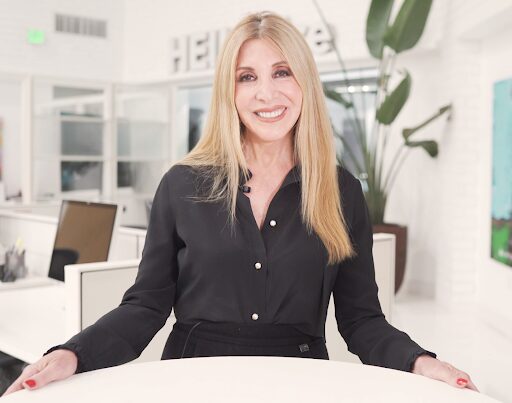
It’s no secret that our world is surrounded by technology 24/7… but is our body paying the price? What is it doing to our bodies? Do you even notice? Technology isn’t the enemy, it’s all in how we use it.
Today Kat & Landon are joined with August Brice, an award-winning investigative journalist, who is passionate about tech wellness. Her own health journey, a sensitivity to electromagnetic radiation discovered 25 years ago, led her to research the subject extensively, and to partner with many of the top EMF experts in the world. She now has 25 years of research + discovery unlocking the key to health + wellness.
TIME STAMPS
3:00 August’s journey with EMF
5:20 What “Tech Wellness” is
6:55 The three main “Tech Toxins”
9:47 What is an EMF
12:50 Physical reactions to EMF sensitivity
13:30 Ways to navigate screens & day-to-day tips
14:90 Analog meteors & landline phones
17:39 Blue Light
19:37 Length of time on devices
22:12 “Digital Diet”
26:26 Wearable EMF blockers – do they work?
30:42 Tips for limiting radiation
31:52 Privacy – the final tech toxin

On today’s episode, Crystal Jung joins us to talk about her journey of healing. Crystal is a health promoter who was chronically ill for seven years with Chronic Lyme and Hashimotos. She spent over 50,000 dollars trying Western Medicine, Holistic Medicine, and state-of-the-art technology to heal her body. Sick of being sick, she began to research healing the Body through reading books, studying science, and learning from others who healed themselves. She ended up healing herself naturally and has been Lyme-free and Hashimoto’s free for four years.
TIME STAMPS
1:20 Crystal’s health journey
4:14 “From wheelchair to biking thanks to diet”
5:16 Crystal’s hard journey with miscarriage
5:50 Treatments for Hashimoto’s & Lyme disease
7:08 Trying Jesus as treatment
7:44 Healing Lyme through water fasting
9:52 Landon’s experience with intermittent fasting
11:52 Crystal’s mental & emotional experience with long term fasting
13:50 “Choosing your hard”
15:12 Landon’s & Crystal’s experience with synthroids
16:00 Tips for getting off synthroid
16:45 Water – does the type matter?
17:44 How Crystal keeps her body healthy
18:35 Health & emotion link
22:58 Supplements
23:46 Supplements are not an every-day thing
24:00 Animal vs. plant-based dieting
27:00 Infrared sauna treatments
29:00 A good place to start with fasting
30:41 Books or podcast for more information
32:04 What’s Crystal’s one tip for living life organically

Dr. Raymond Nichols is the chiropractor and co-owner of AlignLife Pelham Falls alongside his wife, Dr. Mariya Shaeffer, in Greenville SC. His mission is to encourage his patients to unlock the potential of their bodies and vitality through holistic practices. He preaches that the body heals itself, and this is shown through his patient’s results.
Dr. Raymond also is the founder of “The Mobile U”, a platform where he can share corrective exercises for the benefit of his patients and followers alike.
Dr. Raymond carries a spirit of truth and entrepreneurialism, and he has joined the mission of transparency as a healthcare provider to his patients.
TIME STAMPS
1:00 Dr. Ray Nichols intro
3:00 Disease cycling trend in families
4:50 Philosophy of chiropractic care
6:29 Breaking the cycle
10:30 The brain/spinal cord link to digesting food
11:38Thyroid problem & how getting an adjustment in specific places can help
12:38 What chiropractors really do
13:40 The unhealthy dependency in healthcare
16:50 Doing the basic
17:40 Diet & the link to chiropracty
21:35 Key takeaways to start implementing in your life from Dr. Ray
24:20 Valuing sleep
26:50 Free mobility exercises: themobileu
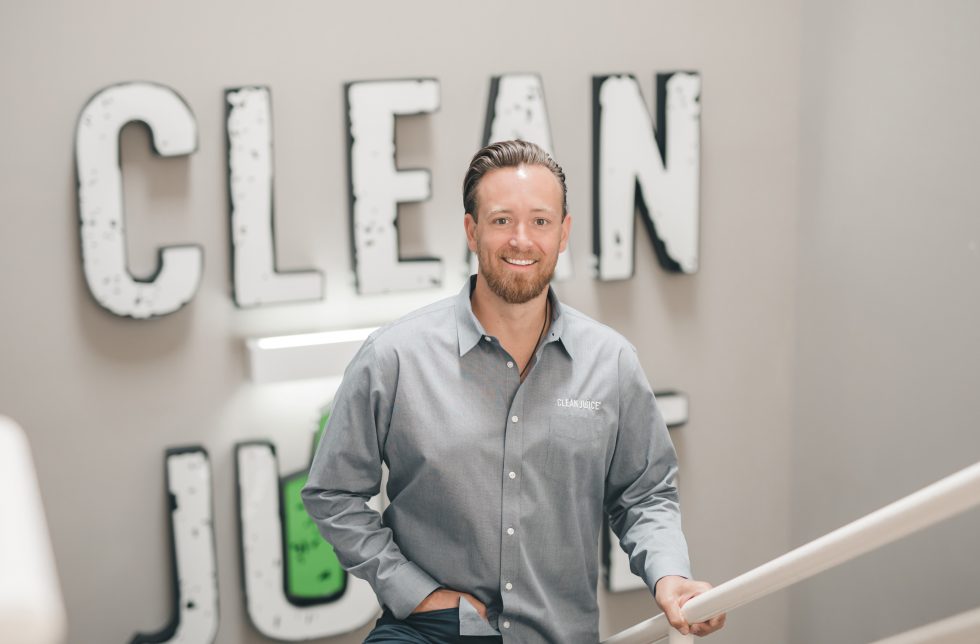
From health experts to the average joe, almost everyone has heard of or has an opinion about intermittent fasting. Learn more about this eating pattern that’s widely embraced by many from the man himself – Landon Eckles. He dives into his experience with intermittent fasting, what works for his body, and the benefits he has seen.
TIME STAMPS
1:34 What intermittent fasting is
1:47 Benefits of intermittent fasting
2:26 The 5:2 approach
3:03 Common ways of fasting
3:44 Landon’s typical eating/fasting schedule
5:30 Landon’s go-to fast breaking meal
7:49 What the fasting state is like
8:29 Landon’s struggle with weight fluctuations
9:12 Watching what you eat in your “feeding window”
11:37 Juicing to enhance your fast
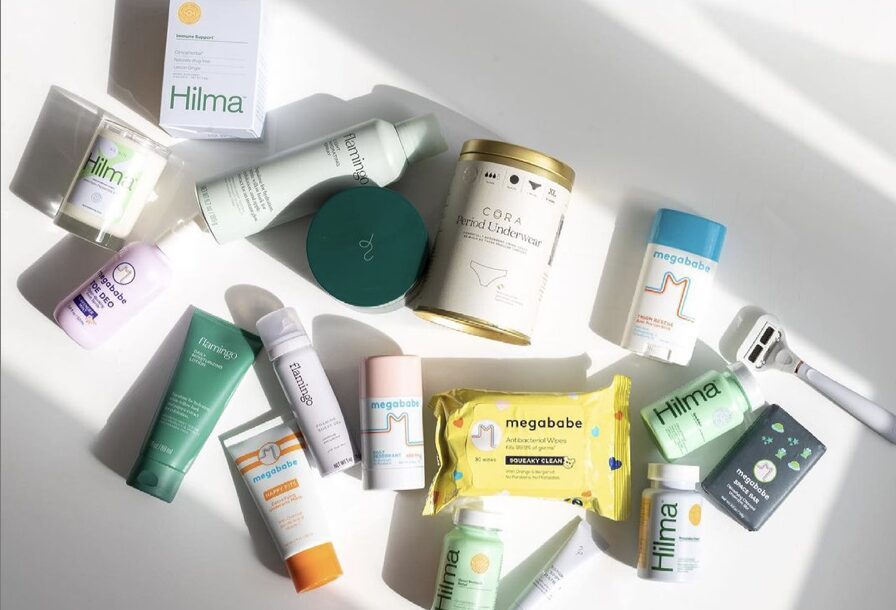
“Our bodies should be revered as opposed to hated in that moment of our period and I know that feels like a strong word but that’s how I used to feel and I know a lot of women felt.”
Did you know? The American woman will use 12000-14000 period products in her lifetime.
In this episode, we sit down with the founders of the company, Cora, who are doing big things in the world of organic feminine care products. We touch on the lack of feminine care worldwide and the threat of synthetic feminine care products to females everywhere. We hope you enjoy this episode as much as we did!
TIME STAMPS:
1:30 Cora Introduction
1:57 The lack of feminine product in Kenya
4:15 Feminine care products+ synthetics
5:43 The poor tampon experience
8:20 Just how much do women use period products?
12:00 Taking the approach of feminine power
13:30 Sustainable period wear
17:00 Why organic cotton?
20:00 Retailers that adopted the concept
22:31 Organic products + sustainability
27:38 International partners for impact
30:12 Impact for girls internationally
34:30 Blood + Milk Editorial Platform