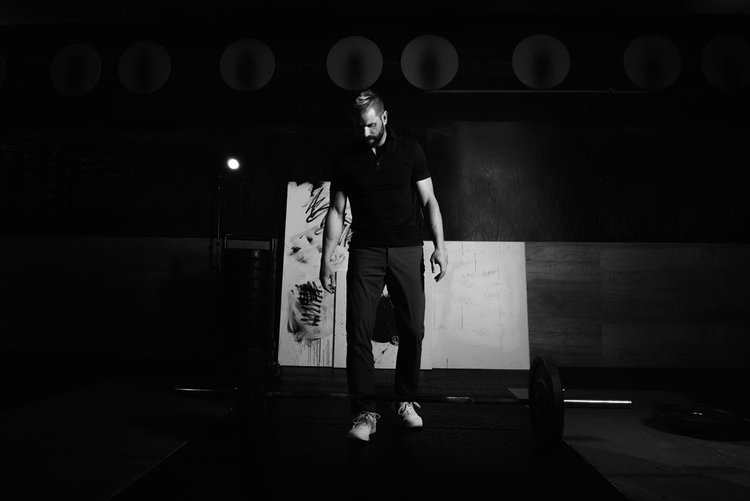
I want fall down, crazy stupid love. I want to be surrounded by activity that is alluring, beguiling, blazing, bursting, epic, frenzied, ravenous and volcanic. I want passion to erupt every day but most of the time i’m afraid to let you know.
I want to lift heavy things and then lift more. I want to impress with feats of skill and strength. I want to do one more of anything than you – while at the same time screaming at you to do one more than me.
I want to wake up even when i’m tired. I want the mirage of failure to be check-mated by the exhilaration of self rescue. I want the tingle of words on my tongue, but the comfort to keep them to myself.
I want to fit in, by standing out.
I want to know that the hardest fifteen minutes of my day are against myself. I want to sweat early and eat often. I want sore muscles and wide awake nerve endings.
I want to ascend higher than I thought i could yesterday. I want yesterday and the path followed to never be thought of. I want tomorrow to be an anticipation of new adventures.

Everyday I want to be a part something.
I sweat for the one next to me.
I want those who see things as i do to pin their ears back and take off toward the finish line with me. I want them to hinge their bets and go all in on their own self. nor hesitation. no regrets.
I want them to pull me up when i slip in the mud. I want them to reach out when the quick sand seems real. I want to be one of many every day.
i want to sweat because others need to sweat.
i want to feel alive now.
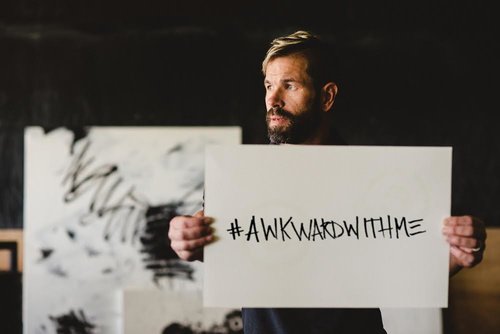
i’m kenT and i’m an artist and, but not the tortured kind.
i make one of a kind paintings, no two are exactly the same. some are large, some are small. some have words, some have none.
i am on a mission to make the walls of your home, office or secret lair as colorfully composed as you are.
@KENTYOUNGSTROM
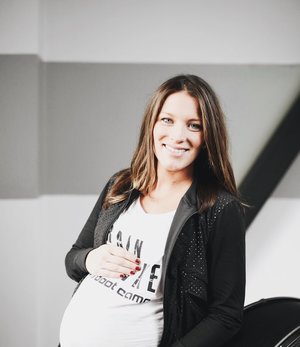
Balancing motherhood with being a business owner is not always the easiest task, but it’s extremely rewarding every day. Luckily I have a few favorite items that help me in those times when life is even busier than usual.
Below I’ve listed my favorite products that help me feel my best!
- Being a mom, wife, and boss, having energy is KEY to my success. For the past 5 years, I have been taking a daily multi-vitamin from Shaklee that gets me through that 3 o’clock lull. Not only does it give me energy, but it’s also kept me from getting sick, which is another huge key to my success.
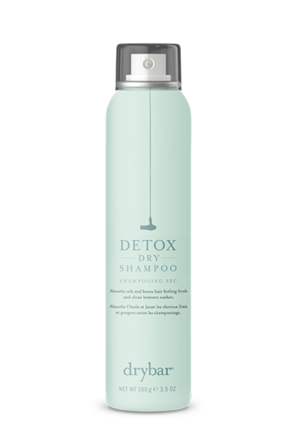
- Who doesn’t love a good dry shampoo? Lets be honest, most days I don’t have the time for a full shower and blowout. My go-to product to keep my hair looking good for work is from DryBar. It smells good and works like a charm!
- Hydration is essential and offers so many benefits including good skin complexion, energy, healthy digestion, and much more! You can always find me with water in my bag, and my favorite water bottle is our Burn Boot Camp Swell Bottle. It keeps my drink cold and saves on all the plastic going into our environment.
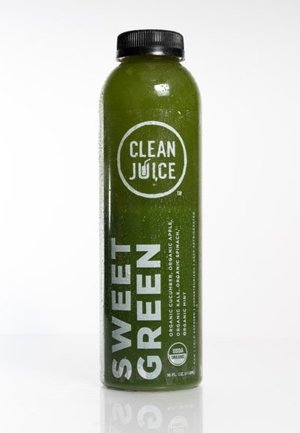
- One of my favorite post-workout drinks is a refreshing juice! My favorite is Clean Juice’s Sweet Green Juice. It’s made with nourishing veggies like kale, spinach, and cucumber, but it’s also great for those green juice beginners! Hints of apple and mint give it a touch of added sweetness.
- When I need a little extra motivation, one of the first things I do is listen to an episode of Oprah’s SuperSoul Conversations podcast! It features all kinds of guest experts, specifically in the health and wellness industries, and I always find that listening to the show makes me feel empowered and uplifted.
- As a mother and a business owner, I often find myself carrying SO much around with me at all times. I always turn to Fawn Design when I need a new bag. Their products are all stylish, functional, and extremely spacious. Whether I’m using it as a diaper bag or an office tote, my Fawn bag always comes in handy!

- I always make time for exercise, so for days when I can’t make it into the gym, I open YouTube and go to our Burn TVchannel! We demonstrate tons of exercises that you can do from the comfort of your home, in addition to recipes and transformation testimonials. It’s also my go-to spot for feeling inspired and energized, and it always makes me ready to work!
- I’m always focused on my family, my health, and my business, so I love to look for great ways to simplify all my other routines. For my daily beauty routine, Shaklee’s Youth Activating BB Cream is my absolute go-to. It evens out my skin tone, gives me my daily dose of SPF, and is completely vegan and cruelty free!
- After a long, busy day, coming home and lighting a relaxing candle really helps me unwind. This aromatherapy candle from Bath and Body Works is my absolute favorite because after lighting it the calming fragrances of lavender and vanilla are wafting through my entire house in no time!
- All of us need some great music to keep us motivated sometimes, right? This portable Sonos speaker is not only incredibly handy to have on hand when you need a mood-boosting pick-me-up, but it’s a Burn
We have all heard it, and there’s a lot of truth behind the idea of “strength in numbers.” This idea, that a group of people is stronger or more influential than one person individually, is especially applicable when talking about achieving your health and fitness goals. It’s no secret that an accountability partner can give you the extra “oomph” of encouragement and motivation when real-life mental obstacles strike – lazy days, blah moods, the need for comfort foods and just the plain business of life with stressful schedules.
When it comes to a fit-focused lifestyle, motivation and accountability are the key factors to maintaining that lifestyle for the long haul. How difficult is it when everyone around you is hanging out on the couch eating junk! This is why an accountability partner is your golden ticket to success. How much better when that partner is your sweetie!
As a couple, we have enjoyed working out together since day one of our friendship. Having common interests in fitness and overall mental and physical health has proven to be a strong foundation in our relationship. For us, exercising together provides an opportunity to create a different level of connection that we believe benefits both our waistline and or love life!
Together, we have put together a list of reasons why your sweetie could be the very best accountability partner for you, too.
1. YOU’RE LESS LIKELY TO SKIP A WORKOUT SINCE THERE’S SOMEONE TO PUSH YOU.
Yup, excuses don’t hold up as easily when your accountability partner sees you napping on the couch.
2. YOU’RE SPENDING GUILTLESS QUALITY TIME TOGETHER.
You’re spending less money on date nights, and they’re negative-calorie dates! You get time together and we have more energy, less tension and stress, and feel happier during the week!
3. IT’S A FUN WAY TO TRY SOMETHING NEW.
Experiencing something new together always helps build relationships. Plus trying something new often leads to fun(ny) memories.
4. YOU HAVE SOMEONE TO ACCOMPLISH GOALS WITH.
It’s always easier to stick to goals if you’re sharing them with someone else, and to see your sweetie crushing goals is super sexy!
5. YOU’LL BE PHYSICALLY HEALTHIER TOGETHER.
Nothing builds confidence quite like feeling good and looking good! Seeing your sweetheart dripping in confidence is also super sexy.
6. KISS BREAKS > WATER BREAKS.
Nothing to explain here!
7. YOU’LL CHALLENGE EACH OTHER WITH A LITTLE FRIENDLY COMPETITION.
We are talking about the playful, flirtatious side of your relationship here. How quickly we lose our flirtatious side once we settle into a relationship. Here’s the perfect chance to capitalize on a little flirtatious challenge and have a little fun!
8. ALL THIS FLIRTING AND PLAYFUL COMPETITION CAN LEAD TO INCREASED HAPPINESS WITH YOUR RELATIONSHIP.
So, there have been actual lab studies which show that after jointly participating in an exciting physical challenge or activity, couples report feeling more satisfied with their relationships and more in love with their partner (Aron, Norman, Aron, & Heyman, 2000). Who doesn’t want lab-proven relationship satisfaction?! Sign us up!!
9. YOU WON’T SWEAT THE SMALL STUFF AS A COUPLE.
Disclaimer: We aren’t saying you’ll never argue, but we all know the emotional benefits of exercise include mental clarity, endorphin release and improved mood. All this means that maybe honey will be a bit more patient! Feeling good mentally and physically as a couple can have huge benefits when it comes to working through conflict.
Let’s finish off with the grand finale.
10. YUP WE SAVED THE BEST FOR LAST! WHO DOESN’T WANT A BETTER SEX LIFE??
As Elle Woods said in Legally Blonde, defending an aerobics instructor who’s on trial for murder: “Exercise gives you endorphins. Endorphins make people happy! Happy people just don’t kill their husbands.” It may sound silly, but she has a point. Feeling happier is a natural byproduct of exercise due to the feel-good chemicals, called endorphins, that exercise helps you release. The release of endorphins also helps ramp up your sex drive, so not only will working out together make you happier, but it will up your desire. Working out also boosts your self-confidence and can help you get in touch with your body: two more things that translate to increased arousal and better sex!
Catch us “kickin’ it” together at our BRAND NEW RockBox University location, coming in December. We are taking this couples workout to the next level.

Be Organic Podcast Season 2, Episode 20 – Heal Your Gut First
The gut is often overlooked by Western medicine so we sat down with Dr. Stephanie Canestraro to open the door about gut health and learn more about this complicated system.
When Dr. Stephanie’s health began to decline early in her chiropractic career, and the allopathic medical system had nothing to offer, she began her journey towards Functional Medicine. Her interest in the human body, combined with her failing health, created a passion for finding the answers to her own health issues, and eventually everyone around her. She has been certified through Functional Medicine University and recently became a member of the prestigious IFMCP (Institute for Functional Medicine Practitioner) group. She continues her own research into Functional Medicine and is dedicated to finding answers to her patients’ issues.
@dr.scanestraro
@vagusclinic
www.healyourgutfirst.com
TIME STAMPS
2:10 Kat’s Journey to Functional Medicine (jump to section)
2:45 Dr. Stephanie’s Journey to Functional Medicine (jump to section)
7:28 Functional Medicine & Its Approach to Symptoms (jump to section)
9:42 Everyone’s Gut Needs to be Taken Care of More Than It Is (jump to section)
10:43 “Stealth Infections” – You Might Not Have Symptoms (jump to section)
11:52 Functional Medicine Testing (jump to section)
15:19 Kat’s Son’s Experience with Testing (jump to section)
17:00 Muscle Testing (jump to section)
18:15 Simple Lifestyle Changes Dr. Stephanie Recommends (jump to section)
21:53 The Vagus Nerve (jump to section)
26:02 Training the Vagus Nerve (jump to section)
33:32 Humming – It Helps! (jump to section)
34:22 Drainage Funnel & How the Body Eliminates Toxins (jump to section)
39:00 Products Recommendations (jump to section)
43:08 Dr. Stephanie’s One Tip for Living Life Organically (jump to section)
Transcription Below
Kat Eckles: Welcome back, Be Organic listeners! Thank you so much for joining us. As always, Landon and I are so grateful that you’ve decided to dive in deeper to the health and wellness field for yourself. We’re so honored that you have decided to pull up this podcast and just listen to what we have to say and more importantly, what our wonderful guest has to say.
I just commend you for doing something for yourself and taking this time to learn more and just be more open to knowledge and how the body works. With that being said, I am so excited to introduce our guest today. Her name is Dr. Stephanie. Here’s a little bit about her.
When Dr. Stephanie’s health began to decline early in her chiropractic career, and the allopathic medical system had nothing to offer, she began her journey towards functional medicine. Her interest in the human body combined with her failing health, created a passion for finding the answers of her own health issues, and eventually everybody else around her. She has been certified through Functional Medicine University and recently became a member of the prestigious IMFCP Institute for Functional Medicine Practitioner Group. She continues her own research into functional medicine and is dedicated to finding answers to her patients’ issues.
Dr. Stephanie follows an integrative approach when treating her patients utilizing a number of techniques. Techniques such as comprehensive functional medicine testing, targeted supplementation and herbs, as well as specialized vagal nerve activation techniques. We are so excited to have her on the podcast today.
So Dr. Stephanie, thank you so much for joining us.
Dr. Stephanie Canestraro: Thanks so much for having me! I’m excited to be on here and just talk to you guys about what we’ve been doing and everything I’ve been through as well.
Kat’s Journey to Functional Medicine
Kat Eckles: Yeah, well a lot of these things I use as well and our journey to functional medicine was probably similar to yours. All of a sudden, what really happened was that our son got sick, and the traditional doctors didn’t know what to do about it. So I had a little bit of background in just organic eating and reading and stuff like that, and I instantly knew we had to go the functional medicine approach.I think that a lot of people’s journey into functional medicine comes from a lack of something in traditional medicine. I would love to hear your background and how you got here and what started this all for you?
Dr. Stephanie’s Journey to Functional Medicine
Dr. Stephanie Canestraro: I came from a very traditional, or, conventional kind of medical background, where I thought Western medicine was kind of the be-all, end-all kind of thing. I feel like a lot of us were raised on this. Even the chiropractic college I went to in Canada is kind of this way – we learned more about pharmacology than we did about supplements.It was near the end of my chiropractic college that my health started failing. I had ebbed and flowed through tons of gastrointestinal issues, skin issues, some anxiety stuff similar to the past, but this is kind of when it all came crashing down.
I explain to people it’s similar to a perfect storm for people, where chronic disease kind of hits and it’s a stressful time. It’s usually around your mid-twenties,, or early-twenties, when you’re in maybe not the best housing, and maybe you’re not taking care of your body as well, and there’s the stress of school.
All of that came together and my health went catapulting down and I was in and out of the hospital with things like pancreatitis. I was 100% bleeding from my bowels. I had stroke-like symptoms even from a chiropractic adjustment when we were practicing on each other and I couldn’t get out of bed for weeks with this dizziness.
No one could pull the pieces together for me or try to help me and guide me in the right direction. No one ever brought together the fact that I had had awful gastrointestinal issues where I wasn’t absorbing any nutrients for years. No one focused on the gut. No one focused on how that can affect your nervous system. And then I was tentatively diagnosed with multiple sclerosis because I had plaques that had formed.
I would wake up and my body would be numb or I had a palsy on my face where my face was drooping.
Kat Eckles: Wow.
Dr. Stephanie Canestraro: It was this generalized ache, muscle fasciculations everywhere, which is when they twitch, and it’s usually a sign of damage to the nerves. It got really scary before anyone took it seriously.
They had no answers for me. It was kind of like, okay, well we found some plaques, but there’s not five. So it’s not MS. And you think to yourself that number is still the same process. They said it’ll either get worse or it’ll get better. If it gets worse, they would turn off my immune system with these lovely drugs.
I had tried their drugs in the past for my stomach and that’s when I just did a whole 360 and found functional medicine through a TED talk on Minding your Mitochondria by Dr. Terry Walz, who was in a tilt recline wheelchair from multiple sclerosis. I started following that.
Slowly people just came into my life and I had some muscle testing done where they make you hold a supplement and they test your arm. It showed I had no stomach acid.
I had suffered for years from acid reflux, severe acid reflux. Everyone kept giving me Tums all the time.
I took all Pepto-Bismol and realized it was actually achlorhydria; I essentially had no stomach acid. One little change of taking betaine and some bitters helped me a little bit. And then down the road I got diagnosed with celiac disease and then worked my way back from there.
It was a big mess.
Kat Eckles: mm-hmm.
Dr. Stephanie Canestraro: …that I kind of went through in order to get to the point where I feel like I can empower people. It wasn’t until recently that I found out I had mold exposure and then I had some co-infections from Lyme, which I either got from my wisdom tooth, cavitation, or bitten by bedbugs around that same time when I got sick, which is pretty gross.
There were a lot of challenges in the health field for myself that got me into being able to empower and help other people…
Functional Medicine & Its Approach to Symptoms
Kat Eckles: I think, to your point in all this – to me, the difference of functional medicine and traditional medicine is you could have gone to a doctor for any one of those symptoms and they wouldn’t have taken all the other ones into consideration.That’s why functional medicine is so great. You’re having all these things that are completely different. You’re having these nerve problems, gut problems and other problems, but it all plays into that our body’s just not functioning correctly.
Once one thing goes, everything else is going to start being affected. I had read a testimonial from someone the other day. Her periods all of a sudden were out of whack and she had gone to a chiropractor and then her OB. Her OB yelled at her for telling her chiropractor that her periods were out of whack because that wasn’t anything that the chiropractor needed to know, but it actually is.
That’s a sign of other things that could have been going on with her body. That’s not necessarily a sign that you need to go see your OB.
For someone that doesn’t understand functional medicine – it’s our bodies. The symptoms they’re showing might have something to do with something that’s not even… for example, your period’s off, but it’s really your guts off or your nervous system’s off.
Our bodies all play together so well, and what the symptoms are going to exhibit is not necessarily what’s going on with that organ.
Dr. Stephanie Canestraro: I totally agree with that and it’s overlooked.
That’s why they break medicine down into specialties. We know just this organ land there’s no real lessons on how they’re all interconnected.
I guess that’s good if you’re doing surgery on that one body part, but you can’t really understand the body without understanding the way everything plays into each other.
The gut is a huge part of that and it’s so overlooked by western medicine that it’s almost embarrassing.
Everyone’s Gut Needs to be Taken Care of More Than It Is
Kat Eckles: What’s funny about the gut is… I almost never say a general statement or that everybody should be doing this certain thing, but most problems either start from the gut or everybody’s gut needs to be taken care of better than it is.If everybody can focus on one thing in their body, it would be the gut. I don’t think we’ve understood how much disease and suffering comes from not taking care of it, and how much goes into tearing it apart.
Dr. Stephanie Canestraro: Exactly.
Kat Eckles: You said the mold exposure. You think you’re breathing it in so you think lungs. You research it and it tells you if you have a cough or a stuffy nose, or if you have certain things, they can cause liver damage. The first thing mold is going to affect is your gut, you know?
It’s educating people that the second you realize something’s off with your gut, that’s a huge red flag and we need to take care of that.
“Stealth Infections” – You Might Not Have Symptoms
Dr. Stephanie Canestraro: I teach people all the time about stealth infections. All that means is some people don’t have any GI symptoms, but then, even through testing the gut or through investigations, they have severe overgrowths or parasites. Then something else that’s more systemic is how we go about treating it.We have to address that part locally too. It’s not like it’s a blanket statement. But it is the way that we’re exposed to the outside world.
It’s a tube running from our mouth to our anus and it’s where it’s still considered the outside of our body, and that’s what lets it in. It has to be healthy. Your gut lining, the bacteria, and the diversity of the different bugs that live in our gut, which is so important.
I think it plays in, even when it’s not very obvious, and that’s what I’ve been finding a lot.
Kat Eckles: Yep.
Functional Medicine Testing
Let’s talk a little bit about functional medicine testing. When someone comes to you, what does it look like to really dive in comprehensively with them?Dr. Stephanie Canestraro:If you look at my website, it looks like we do three tests, but those are our base tests that we like to look at. We don’t do all of them on everyone all the time, but functional tests give us more of an overview and clues of what’s going on. We marry that with the clinical symptoms.
We’re using the organic acid test, which is a simple collection. It’s a urine test. These organic acids tell us a story.
Because some of them are in there and they’re not supposed to be in those high amounts because they’re actually a byproduct of say, candida, or a byproduct of aspergillus, which is a fungi or a mold, or clostridium. We know they’re not human organic acids.
We know that if they’re there in high amounts, we can deduce that you have maybe a small intestinal overgrowth of Clostridium, and that plays into how it affects your brain, because Clostridium toxins can block your degree, the dopamine turning into adrenaline. It gives us all these clues.
If you’re too high in another organic acid, it can mean that you’re low in a vitamin or a nutrient. Whenever we see low nutrients, we’re also looking to the gut for the stool testing that we’re doing because a lot of these nutrients are low, not because we’re not getting them in our diet, although that can definitely be part of it.
It can be that we’re not absorbing them or the bugs in our gut, or parasites, or any overgrowth is actually taking those in before we have a chance to. We look at that side and organic acid gives us lots of information even on liver detox, mitochondrial function to an extent, amino acids and fatty acid and carbohydrate metabolism.
It’s little blind spots that otherwise we may not know. We take all that information and then we take the stool test where we can look more at what’s going on in the large intestine with certain parasites, which can often be missed. When we’re dealing with parasites, we’re going to use a questionnaire or some other specialty testing that is starting to get better and better, but parasites can actually degrade their own DNA, they’re like masters at like evading our immune system and evading us, like finding them. Sometimes you have to be a little bit more intuitive for those kind of things. There’s some things like I mentioned before, like muscle testing or frequency testing.
We do go into some of that, which you guys have done a podcast on that before on the bioresonance testing.
Kat’s Son’s Experience with Testing
Kat Eckles: It’s funny, before I got to a more traditional functional medicine doctor, a true integrative doctor, we went to a naturopath and she only did muscle testing and muscle testing literally saved our son.He would not be with us if we didn’t go that route.
Dr. Stephanie Canestraro: Wow, so powerful.
Kat Eckles: I don’t even know that I’ve told this story on this podcast. I’ll just tell it again and feel free to flip through if I’ve told it, for our listeners, but I’ll never forget… She’s a naturopath and she uses her certain tinctures. Our son was probably 18 months old, maybe even a little younger. She lined up 25 bottles that all looked the same.
They’re these blue tincture bottles and they all had different names on them. She had him keep going. The one that he needed, she, gave him.
She would put it in this line of 25 bottles with his little baby, and he would crawl over. Every single time, no matter where she moved it, he would grab that same bottle. I mean, he probably did it 15 times.
Dr. Stephanie Canestraro: Wow.
Kat Eckles: If I hadn’t witnessed that with my own two eyes, I don’t know if I would’ve been the biggest believer of all time.
She’s like our instinct, we’re born with… God created us with the instincts to know what our body needs to heal it and then we become adults, we become older, and those kind of wires get crossed and we’re listening to the world and we’re listening to all these different things. I swear to God, every single time he would go to this same bottle, no matter wherever she moved it.
It was just the craziest thing that I saw. It’s muscles, it’s frequencies, it’s the babies. Us as humans, we know what we need to heal. There’s this energy, this unforeseen thing that’s there, that our body needs these certain things to heal. I’m a big believer in muscle testing and frequencies and all of that kind of stuff, just because I’ve seen it firsthand.
Muscle Testing
Dr. Stephanie Canestraro: Yeah. Some of the most powerful products that I use are all by companies that utilize muscle testing to come up with their different ratios based on what most people resonate with.It has been obviously a game changer and it’s one of the ways I got into functional medicine – through an applied kinesiologist prescribing me a few things. I saw such big changes that started going down that route more.
I remember when I was in chiropractor college – and they were very westernized – I thought it was quacky. Now, it opens up a whole new world.
I can also speak to people because I can understand when they’re just not in that realm at all. It’s powerful to actually experience it, but now I use muscle testing as well, even on myself, that’s how I dose my own supplements every day. I muscle test myself for what resonates with me for that day, just like your son crawling towards that vial that was resonating with him.
Simple Lifestyle Changes Dr. Stephanie Recommends
Kat Eckles: Exactly.The listeners of this podcast range from not really doing much for their health and they’re just trying to explore, versus someone that’s really in tune. What are some of the lifestyle changes that you could give to our listeners that you start to make when you start to work with someone, or you start to recommend?
Dr. Stephanie Canestraro: Some of the basics that make huge changes are – and I had to make them when I was first getting into this realm – is first thing when you wake up, hydrating your bowels.
Drinking water before you do anything else – before your morning coffee, before whatever it is that you know you have to do – because you wake up those gut bugs and then they’re more ready to take in the nutrients from whatever it is that you put into your body next. I always talk to people about eating organic, especially the Dirty Dozen, because of how glyphosate negatively, which is Roundup – the weed killer or the pesticide that’s all over your vegetables – that actually prefer to kill our good bacteria, and then our bad bacteria actually can still thrive no matter what. The glyphosate doesn’t get at it.
Eating organic, especially the Dirty Dozen, which I send everybody from ewg.org, because it’s different in everyone’s area.
And then focusing on eating whole foods and not these processed carbs, sugars, snack. Not snacking in between meals. There’s certain gut bacteria that need intermittent fasts; times where you’re not eating, which is at least four to five hours between meals. I try to see, if people can, obviously, I know that there’s blood sugar issues, but work up to that, right?
You see what’s the longest I can go without feeling shaky or whatever your symptoms are. I used to have all of those symptoms and I couldn’t fast at all, and now I can do fasts very easily.
There’s certain bugs that thrive when you’re fasting. They feed on your mucosal lining, which they don’t have access to when your body’s busy breaking down food.
Even the act of eating is inflammatory. Giving that break and allowing your body to rest in between meals is super powerful. When you’re eating meals, make sure you’re sitting in a rested state and not rushed or in your sympathetic side of your nervous system, which is fight or flight, which is when you’re thinking a different million things.
When you’re on the go you don’t break down your food as well. It can ferment and almost rot in your gut and cause gas or issues or poison some of the bugs around it.
Those are some of the simple things that I get people to do. Go outside in nature, go for a walk – that forward motion. Just those are the simple basics that can make big, huge changes.
The Vagus Nerve
Kat Eckles: I love that. I’d love to talk a little bit about your clinic. It’s called the Vagus Clinic, and I know you talk a lot about that nerve. Why is that so important to you and how do you think it plays into our overall health?Dr. Stephanie Canestraro: The reason I got so passionate about the vagus nerve is because mine was a complete disaster. I was having anxiety attacks and panic attacks and this sense of impending doom, and that wasn’t part of my personality. I might have been a little bit high strung, but I never suffered with any mental health issues until my twenties when I got pretty sick, and intrusive thoughts and rumination.
I started working with people and working and healing my own gut and then noticed that I was calm. I was able to be calm again and you know, my heart rate regulated, and I didn’t have as much of these intrusive thoughts. That’s when I started learning more and more about the vagus nerve.
I was also working a lot with athletes who had post-concussive issues. I realized when I did stuff for their vagus nerve that I was doing for myself and healed their gut, their concussive issues and their brain inflammation would go down. They would get better and they’d be able to perform again.
The vagus nerve is your cranial nerve 10, which is the longest parasympathetic nerve in the body. Parasympathetic refers to our rest and digest side of our nervous system. That’s when we break down food, blood flows to our organs as opposed to our legs and arms, because when we’re in fight or flight, the body thinks it needs to escape.
You can nourish and break down your food and rest and have your brain calm and all those neurotransmitters, such as GABA and serotonin, are more heightened when you’re in your parasympathetic state.
It also is a direct connection from your brain to your gut and your brain to your heart. It actually plays a role in every organ except the adrenals. But I don’t know, I think that might be wrong as well, but so far, that’s what they say.
80% of information is actually going from your gut to your brain.
If your gut is inflamed, if your immune system is low, or if you have a leaky gut or anything, it takes information and the brain then sends signals to the rest of your organs or mucosal membranes and it changes your whole physiology in multiple organs. I’s a super powerful nerve.
Even when there’s some vagal nerve stimulation where you can stimulate the nerve externally – you can attach something to your ear, it’s called the left tragus of your ear, and stem it. They’ve shown people with different autoimmune diseases and they no longer have their issues.
They see their gut changing. It’s a super healing side of your nervous system and lowers your inflammation. It’s a super powerful nerve. Maybe one of the most important, not that you would ever want to choose, but that’s a little bit about the vagus nerve.
Kat Eckles: That’s amazing. I always love to know when the mainstream has already started to realize some of this stuff. I know there’s plenty of “mainstream doctors” or things that do the connect to your ear and they start to heal it. It’s not this quacky science. It’s this real thing that’s going on with the body.
A lot of this functional stuff we all know is real, but it just hasn’t been accepted mainstream yet. This vagus nerve is one of those things that any good doctor would tell you could be an issue. Is there a way for us to train that vagus nerve or increase the tone that’s going on there?
I know a lot of the nervous system is habits and patterns that create strength in them.
Training the Vagus Nerve
Dr. Stephanie Canestraro: I kind of give people a different list and different options of all the different ways that you can increase or regulate your vagal tone. One of them I came up with because I do acupuncture for part of my manual practice. I’ve done it for about 13 years. There are some points that are called homeostatic control points that are bringing you back to balance because they actually affect the vagus nerve.I was actually having kind of an attack with my stomach before I had really a hundred percent fixed it and I was on an airplane and I sometimes would take acupuncture needles, but I didn’t have them. Then I realized I had a toothpick.
I started using the toothpick and tapping aggressively just so it hurt, not that it pierced the skin. I was able to calm down my bowels because when you’re stressed, your body wants to release everything. I just started playing around with different points that I had learned then for different people. I would actually measure using HeartMath, which is another way that I help people see what their vagus nerve is doing through heart rate variability. It’s a little sensor that you clip on your ear and it will show you if you’re in coherence. When you’re in coherence, that means that your vagus nerve is turned on, or you have good vagal tone.
I would take days where I was feeling stressed or just one of those days, and I would clip it on and I would tap those different points. I would notice I could stay in coherence more than just my thoughts or my breath alone. When you’re using HeartMath, they kind of guide you to focus on your breath.
Breathing is another way to turn on your vagus nerve and increase what’s called your heart rate variability. I started teaching people and to the point where I have people who have had seizures their entire life. They’re adults, around 25. They’ve done so much functional medicine and they’re way better, but they still have them once in a while.
That person can use a toothpick on a vagus nerve, and there’s different points which I show on, on my website and on Instagram, but it was able to stop seizures in their tracks now.
Kat Eckles: Wow.
Dr. Stephanie Canestraro: Which she’s never once been able to do. It actually is really powerful.
I coach people along because you have to find the spot that works best for you. There’s a lot of different spots along your scalp. There’s on your ear because the vagus nerve innervates there. There’s the points where the vagus nerve is most superficial, which is from in behind your ear all the way down the front of your neck following the muscle that’s called your SCM, and then over what’s called, over your sternum, which is that bone right in the middle of your chest.
There’s some points on the leg, on the feet, on the hands, on the arms. You can really find ones that work the best for you and that can be super powerful. Anytime that you’re kind of trailing into those, like fight or flight, it’s easy to have a toothpick on you and tap these areas.
I’ve used it for people with pots to stop them from fainting. It’s really powerful. I’m just learning more and more. You’ve heard of emotional freedom technique, which is…
Kat Eckles: mm-hmm.
Dr. Stephanie Canestraro: …that tapping or EFT.
Kat Eckles: Yep.
Dr. Stephanie Canestraro: It’s kind of the same thought, but when you have that small surface area, that prick and it acts more,you can get more specific. It’s just way more effective.
That’s one way. I kind of mentioned a few. There was the HeartMath, which you control your breathing and that helps.
Humming – It Helps!
There’s gargling, gagging, and humming. Humming is actually really good for good bacteria, and humming is a vibration that bad bacteria and bad viruses don’t really like. Humming actually turns on your vagus nerve, but it actually helps regulate your gut microbiome, which the vagus nerve does as well.Gargling and gagging. Gagging would be when people can’t swallow. Say someone used to be able to swallow pills, but now they can’t swallow pills anymore – that could be a vagal nerve dysfunction.
Kat Eckles: Hmm.
Dr. Stephanie Canestraro: Having someone practice the gag reflex can help strengthen that and then people can start to swallow pills again.
Then there’s cold plunges, which turn on your vagus nerve. They cause your body to release acetylcholine, which is the neurotransmitter of the vagus nerve. It’s extremely calming and anti-inflammatory. If people are having anxiety and the toothpick thing doesn’t work, I tell them go straight into a freezing cold shower.
Kat Eckles: Mm-hmm.
Dr. Stephanie Canestraro: Even as we’re killing off bugs sometimes, people go into a little bit more fight or flight because they’re releasing toxins and we use binders and stuff to lower that and we make sure their kidneys and livers are all draining. Sometimes there’s still those times and that’s a really powerful one as well.
Meditation, breathing, anything where you’re being in the moment, that “now”, anything that brings you back to now, will turn on your vagus nerve.
There’s essential oils. There’s things like bergamot, lavender. There’s different blends that you can do that help. You breathe them in and they turn on your vagus nerve.
There’s 528 Hz, which is tuning forks. You can even go on to YouTube and put in 528 Hz and there’s different hertz that turn on your vagus nerves. Tthat’s sound therapy.
Kat Eckles: Mm-hmm.
Dr. Stephanie Canestraro: Binaural beats, which you have to wear headphones for that and then it kind of changes the tone in each ear that turns on the vagus nerve.
We do a lot of eye exercises to turn on the vagus nerve as well – far gazing. Keeping your head straight, gazing as far as you can to the right for 15 to 30 seconds and then the opposite on the other side. Then some different body movements and organ manipulation, as well as even just hand massages, foot massages, and scalp massages can all turn on in the vagus nerve.
There’s a big list of things that you can choose from and none of them are that hard. Then you can get into the more aggressive vagal nerve activation stuff.
Kat Eckles: I was just, last night, having a hard night and going through whatever and all I wanted was – there’s this one lady in my life and I’ll see her and she’ll take my hair out of my big bun and she’ll just start rubbing my scalp. All I could think about was wanting her to do that.
Dr. Stephanie Canestraro: So calming.
Kat Eckles: My body probably knew my vagus nerve was overreacting and I just wanted that scalp. That works for me.
One other thing I loved you said is you have all these techniques and obviously a lot of those are going to seem overwhelming to most people and they should be done under a licensed practitioner or someone that knows what they’re doing just to make sure you’re getting the best benefit.
But humming, everyone can do that, right? That’s not anything that we need to make a bigger deal than just get in your car and start humming along or when you’re cooking dinner, doing the dishes, just start humming. What a crazy impact that can have on our body and our mental well-being.
There’s just so many little things we can do with our life like that, and I love to highlight those because they aren’t overwhelming. They aren’t a big deal. They’re just these little changes we can make that could have a profound impact on what’s going on with us.
Dr. Stephanie Canestraro: Yeah, a hundred percent.
Drainage Funnel & How the Body Eliminates Toxins
Kat Eckles: I love that.You also mentioned drainage, and I want to talk about that real quick before we wrap up. I know you have an illustration on your website and Instagram that shows that drainage funnel. How can we start to use that and start to learn about how our body eliminates toxins, and how do you start to teach people about that?
Dr. Stephanie Canestraro: The drainage funnel, if you see it, the bottom is your colon, right? That’s where essentially all of your toxins exit you or one of the major ways, right? Then above that is the liver, pancreas, gallbladder, and then above that is your lymphatic system, and then above that is your organs. Above that is your actual cells.
Every single thing of those has to detox, right? If your cells are detoxing, but you’re not pooping anything out, or your liver’s not being able to process it, then where do those toxins go? They end up in your body, in your bloodstream. Your body’s, like, trying to push them out of the bloodstream into your tissues and then you get pain…
Kat Eckles: mm-hmm.
Dr. Stephanie Canestraro: …and tightness, right? Or skin lesions, right? You detox through your skin.
If someone’s got acne or lots of skin issues, that’s your body being backed up somewhere and your body’s just trying to deposit anything it can to get it out of your actual bloodstream and out of the cells so that you can stay alive.
We support drainage lot, making sure number one, that people are pooping every day. That’s super important, especially if you’re going to go and try and kill bad bugs or parasites, or any detox of any type, even if you’re doing a liver detox but you’re not pooping.
We’ll do anything and everything to have people pooping when they are going through detox, but if you’re not pooping every day, then you’ve gotta get that sorted. There’s big root causes for that, such as small intestinal parasites and different bacteria and I could go into all of that, but it would be long drawn out.
We’ll just use things that help move your bowel. We’ll do vagus nerve stuff. Fasting. The reason I said fasting in between meals is because fasting turns on your vagus nerve as well. It needs about four hours between meals for this migrating motor complex, which is the downward movement of your bowel.
Not eating all the time can make you… If you’re snacking all throughout the day, you’re less likely to have a bowel movement. Even if you have to use magnesium or something that softens the stool to get it out, we are just very, very keen on having you empty your bowels.
It’s just not acceptable for us to have stagnant bowels for our overall health.
Kat Eckles: Mm-hmm.
Dr. Stephanie Canestraro: We use different herbs for the liver to help it drain and clear out even. Pathogens love the liver because the liver is cleaning out toxins a lot of the time and a lot of these bad bugs – and there’s things like liver flus or parasites that are attracted to that toxicity. It’s the whole terrain theory. Your body has to be moving, draining out those toxins, and then pooping them out so that you don’t also get infections in your liver.
Your liver is a highly attractive place for these bugs to live and thrive.
Kat Eckles: Health and wellness is focused on detoxing and pushing products that help to detox and promote it, which is great, but if those channels aren’t open to detox correctly, it’s just going to get reabsorbed in the body and maybe even make you sicker.
A lot of education’s done around that, but probably not enough on the indicators that our bodies are draining correctly. That’s really, really important to highlight.
Dr. Stephanie Canestraro: Another clue for your stagnation is chronic sinus issues. Stagnation in your nose and your snot being thicker and not coming out is an indication of liver drainage.
You want to get things flowing because things should be exiting. We also focus a lot on people getting nasal passages moving, especially if they have any sinus issues. That’s another little clue. Stuff showing up on your skin and then all of the other swelling in your feet or swelling in your body even when you’re sitting on a stool or something like that.
There’s a lot of clues, such as darkness around your eyes, cellulite. There’s a lot of different things that show not the greatest drainage. You can take its clues and work your way through it.
Products Recommendations
Kat Eckles: Absolutely. Are there any products that you recommend, just kind of as a general thing that you believe have helped your patients or yourself in your personal journey?Dr. Stephanie Canestraro: I can’t talk enough about humic and fulvic acids, so binders.
There’s different binders that bind different things. When I talk about binders, I’m not talking about activated charcoal. People know about binders because if someone has alcohol poisoning, they pump your stomach with charcoal.
That acts like a sponge in your gut and it absorbs there and then you pass it through. There’s more specialized binders, which are these different carbons, or the company that I’m referring to calls them carbon technology. They’re more energized carbons and they’re all different sizes. They can actually get into your bloodstream, into the cellular level, and bind onto heavy metals or toxins that are even down to the mitochondrial level.
Mitochondria are the powerhouse of every cell. They’re a little cell within our cells. There’s different shapes of these different carbons that will bind to different things. Some will bind to viruses, some will bind better to toxins that are biological toxins, either our own toxins that our body makes from our own metabolism, such as our own waste products, waste products of different bugs, or spores from mold. The more specific we can get about what’s in your body, bogging it down, then the better we can get specific with a binder. In our toxic world, everyone should be on some sort of binder.
There’s other binders that people talk about, such as chlorella. There’s pharmaceutical binders, cholestyramine, which I would never use. There’s this need for these binders and as our world becomes more toxic and we get exposed to more chemicals than ever before, and our food’s not as clean. The list goes on.
Those are super powerful and important, and you can use them in all different ways, such as flushing your nose.
I’ve used binders to pack on to different stings and it sucks out the venom. I’ve used them as deodorant, or baths, sitz baths, where you can absorb toxins.
That’s one that I absolutely love. The same company makes an oxygen product, which is the only one of the stabilized liquid oxygens that you can take. There’s multiple uses for that. I’ve seen it heal big burns on people within days.
It stings and takes the pain away right away, but then you take it internally. It kills bad bugs. All of your tissue needs oxygen and there’s so many reasons why we have lower oxygen and that causes a buildup of metabolic waste. That’s another one of my favorites. I could go on and on because it’s just getting better and better than what we have to actually help people in this functional world.
Kat Eckles: That’s so good. Awesome. That was so much great information. I love your practical tips, as well as the deeper stuff that you got to share about making the gut healthy and making that vagus nerve healthier. I think this is a great hour of information that people could unpack again and again.
We like to sign off by asking what is your one tip for living life organically?
Dr. Stephanie’s One Tip for Living Life Organically
Dr. Stephanie Canestraro: I saw this one. To live your life organically, you find what you align with and you always stick to that, to what your true calling is in life and who you really are. You don’t shrink down to make other people feel big.You have to be your whole large self and give to the world what you came here for. Then you just attract all of the organic beauty of the world. That’s how I would interpret that.
Kat Eckles: I love that. Awesome. Tell our listeners where they can find you – your website and your Instagram.
Dr. Stephanie Canestraro: My website is healyourgutfirst.com. It’ll come up as “The Vagus Clinic.” That’s the name of our mostly virtual clinic when it comes to the functional medicine side. We have a mobile, functional chiropractic therapy that we offer as well because marrying those two together are super powerful.
My Instagram is Dr. S Canestraro . I need to change that.
It’s my first initial, my last name. That’s my Instagram. We have @vagusclinic for our Instagram as well.
Kat Eckles: Awesome.
Dr. Stephanie Canestraro: That’s where you can find us.
Kat Eckles: Awesome.
Dr. Stephanie Canestraro: We do a 10 minute discovery call so we can explain how we can help people out in their specific situations.
Kat Eckles: That’s awesome. I love the highlight that you said you’re a virtual clinic. Anyone from anywhere could see you if they’re interested or resonate with what you’re saying.
Dr. Stephanie Canestraro: 100%. It’s been amazing being able to ship these test kits, the muscle testing and resonance testing. It’s getting easier and easier to help people, which is amazing.
Kat Eckles: That’s awesome.
Dr. Stephanie Canestraro: Thanks so much.
Kat Eckles: Awesome Stephanie. Well thank you so much for joining us today. I feel honored that we got to have this conversation and I know I follow you on Instagram, so I’ll get to keep up with what you’re teaching. Your knowledge is always evolving, so I appreciate that and I appreciate all you do and what you put into learning about this stuff.
I just wish you well and blessings. Thank you.
Dr. Stephanie Canestraro: You too. Thank you so much. Ditto for everything you’re doing to get all this information out to people.
Kat Eckles: Awesome. Well, have a great day and again, thanks so much for joining us. I’m sure you know, we’d love to have you back soon. I’m sure our listeners are really going to love what you had to share, so…
Dr. Stephanie Canestraro: Yeah, I would love to come back and can talk to you guys.
Kat Eckles: Awesome. Thank you.
Dr. Stephanie Canestraro: Okay, thanks so much.
Kat Eckles: Thank you so much for tuning in today to be organic. We’re so excited for you to become healthier in body and stronger in spirit.
Landon Eckles: If you like what you heard today, please be sure to subscribe on Apple Podcast to never miss an episode.
Kat Eckles: We’d love to connect with you over on Clean Juice’s Instagram. Give us a follow, slide into our dms with any suggestions for guests or topics that you might wanna hear more about.
Landon Eckles: All right, y’all, thanks for listening. Have a great week and remember to be organic.
Kat Eckles: Just a quick legal disclaimer: we are not doctors. While we absolutely love discussing wellness nutrition with our expert guests, you should always talk to your physician or other medical professional before making any dietary or lifestyle changes. They can assess your specific needs and come up with a plan that works best for you.
In addition, this is for educational purposes only. Clean juice franchises are only offered by delivery of a franchise disclosure document in compliance with various state and federal laws.

Stop and think for a second about what nutritional value a bowl of highly processed, sugar filled breakfast cereal provides for body as you fuel up for the day… not much. The majority of cereals, although marketed as “a complete breakfast”, are simply a bowl of sugar, dyes and preservatives offering little to no nutritional value.
#1 MUESLI
Muesli is the German’s twist on cereal. Typically a mix of oats, dried fruit, nuts & seeds offering a supply of complex carbohydrates and healthy fats to help you start your morning off with some energy! Enjoy with milk, almond milk, coconut milk, Greek yogurt, coconut yogurt or just dry!
My personal favorite is the Trader Joe’s Muesli with only 3g of sugar per serving.
#2 RICE PUFFS
These rice puffs might not perfectly replace your delicious Cheerios or Fruit Loops, but your body will definitely be more appreciative of your choice. The brown rice will break down slowly in your body keeping you full throughout the morning.
Enjoy with your choice of nut milk, coconut flakes and/or berries for extra flavor! If you have a sweet tooth, include a packet of stevia for fun. They are cheapest when you buy in bulk on Amazon- $25.42 for 12 6oz bags!
#3 OVERNIGHT OATS
Overnight oats are the perfect solution for the busy professionals who don’t have time to make breakfast in the morning. As the title hints, you can make them the night before, let them sit in the refrigerator overnight and then enjoy them on the go in the morning.
You can tailor your overnight oats to your palate, but the base is:
- ½ cup of instant oats
- ½ cup unsweetened nut milk
- 1 TBSP chia seeds
- 1 TBSP nut butter
- Optional: chia seeds, protein powder, ground flax seeds, honey, berries, raisins, banana slices etc.
#4 PROTEIN YOGURT
This is another great solution if you constantly find yourself running out of time for breakfast! It is packed full of protein and healthy carbs to give you an energy boost for your morning.
All you have to do is mix plain Greek yogurt, ½ a scoop of vanilla or chocolate protein and ½ cup of your choice of berries. For extra flavor add cinnamon or chopped nuts.
#5 APPLE ALMOND OATMEAL
Apple almond oatmeal is just a delicious, healthy spin off of the sugar-filled apple cinnamon pre-packaged oatmeal.
The recipe is simple, just mix 1 serving of cooked instant oats with ½ scoop of vanilla protein, ½ apple finely chopped, 1 TBSP sliced almonds & 1 tsp cinnamon and ENJOY!
Author Michelle Mudge is a Senior VP at Tops Fitness Management and is a nutrition coach.

My father and father-in-law are both retired. After years of serving others as educators, they each came to the realization that we must cater to our own needs.
Each of them has told me, separately, that they now reserve two hours of each day for self-care. As a working mother and wife of someone who travels significantly, my initial response was to consider that a luxury of time that I could not afford. In fact, there was even a part of me that felt taking two hours a day of me-time was good for them, but would be selfish of me.
Then I visited my sister-in-law. No matter what was going on in the day, she would find a way to get her workout in. I would hear her say: “Sure I can do that, just gotta work out first” or “I’ll meet you guys, after my workout.” As someone who would put almost anything ahead of working out – especially a family obligation – my mind was blown. Not blown in a “I can’t believe she would do that” kind of way, but blown in a “I wish I had that kind of commitment to myself” kind of way. But, as I continue to think about it, she isn’t the only one.
Let’s consider my friend Yvette. Yvette is 51 and looks 27. She has a fit physique and her hair ALWAYS looks amazing. I distinctly recall trying to schedule a meet-up with her years ago and hearing her say something like: well I can’t do it at this time or that time, because I’ll be in my workout; and I can’t do it at that time because I’m getting my hair done. And again, I’m not reflecting with judgment, but rather admiration. It’s like, duh: you want a fit body and great hair? Keep your workout and hair appointments!
But I know there are so many women like me: sacrificing their self-care, for what we convince ourselves are more pressing matters. Until one day we look in the mirror and we wonder where our vitality has gone. That was me, 43, feeling 53, with no one to blame but myself.
So in January, I decided enough was enough. I committed to working out. I found a hairstyle that supported my working out (#blackgirlprobs). I used my Apple watch to make sure I got in 12,000 steps per day – even if it meant going up and down the stairs in my house at the end of the day to get to it. And in five months, I felt so much better. I lost 30 pounds and was feeling like a much-improved version of myself. I even started running. Each and every trip I went on included my running shoes and workout clothes. I had not met my goal weight, but I felt great and even wore a two-piece on an actual public beach.
I wish I could tell you there was a happy ending – that I kept up this commitment to myself and made it to my goal. But honestly, I lost my way sometime mid-summer. I stopped charging my watch and had more and more days going by without lacing up my running shoes. Until one day I took a long hard look in the mirror and felt that renewed self slipping away.
I realize I was able to commitment before because I had specific goals – events I wanted to look good for: Europe in March and my best friend’s grand party in July. I created a false sense of a finish line. But those events were not really the finish-line. I should’ve considered those events as mile-markers and, once I arrived there, established new ones. Hindsight is always twenty-twenty, as they say.
While I have regained some of the weight, it is not all back. So I am ready to start anew. I have recharged the watch, dusted off the running shoes, and am looking ahead to the next mile-marker and the one after that, and the one after that…
HERE ARE A FEW TIPS THAT HELPED (AND WILL HELP) ME ALONG THE WAY:
- Track your steps—set a daily goal of 12,000.
- Weigh yourself daily. I gained weight because I wasn’t paying attention.
- Set mini-goals. Think ahead to an event a few months away and set that as a mile-marker. When you reach it, set another. Keep going.
- Find an accountability partner, someone to cheer you on and remind you why you started.
and finally…
5.Reserve 2 hours for self-care daily…we’re worth it
——
Deena Knight is an Interior Designer based in Charlotte, NC who loves sharing design, style, and life on her Instagram. To view her portfolio, you can visit her website here.
We constantly hear that fitness is a lifestyle. That everyone can find time in the day to get to the gym. We’re almost shamed into believing that if we can’t find the time, then we’re not making ourselves a priority. Being honest, that was totally me. I always felt like if I wasn’t in the gym then I was moving backwards from my fitness goals.
Fitness was not only a lifestyle for me, but part of my identity.
In late August I got news that I would be having unexpected surgery and would sideline me from working out for 4-6 weeks. Of course my immediate -and very irrational- thought was I’d lose everything I had worked for the last few years, I’d gain all of my pregnancy weight back overnight, and my life would be ruined. Maybe this was a bit over-the-top, but, nonetheless, I had major concerns over how this hiatus would play out.
This time away from the gym came unexpectedly, but gave me the chance to sit back and reflect. In a lot of ways this injury forced me to face a big fear I didn’t even know I had: Who am I without the fitness that defines me?
As I’ve arrived safely on the other side, I want to share some things I learned along the way:
Appreciate the change of pace. Being limited in what I could do physically really took a mental toll on me. Even though I had to refrain from the high intensity workouts and weight lifting that usually keep me busy, I found other ways to keep moving. I walked – a lot – like, Silver-Sneakers-Rookie-of-the-Year a lot. I used to brush off walking as a workout, but, let me tell you, it kept me sane and kept me moving. I even began to enjoy it. Walking also gave me time to reflect on this season in my life and appreciate my surroundings more.
Pay attention to the cues your body gives. I found within the first week that my hunger levels changed. Without my high intensity workouts and heavy weight lifting, the needs of my body were different. I used this opportunity to focus on how I was fueling my body. Normally, I focus on “feeding my muscles”; but without the high intensity workouts, my caloric need reduced. I began exploring more plant based options, and I started paying more attention to the micronutrients in my foods. I have since continued with “Meatless Monday” and I love the challenge and satisfaction I get from these plant based meals.
Life and fitness can be found outside of the gym. As walking became part of my daily workout, I started to involve my kids. Anywhere we could walk and not drive, we did. We would walk to the park; they would ride bikes while I walked. We just moved. Everyday we moved. It was quality time together and we were all moving – exercising – for at least 30-60 minutes a day. Even though I am back in the gym, I still make it a priority to get out and move with my kids. They love it as much as I do.
I think for years I used fitness as a shield because it is so much a part of what I do. Now, I feel so much stronger knowing that it didn’t cripple me to step away. Let me tell you, this realization gives me a lot of freedom.
For someone devoted to fitness, a break in the action can be devastating. So, here’s my take away: You can do hard things, but, sometimes the hardest thing can look like doing nothing (wink).
Maybe these are simple lessons, but it was hard-learned. And, I feel like I’m coming back stronger than I was before. I am so grateful for the incredible things my body can do and I look forward to honoring it for years to come.
Immunity. About 80% of our immunity is in our gut. Essentially, if we are feeding our gut with unhealthy foods that bad bacteria live off of (refined, white sugar), those bugs are likely to destroy the good bacteria in our gut; thus, negatively taking over our immune system. Have you ever felt over-stressed, started eating junk and had trouble sleeping? Then, the second your stress-levels start to decrease and you begin to feel normal again, BOOM you’re sick. Stress, diet and sleep each play a role in gut health and immunity.
There is no magic pill to avoid the flu. But during flu season you can take some extra precautions.
Easy tips for avoiding the flu this season:
- Sneeze into your arm.
- Wash your hands for at least twenty seconds with warm water, turning the faucet off and opening the door with a paper towel.
- Clean your phone and desk area regularly.
- Use a mask when flying, take Airborne, and sanitize the tray table.
- Keep your hands out of your nose, eyes and mouth to prevent germs from getting into the mucosal lining.
Antibiotics. Before I go more in depth about lifestyle flu prevention methods, I want to talk about antibiotics. Did you know that one round of antibiotics can decrease the diversity of intestinal microbiota for at least one month? If you work hard to keep the healthy gut bugs in our stomach or have an autoimmune diseases, food intolerances, IBS, etc., it is extremely disheartening to know that the healthy bacteria that play such an important role in our body can be so easily destroyed. Before accepting antibiotics, ask if it is 100% necessary. Stand up for your gut!
Natural-lifestyle flu prevention tips
1. FOOD
- Avoid the white stuff (refined sugar, dairy), as these all limit gut microbiota health and can’t provoke immune response in the gut.
- 75% of each meal should be plant based (fruits, vegetables, legumes /or lentils).
- Take or eat vitamin C before you start to feel sick (if you have an iron deficiency, it’s great to pair vitamin C with iron dense foods -meat, beans, lentils, green leafy vegetables, cashews & baked potatoes -to increase iron absorption & increase energy levels).
2. PROBIOTICS & PREBIOTICS
- Probiotics modulate the immune system and enforce a protective barrier in the gut with microbial metabolites; this plays an important role in flu protection.
- Prebiotics are the food sources that feed the probiotics in our gut and are mainly found in fermented foods: kombucha, kefir, miso, “live” yogurt, sauerkraut, kimchi, onions, raw jicama, leeks and garlic.
3. HERBS
- Cook with fresh ginger, garlic, onions and turmeric that have anti-inflammatory, anti-viral and immune supportive properties.
- Homemade chicken noodle soup is a great flu prevention tip. Add all the herbs listed above, multiple vegetables, and bone broth or homemade vegetable stock for a powerful natural defender.
- Eat as many species as you can daily (herbs, tea, spices, deep pigments, smoothies, fish, prebiotics) to create a diverse microbiome. Diversity introduces all the different types of healthy and happy bacteria.
- Drink herbal teas daily. Different types make up different antimicrobial, anti-inflammatory and antibacterial properties and are full of phytochemicals.
4. SLEEP & STRESS
- Sleep at least 7-8 hours each night, with children needing more than that.
- Our bodies are super resilient and can regenerate, repair and heal; however, we need that downtime or we can lose our ability to bounce back over time.
5. AVOID ALCOHOL
- Alcohol is a gut irritant that impairs the function of the immune system.
6. VITAMINS
- Vitamin D, C, E, A, Selenium and Zinc are essential for immune health.
7. AVOID ANTIBACTERIAL SOAPS, SANITIZERS AND BLEACH.
- Most household cleaning products are endocrine, respiratory and cardiovascular disruptors. The antimicrobial and antibacterial products are over-sanitizing our systems and destroying all the good bacteria throughout our body. I use Dr. Bronner’s and you can add water and essential oils to a foam pump and make your own homemade hand soap. Children who are exposed to and wear bleach have been noted to have more infections with a higher risk of getting the flu. You’re not really doing yourself any favors by killing off bacteria, especially as children are building their immunity for the rest of their lives…”let them eat dirt!”
8. USE A HUMIDIFIER WITH CARE.
- Humidifiers are great to purify the area and help stimulate better breathing; however, be careful as they have high mold content with high humidity, which is where bad bacteria and viruses love to live. Be sure to keep it clean!
It has been my experience that practicing good gut health and following a flu-preventative lifestyle can keep you flu free! Start implementing these tips now to enjoy a healthy flu season.

When it comes to “me time,” many of us are missing the boat. Some of the most beneficial self-care activities are simple, but they tend to fall by the wayside in our busy, on-the-run lives. With a few smart strategies, you can incorporate self-care methods into your daily life and reap important benefits.
Keeping it real. Lots of people are mistaken about self-care. As NBC News points out, self-care is more than pampering and moments of luxury sprinkled into our lives. It’s simple, basic maintenance that keeps us running soundly and smoothly and prevents our breaking down and burning out.
Feed your soul. You’re probably familiar with the old expression “you are what you eat,” but did you know food can actually affect your outlook on life? In fact, it appears that without certain nutritional elements your mental health can suffer. Too little magnesium seems to cause depression and anxiety. Without sufficient omega-3 fatty acids, we can drop into a low mood; experience reduced comprehension and lowered cognitive performance. Vitamin B and zinc seem to help treat anxiety and depression, and probiotics also appear to reduce symptoms of anxiety and depression.
Evidence is so strong there is a movement to use nutritional therapy to treat certain mental health conditions. For best results, you should aim for a variety of good food to prevent boredom and increase the likelihood you’ll maintain healthy eating habits. A fresh food delivery service can help maintain portion control and keep healthy eating convenient and interesting.
Sleep off stress. Too often we discount the value of sleep. Unfortunately, we tend to think of the time we spend snoozing as time “wasted,” but sleep is actually necessary for our mental and physical health. As some experts note, reduced stress, improved creativity, a more positive outlook and improved memory are just a few potential benefits of sleep. Getting enough slumber appears to even help you maintain a healthier weight. If you struggle with insomnia, make it a point to set a bedtime and time to get up every day to help your body get into a rhythm. You should also try to keep your bedroom comfortable for sleeping.
Work it out. Most people are well aware that fitness is important to physical health. However, did you realize exercising can be a key to good mental health as well? Working out can improve your self-confidence, boost your mood, lower stress levels, alleviate anxiety, enhance your memory, and even fight cognitive decline. If you’re new to exercising, Mayo Clinic suggests beginning your fitness program with clear, realistic goals, avoid overdoing it and set a schedule right from the start. Mix things up with activities you enjoy so you look forward to your workout and consider getting a few pieces of home gym equipment for days when weather is bad or time is tight.
Downtime. Taking time out to relax is another badly neglected area of self-care. Make it a point to tend to the needs of your inner self, whether it’s reading a book, crafting or writing in a journal. Enjoying downtime, creativity, and self-introspection can be especially helpful to your mental well-being. For instance, making notes about your thoughts and experiences can help you process what you are feeling, and you can also go back and review your observations for further insights later.
It’s vital to tend your mental and emotional well-being, but many of us neglect some of the simplest of these self-care practices. Eat a nutritious diet, get enough sleep, engage in physical activity and relish your downtime. Self-care doesn’t need to be complex, but it needs to be part of your lifestyle for good overall health.
—
About the Author: Brad Krause graduated from college in 2010 and went straight to the corporate world at the headquarters of a popular retail company. But what started as a dream job soured quickly. After four years of working 15-hour days and neglecting his health, he decided enough was enough. Through aiding a friend during a tough time, Brad discovered his real calling-helping people implement self-care practices that improve their overall well being. He created SelfCaring.info to share his own knowledge and the many great resources he finds on his self-care journey.